There is something wonderfully thrilling about sitting at a sushi counter without knowing exactly what will arrive next. One moment, the chef is brushing sauce over glistening nigiri; the next, a tiny bowl of seasonal seafood appears before you, almost too pretty to disturb.
That little sense of anticipation is at the heart of omakase in Singapore. Once associated mostly with serious Japanese fine dining and special occasions, omakase has become far more approachable, with everything from affordable weekday lunches to elaborate Michelin-recognised dinners now available across the city.
What Is Japanese Omakase?
Omakase comes from the Japanese expression meaning, essentially, “I leave it up to you.” Instead of choosing individual dishes, diners place their trust in the chef, who decides what to serve according to the freshest seasonal ingredients, their own specialties and the natural rhythm of the meal.
A proper omakase is therefore more than a fixed tasting menu with a Japanese name. The chef curates the progression, often adjusting portions, preparations or ingredients around what is at its best.
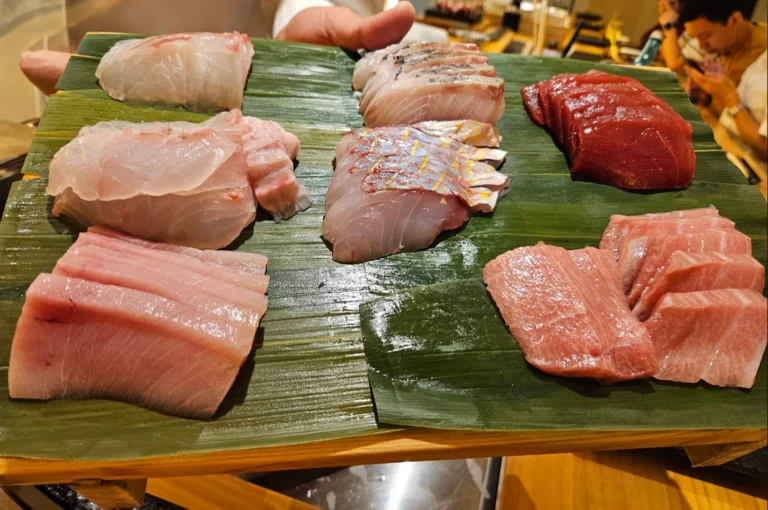
In traditional Japanese cuisine, seasonality matters enormously. A piece of fatty tuna may appear beside delicate white fish in one season, while another visit brings different shellfish or seasonal sashimi entirely. This means an omakase experience can change even when you return to the same restaurant.
How Omakase Dining Became Part of Singapore’s Food Scene
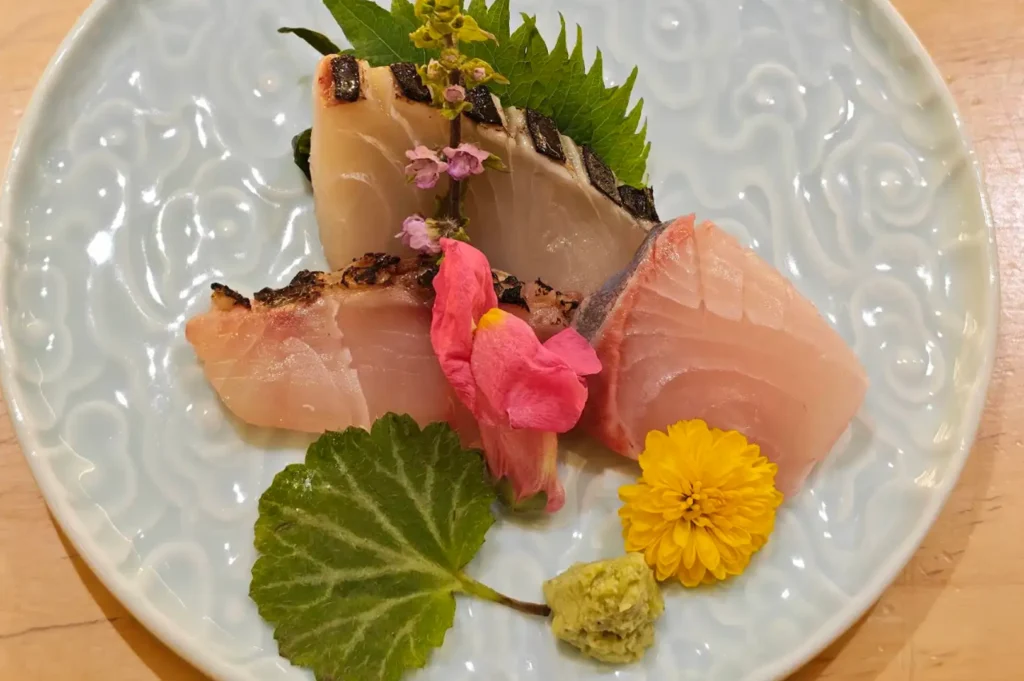
Singapore’s long relationship with Japanese dining created fertile ground for omakase. Over time, dedicated sushi restaurants brought the intimate Japanese counter experience closer to what diners might encounter in Tokyo: just a handful of guests, a chef working centre stage and seafood brought regularly from Japan.
The Michelin Guide has also helped shine a brighter light on Singapore’s omakase scene. Its Singapore selections have recognised specialist sushi restaurants and chef-led concepts; in the 2025 selection, Sushi Sakuta was promoted to two Michelin stars while Omakase @ Stevens received its first star.
Today, the category stretches much further. Diners can indulge in highly traditional counters, contemporary menus, value-led lunches and even a new concept that borrows Japanese techniques while adding a chef’s own personality.
What to Expect From an Omakase Menu
No two menus are identical, and that is rather the point.
A sushi-focused omakase menu might move through:
- Appetisers – small seasonal bites that wake up the palate.
- Sashimi – pristine fish or premium seafood served simply.
- Cooked dishes – perhaps grilled fish, steamed seafood or a warm seasonal dish.
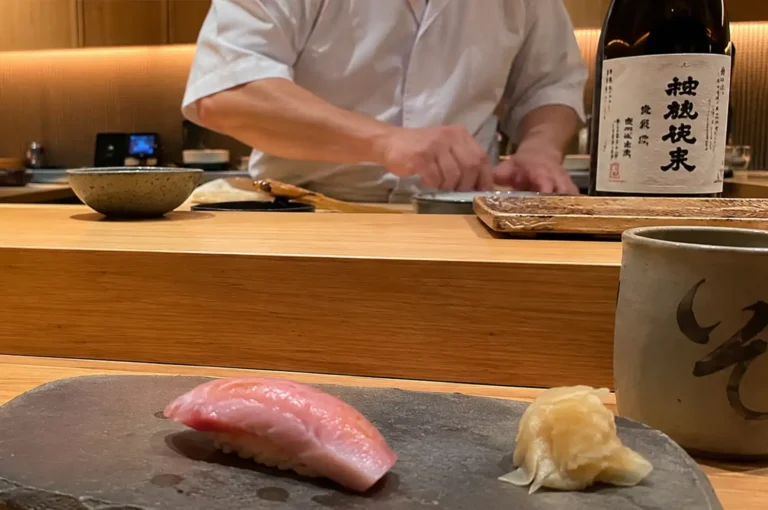
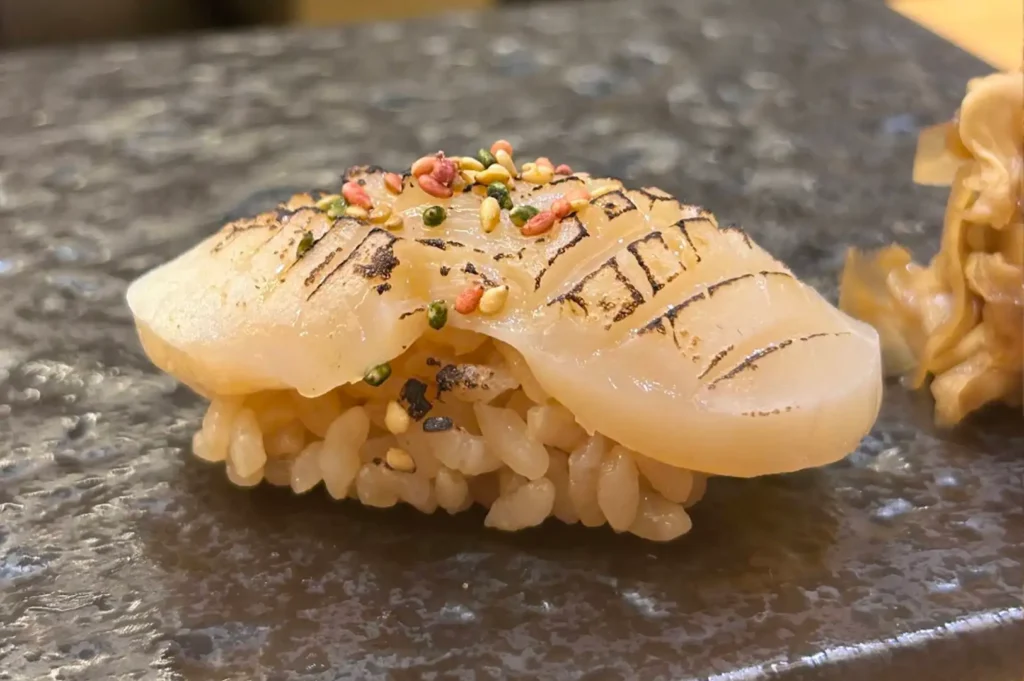
- Nigiri – fish paired with carefully seasoned rice, usually served piece by piece.
- Soup or hand roll – something warming or comforting as the meal slows.
- Tamago or dessert – a gentle finish to the omakase course.
Other restaurants take a broader approach. Sushi Muni, for example, currently lists seasonal appetisers, two types of seasonal sashimi, a toro dish, a seasonal cooked dish, wagyu, sushi, soup and seasonal dessert within its menus.
Think of it as a seasonal tasting menu based on availability, craftsmanship and the chef’s point of view, not a checklist every restaurant must follow.
Lunch Omakase Menu: The Easiest Way to Start
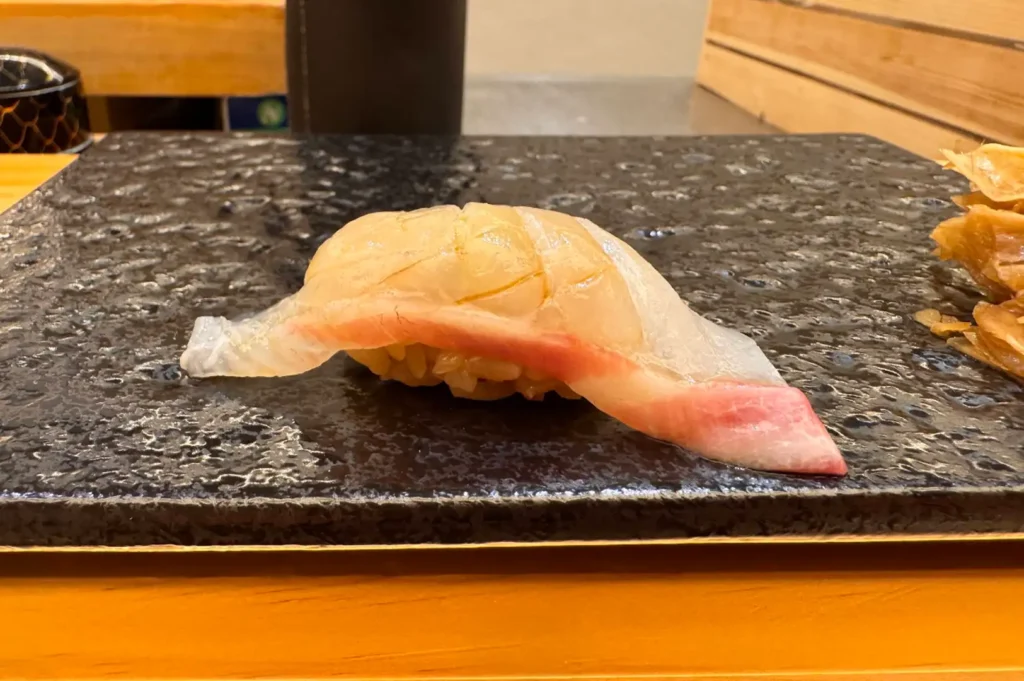
If this is your first time, lunch omakase may be the sweetest introduction. A lunch omakase menu usually provides fewer courses than dinner, but that does not necessarily mean lesser ingredients or less impressive knife work. It simply creates a shorter, more accessible dining experience.
Singapore has also developed a particularly broad range of lunch options. Sushi Yujo, for instance, currently offers lunch omakase starting at S$68, with several progressively larger menus available. This makes lunch appealing to diners who want to experience premium seafood and counter service without immediately committing to a long evening meal.
When comparing omakase sets, look beyond the number of courses. Five excellent pieces of sushi made with good rice and beautifully handled fish can be far more satisfying than a longer menu built simply for quantity.
Dinner Omakase Menu: A Longer Evening at the Counter
A dinner omakase generally allows the chef more room to play. Expect additional appetisers, premium ingredients, more elaborate cooked dishes and sometimes a longer sushi progression. At Sushi Yujo, the restaurant’s current offering begins at S$148 for dinner, while its higher tiers give Chef Desmond Fong greater room for seasonal signatures and original dishes.
A dinner omakase menu can easily become an event in itself. Rather than eating and leaving quickly, guests watch each dish being prepared and served in sequence. For celebrations, anniversaries and other special occasions, that slower rhythm can make dinner feel particularly memorable.
The Sushi Counter and Intimate Dining Experience
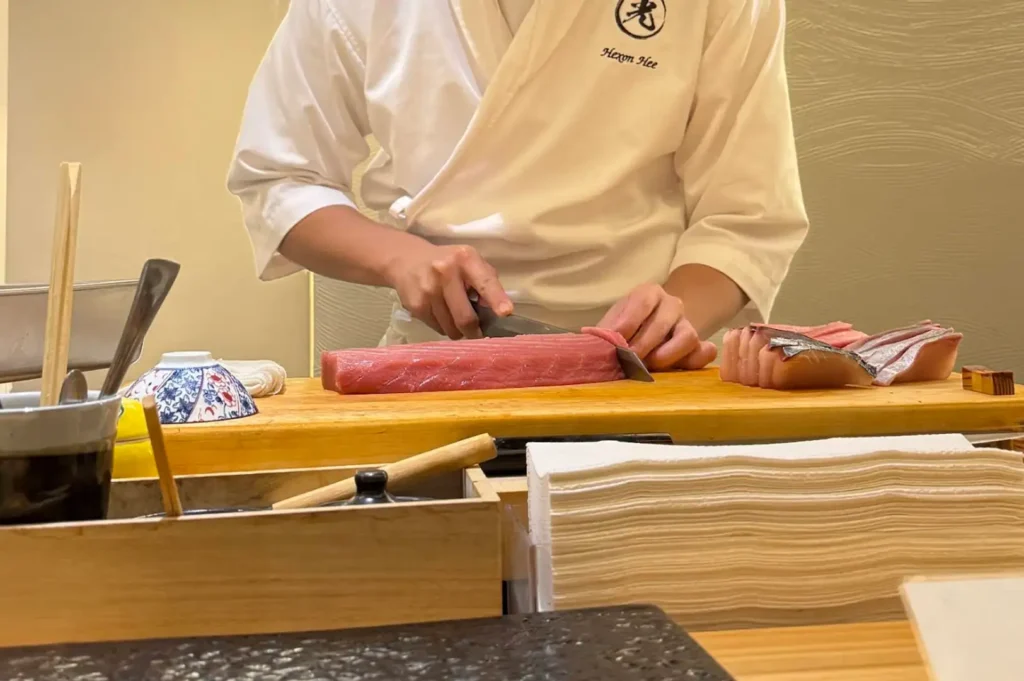
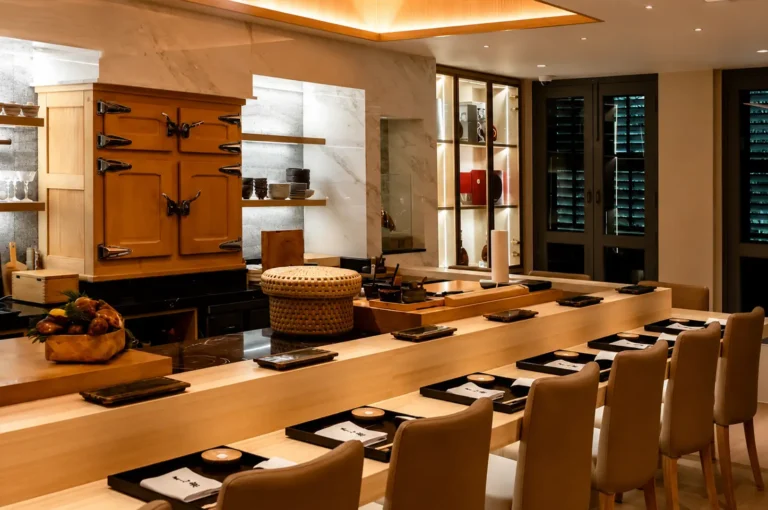
For me, half the magic happens before the food even reaches the plate. At a good sushi counter, you have a front row view of the chef slicing fish, forming rice and applying just enough pressure to shape each piece of nigiri. The counter places craftsmanship centre stage.
It also creates an unusually intimate dining experience. Instead of a kitchen hidden behind swinging doors, the person making your meal is directly in front of you. That closeness is what transforms omakase dining from simply eating sushi into watching a craft unfold.
Omakase Etiquette: How Should Diners Behave?
Thankfully, you do not need to arrive knowing a book of Japanese rules.
A few habits make the experience smoother:
- Arrive on time. Omakase is paced course by course, so being late can disrupt both the chef and other diners.
- Avoid strong perfume. Delicate seafood relies heavily on aroma and freshness.
- Mention dietary restrictions beforehand. A heavily seafood-based menu can be difficult to redesign once service begins.
- Eat sushi soon after it is served. Temperature and texture are part of what the chef intended you to savor.
- Ask before extensive photography. Many restaurants welcome it, but policies differ.
- Trust the seasoning. Nigiri may already have soy sauce, salt or another finishing touch applied.
Most importantly, relax. Good Japanese hospitality is not designed to make a diner nervous.
Japanese Omakase: Traditional or Modern?
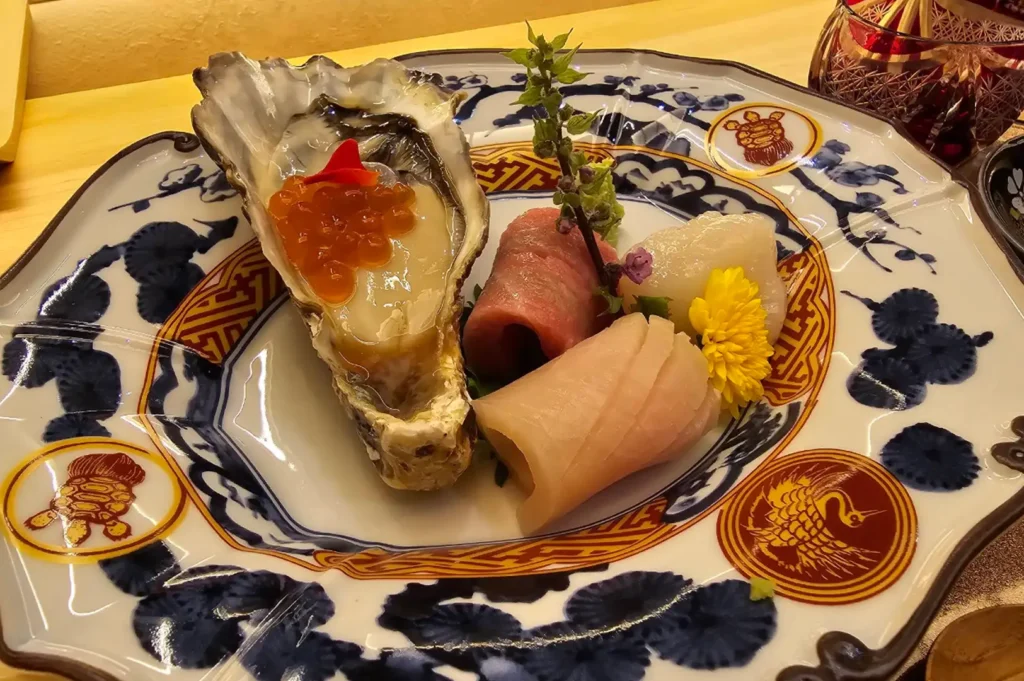
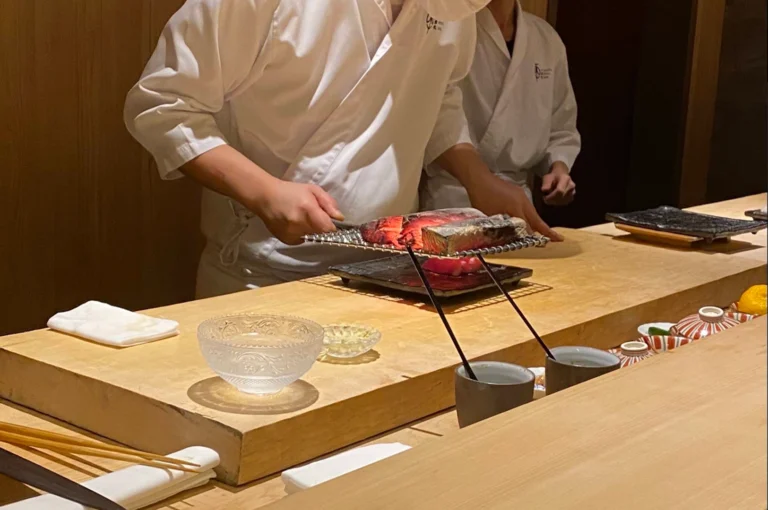
Singapore gives diners a lovely choice between both. Some Japanese omakase restaurants concentrate on Edomae-inspired sushi, precise rice and seasonal fish. Others introduce wagyu, truffles, caviar, aburi techniques and contemporary flavors.
Sushi Yujo openly describes itself as a modern, unconventional Japanese omakase concept and highlights both cooked dishes and aburi sushi. Sushi Muni similarly moves beyond sushi alone, using seasonal ingredients across raw and cooked preparations.
Neither approach automatically makes an omakase better. What matters is a good balance between ingredients, technique, pacing and personality.
How Much Does an Omakase Experience Cost in Singapore?
There is no single Singapore price. At the accessible end, lunch omakase can begin below S$100, as demonstrated by Sushi Yujo’s current S$68 entry menu. From there, prices climb with the number of courses, restaurant prestige and use of the finest ingredients.
At the luxury end, Michelin-recognised sushi counters can cost several hundred dollars per diner, particularly at dinner. That wide range is good news. The best omakases are no longer reserved only for extravagant celebrations. Many restaurants now give curious diners a genuine taste of the format at lunch before they decide whether to venture into a longer dinner.
Is Omakase Worth Trying?
If you enjoy seafood, appreciate craftsmanship and do not mind giving up a little control, yes.
The pleasure of omakase lies in allowing diners to stop studying a menu and simply pay attention: to the knife work, the warmth of the rice, the changing textures of the fish and the small conversations across the counter.
Your first omakase does not need to be the grandest one in Singapore. Choose a restaurant that suits your budget, take a seat, and let the chef lead. Sometimes, not knowing what comes next is exactly what makes the meal so delightful.