The first thing I noticed was not the fish.
It was the attention.
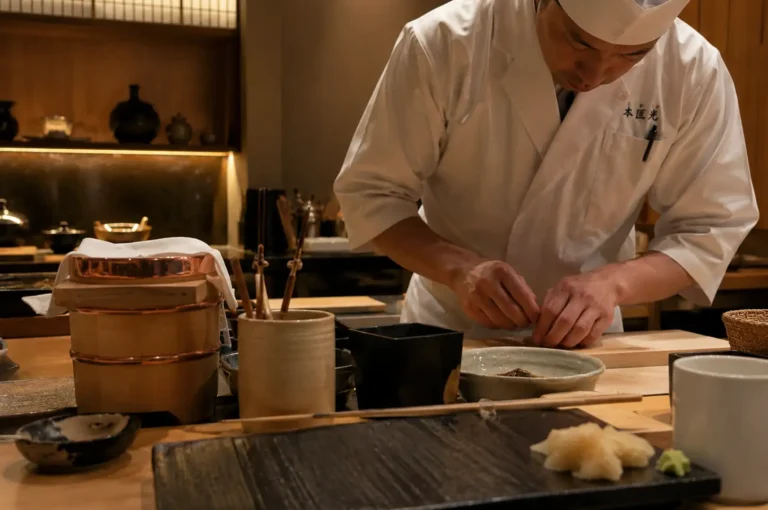
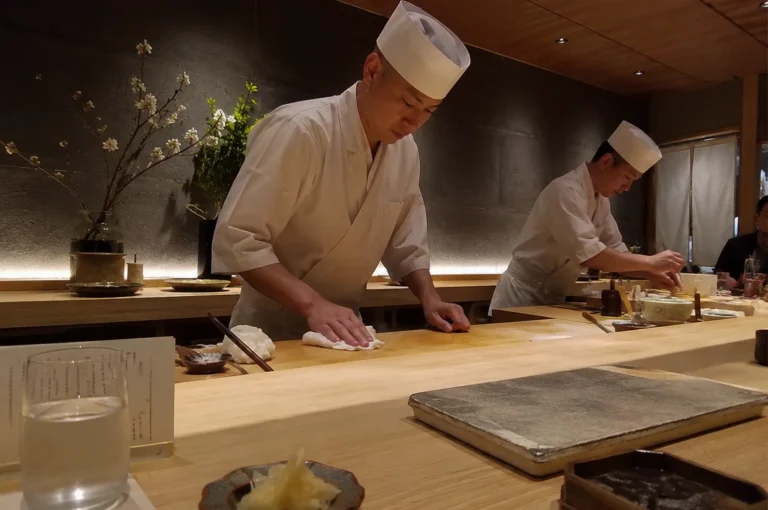
The way the chef wiped the counter after every course. The way each plate arrived only when the previous moment had fully settled. The way no movement looked rushed, unnecessary, or loud. Sitting at an omakase counter, I expected to focus on sushi. Instead, I found myself paying attention to everything around it.
And somehow, that felt like the real experience.
People often describe omakase through luxury. Premium ingredients. Seasonal seafood. Rare cuts flown in from Japan. While those things matter, they are not what stays with you after the meal ends. What lingers is the feeling that every detail was noticed before it ever reached you.
At some point during the dinner, I realized the chef was not simply preparing food. He was observing. Watching pace, reactions, silence, curiosity. Some guests wanted conversation. Others wanted quiet. Some ate quickly while others paused after every bite as if trying to hold onto the flavor longer. Without announcing it, the chef adjusted to all of it.
That level of awareness changed the atmosphere completely.
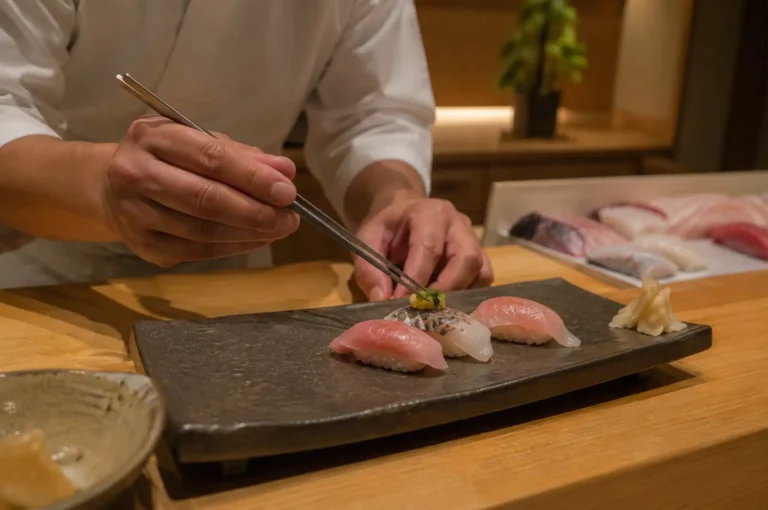
In most restaurants, dining feels transactional. You order, you eat, you leave. Omakase feels different because attention becomes part of the service itself. The chef notices how much soy sauce is enough before you even think to add more. The rice is shaped differently depending on the topping. The next course arrives based on the rhythm of the guest, not the clock.
Even the silence feels intentional.
I remember watching everyone at the counter become quieter as the evening continued. Phones disappeared. Conversations softened. People began looking directly at the food, at the chef, at the process. Attention became contagious. The more care the chef gave to the meal, the more carefully guests received it.
That exchange felt rare.
It made me think about how little attention we give things now. Meals are often rushed between notifications, errands, or meetings. We consume quickly. We move quickly. But omakase asks you to slow down enough to notice texture, timing, temperature, and effort. It asks you to trust someone else’s decisions for a while and simply experience what is in front of you.
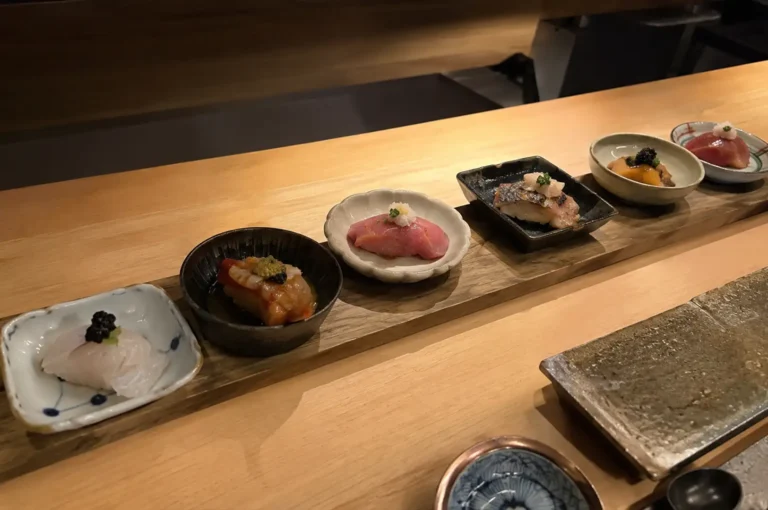
The sushi matters, of course. Great omakase can turn something as simple as tuna and rice into something unforgettable. But what makes the experience emotionally memorable is not just flavor. It is presence.
The attention to detail.
The attention to timing.
The attention to people.
That is what stayed with me long after the final course.
I walked in expecting dinner. I left realizing omakase was really about care made visible.