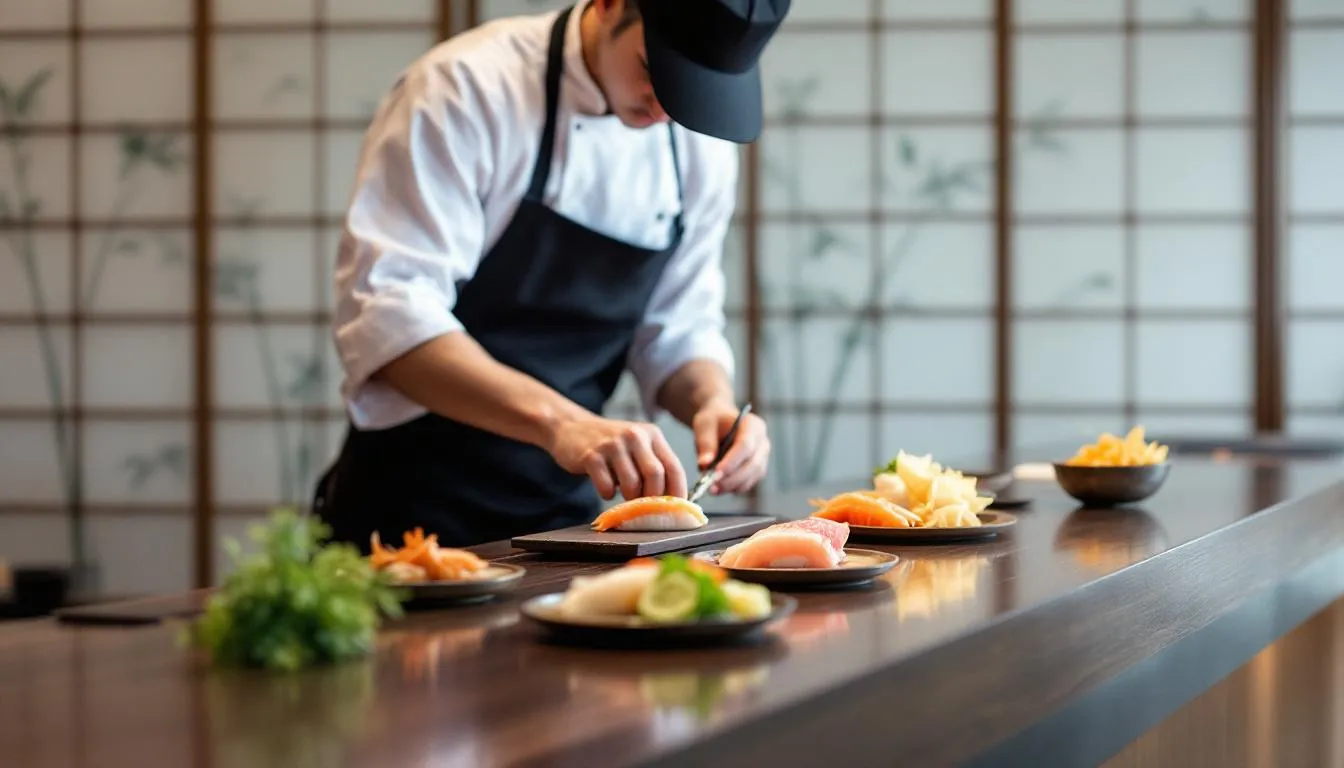
Singapore has emerged as Southeast Asia’s undisputed capital for authentic Japanese cuisine, home to over 500 Japanese restaurants that rival even Tokyo’s finest establishments. This remarkable culinary landscape spans from humble hawker stalls serving affordable ramen to Michelin-starred omakase restaurants where master Japanese chefs craft extraordinary dining experiences with premium ingredients sourced globally, flown in daily from Japan’s premier markets such as Toyosu Market.
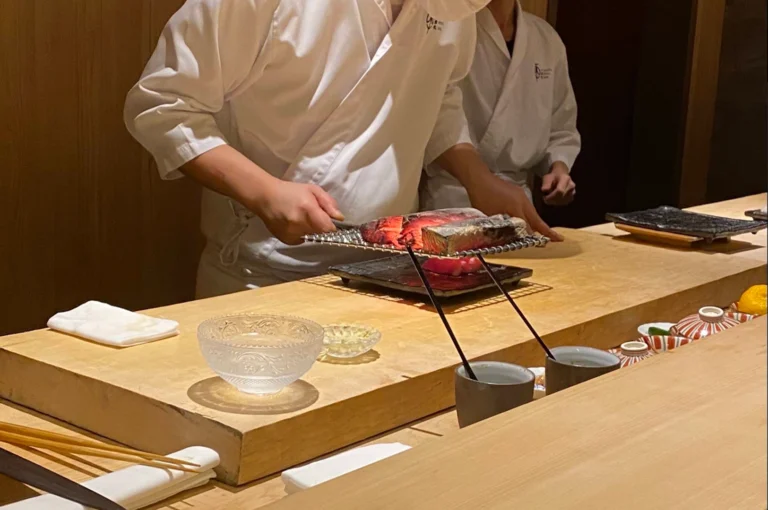
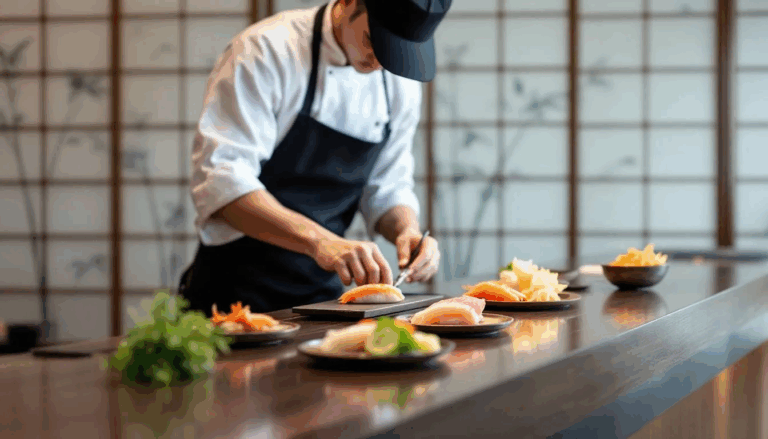
At the pinnacle of this extraordinary culinary landscape sits omakase—the most prestigious and sought-after Japanese dining experience available in Singapore. This art form represents the ultimate expression of trust between chef and diner, allowing diners to indulge in a culinary journey where guests surrender control of their meal to experience the chef’s highest level of culinary artistry and traditional Japanese cooking techniques.
To dive deeper into the art of omakase dining in Singapore, click here and let your taste journey begin.
Singapore’s Japanese Culinary Landscape: A Thriving Hub of Japanese Omakase Restaurants and Dining Experiences
The evolution of Japan cuisine Singapore tells a fascinating story of cultural exchange and culinary excellence. What began in the late 1960s as a handful of restaurants catering exclusively to Japanese expatriates and businessmen has transformed into one of the world’s most sophisticated Japanese dining scenes outside of Japan itself.
From those humble beginnings with just 40-50 Japanese restaurants in the mid-1980s, Singapore now boasts an incredible diversity of Japanese dining options. The rapid expansion began in earnest during the 1990s, fueled by Singapore’s economic boom, increased expatriate population, and growing fascination with Japanese pop culture. This growth has continued unabated, reaching the current milestone of over 500 establishments.
Singapore’s strategic position as a logistics hub enables even mid-range restaurants to source premium ingredients sourced globally, with daily flights from Toyosu Market and other Japanese suppliers ensuring extraordinary freshness. This infrastructure advantage allows Singaporean restaurants to maintain authentic Japanese techniques while adapting to local tastes and the tropical climate.
Sushi Omakase: The Pinnacle of Japanese Dining in Singapore’s Best Japanese Restaurants
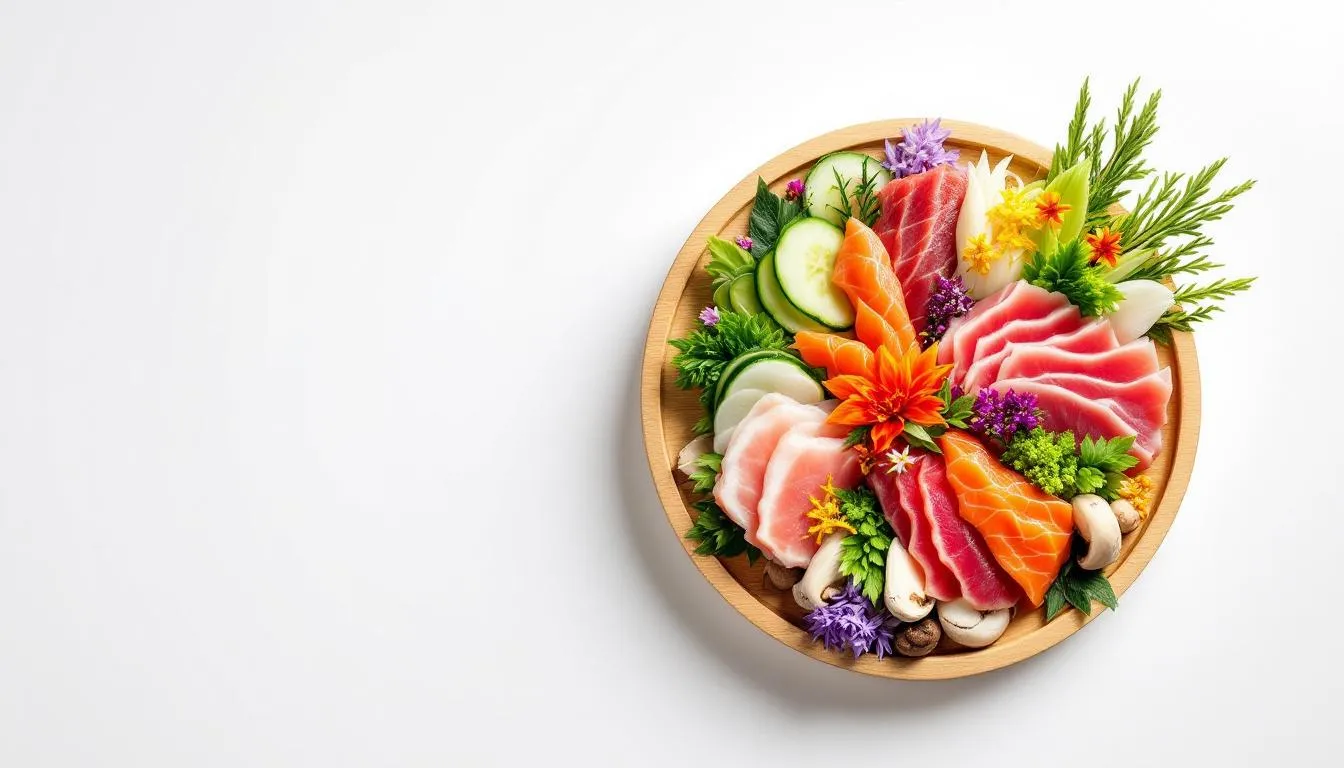
Omakase represents the absolute summit of Japanese dining experiences available in Singapore. This highly specialized form of culinary artistry has positioned Singapore as Southeast Asia’s premier destination for omakase, attracting food enthusiasts from across the region who seek the most authentic and memorable Japanese food experiences.
What makes omakase the crown jewel of Singapore’s Japanese restaurant scene is its embodiment of the highest levels of culinary mastery. Unlike conventional dining where diners select from a menu, omakase dining places complete trust in the chef’s expertise, seasonal judgment, and artistic vision. This creates an intensely personal culinary journey that showcases the chef’s interpretation of Japanese cuisine at its finest.
The concentration of skilled Japanese chefs in Singapore who have trained at Japan’s most prestigious establishments has elevated the local omakase scene to international recognition. Many venues regularly secure Michelin stars and global acclaim, validating Singapore’s position as a world-class destination for this specialized dining experience.
Omakase Price Points and Investment: Understanding the Total Bill and Opening Hours
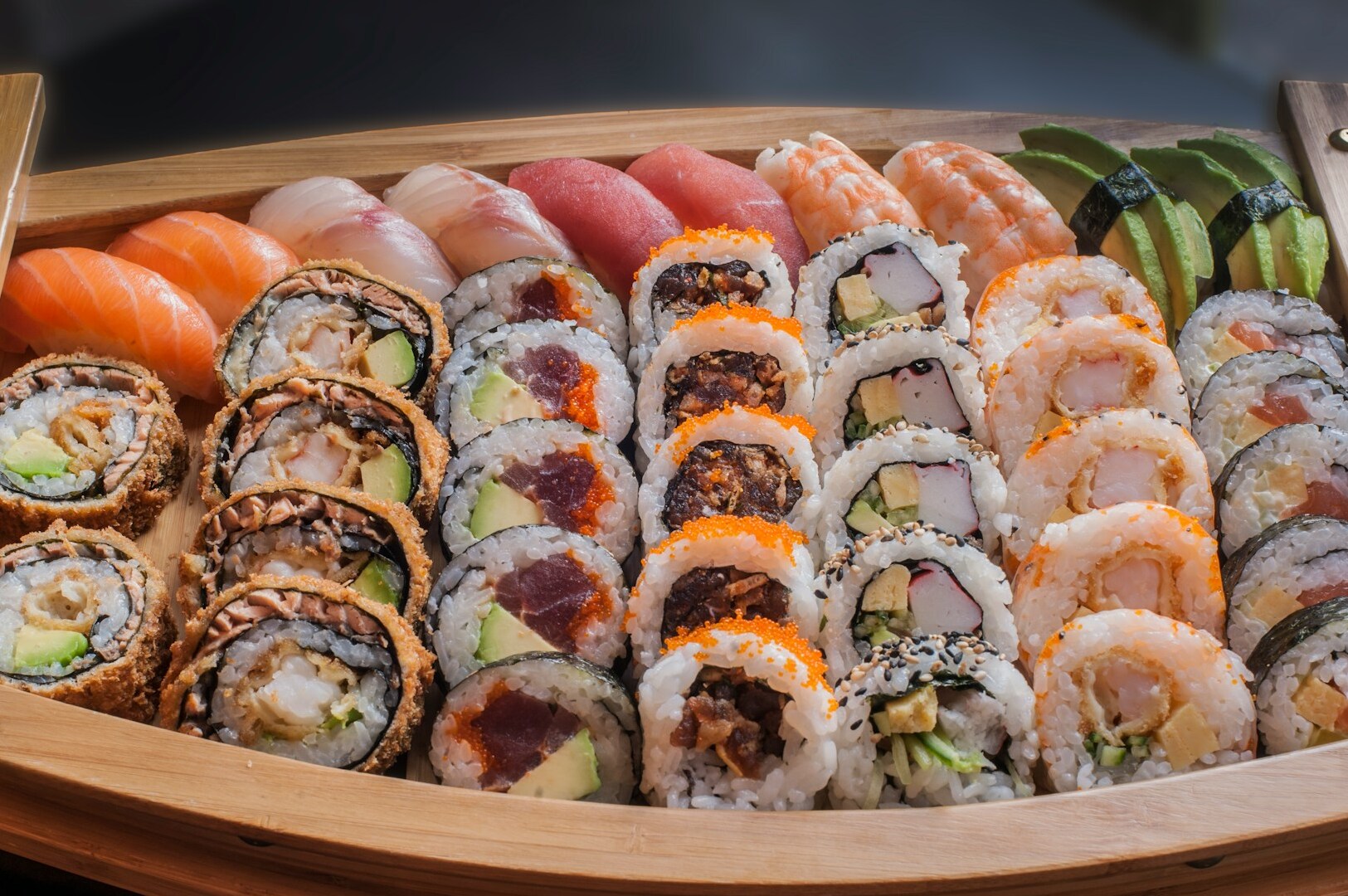
Understanding omakase pricing in Singapore requires appreciating the significant investment in ingredients, chef expertise, and overall experience that defines this pinnacle of Japanese dining. The pricing structure reflects not just the cost of premium ingredients, but the years of training, rare sourcing relationships, and artistic mastery that chefs bring to each meal.
Entry-Level Omakase
Entry-level omakase experiences in Singapore typically range from $80-150 per person, often available during lunch courses. These options provide an excellent introduction to the omakase philosophy, featuring fresh ingredients and skilled preparation. Many restaurants offer lunch omakase menus ranging in variety and price, allowing diners to enjoy authentic Japanese dining style without the full investment of dinner service. These experiences often highlight seasonal seafood such as scallop, sea urchin (uni), and tuna, reflecting the Singapore context of premium ingredient sourcing.
Mid-Tier Omakase Dining
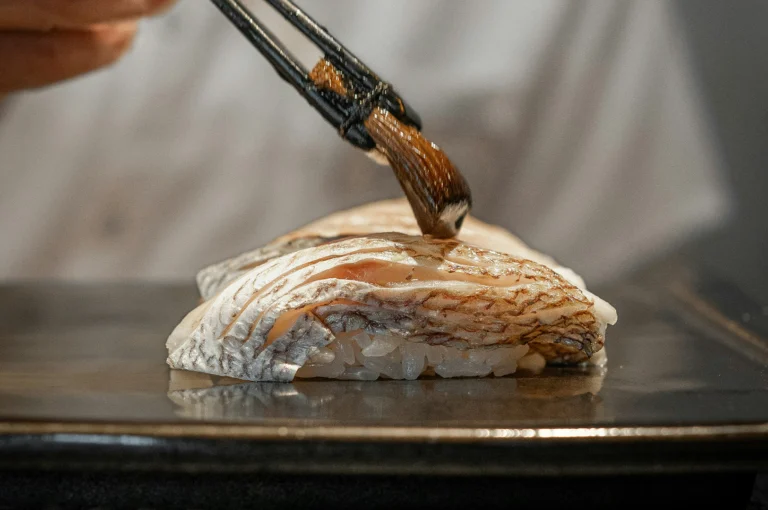
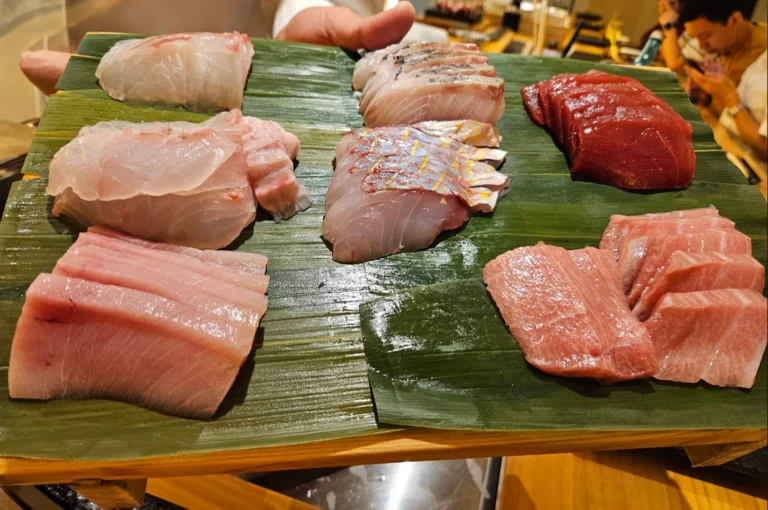
Mid-tier omakase dining, priced between $200-400 per person, represents a good balance for food enthusiasts seeking authentic and refined experiences. These meals showcase premium ingredients, including golden eye snapper, otoro, and other seasonal specialties curated by the chef. Dinner starts with carefully crafted appetizers and sashimi, progressing to expertly prepared nigiri and sushi courses. Many venues emphasize intimate dining settings, such as the 8-seat sushi counter at Sushi Masa by Ki-setsu in Cuppage Plaza, where Chef Masa personally curates each dish. This level often includes sake pairings and delivers an immersive journey into Japanese culinary artistry.
Ultra-Premium Omakase Experiences
Ultra-premium omakase experiences, costing $500 or more per person, feature the rarest and most exclusive ingredients, such as premium sanchoku wagyu, rare seasonal seafood flown in directly from Japan’s Toyosu Market, and intricate preparations requiring specialized techniques. These dining experiences are often led by master chefs with decades of training and include luxurious touches like uni and otoro sushi. Such exclusive venues offer a new concept of Japanese dining style, combining tradition with innovation to deliver unforgettable meals in an intimate setting.
When evaluating value, omakase dining often provides better quality ingredients and more skillful preparation than comparable à la carte experiences. The comprehensive nature of omakase, including amuse-bouches, seasonal specialties, and thoughtful progression, often delivers more value than ordering individual items of similar quality.
The Art of Seasonal Japanese Ingredients in Omakase: Signature Dishes and Culinary Artistry
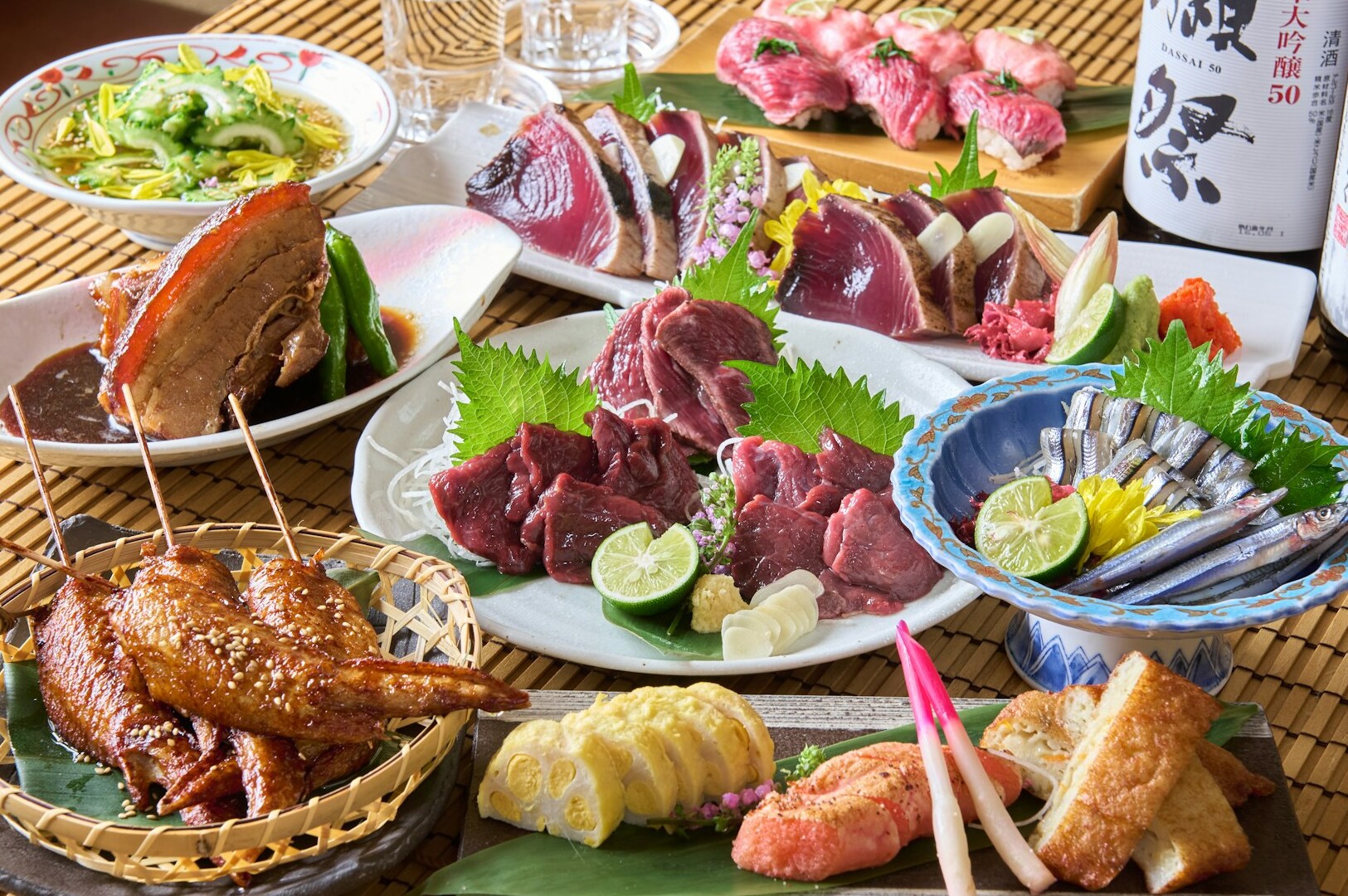
Seasonality forms the philosophical foundation of authentic Japanese cuisine and reaches its highest expression in omakase dining. This ancient principle, deeply rooted in Japanese culture’s connection to natural cycles, transforms each omakase experience into a reflection of nature’s current abundance and the chef’s ability to showcase fleeting seasonal treasures.
Spring Omakase
Spring omakase menus celebrate renewal and delicate flavors through ingredients like wild mountain vegetables, tender bamboo shoots, and cherry blossom-themed presentations. Chefs incorporate these elements not just for flavor but for their cultural significance, creating dishes that evoke the Japanese spring experience.
Fresh spring seafood, including young sweetfish and spring shellfish, provides the foundation for dishes that emphasize clean, bright flavors. The use of freshest seasonal ingredients ensures that seasonal sashimi and seasonal sushi highlight the vibrant tastes of the season, often showcased in omakase courses that the chef curates with care.
Summer Omakase
Summer specialties focus on cooling preparations and the peak freshness of warm-weather seafood. Seasonal fish like kohada (gizzard shad) and aji (horse mackerel) reach their prime during summer months, while chefs adapt their techniques to provide refreshing experiences suited to Singapore’s tropical climate.
Cold preparations, chilled soups, and dishes emphasizing natural flavours become central to summer omakase progression. Seasonal appetisers and seasonal sashimi are crafted to refresh the palate, with omakase sets often featuring ingredients flown in directly from Toyosu Market to ensure the finest ingredients are centre stage.
Autumn Omakase
Autumn omakase reaches extraordinary heights with the arrival of matsutake mushrooms, one of Japan’s most prized seasonal ingredients. These rare mushrooms, with their distinctive pine-like aroma, command premium pricing and represent the pinnacle of autumn dining.
Seasonal shellfish, warming preparations, and the transition toward heartier dishes characterize autumn omakase experiences. The chef curates seasonal tasting menu based on these finest ingredients, often incorporating seasonal sushi and sashimi that highlight the depth and richness of autumn’s bounty.
Winter Omakase
Winter omakase features premium crab varieties, comfort-focused hot dishes, and ingredients that provide warmth and richness. Hokkaido crab, winter vegetables, and warming preparations create omakase experiences that comfort and satisfy during cooler months. Seasonal sashimi and seasonal sushi selections in winter often include fatty tuna (otoro) and sea urchin (uni), prized for their luxurious textures and flavors.
The seasonal tasting menu based on the freshest seasonal ingredients ensures that diners enjoy a rich and memorable dinner omakase experience, often enjoyed at intimate counter seating where the chef’s craftsmanship is on full display.
Omakase Menu: A Seasonal Journey of Flavors
The omakase menu in Singapore’s premier Japanese restaurants offers a meticulously curated seasonal tasting experience that highlights the freshest seafood and ingredients flown directly from Japan’s renowned Toyosu Market. Diners can expect a thoughtfully paced progression of dishes, from delicate sashimi to expertly crafted sushi, showcasing the chef’s mastery and dedication to authentic Japanese culinary traditions.
Many omakase menus also include signature warm courses and a dessert finale, providing a complete and satisfying dining journey. Whether at intimate sushi counters like Sushi Masa by Ki-setsu or celebrated venues such as Sushi Muni and Ganko Sushi, each menu reflects the essence of Japan cuisine Singapore, blending seasonal artistry with impeccable craftsmanship.
In Singapore, lunch omakase offers a more affordable way to experience this refined dining style, typically featuring shorter menus with equally fresh ingredients flown in from Japan. Dinner omakase, on the other hand, tends to be a more elaborate and immersive experience, with longer tasting menus and premium seasonal seafood selections that highlight the full range of the chef’s skills and the best seasonal produce. Both lunch and dinner options emphasize the intimate sushi counter setting, allowing diners to engage closely with the chef while savoring authentic Japanese flavors.
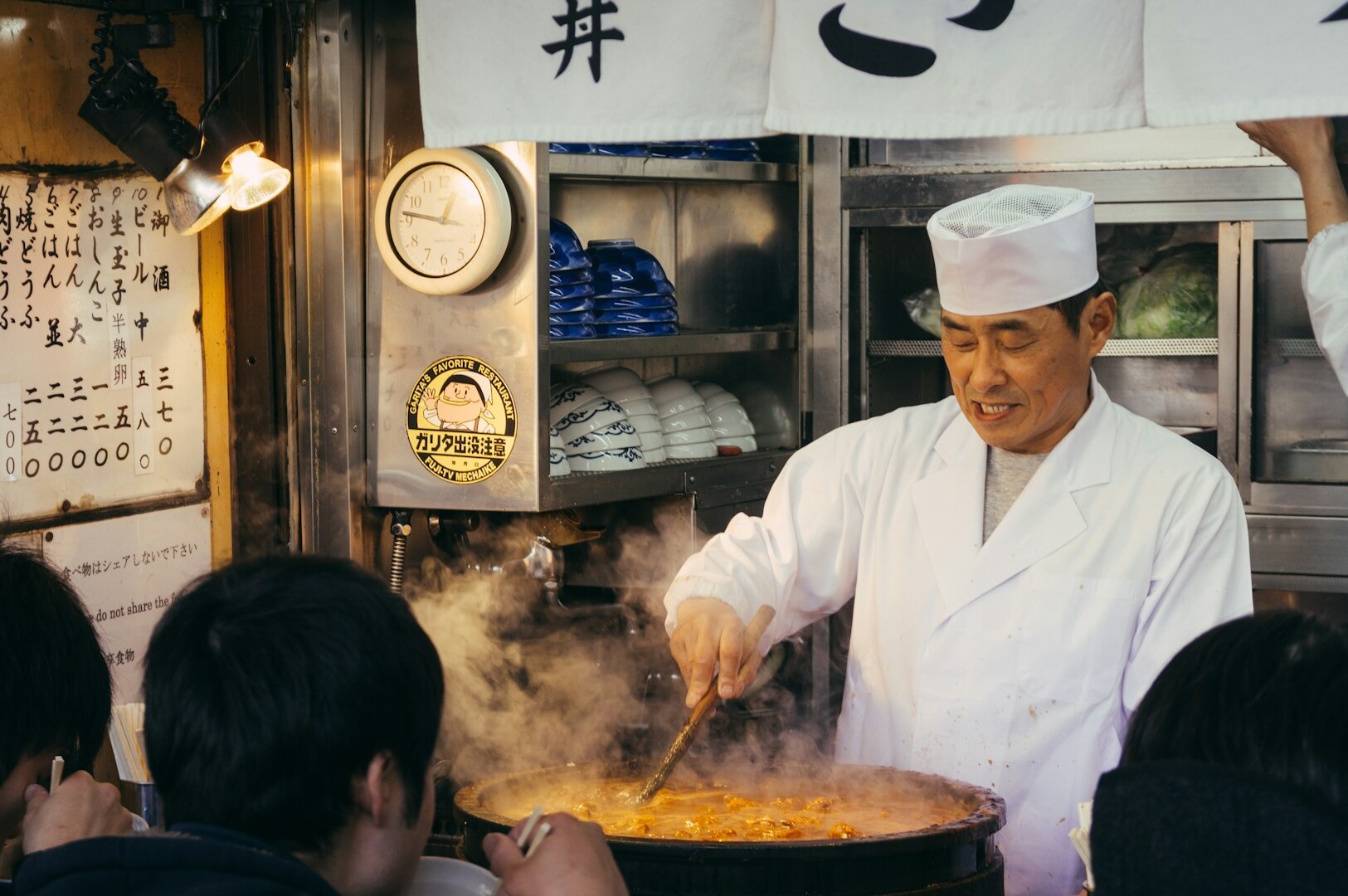
Your Guide to Singapore’s Best Japanese Restaurants and Omakase Experiences
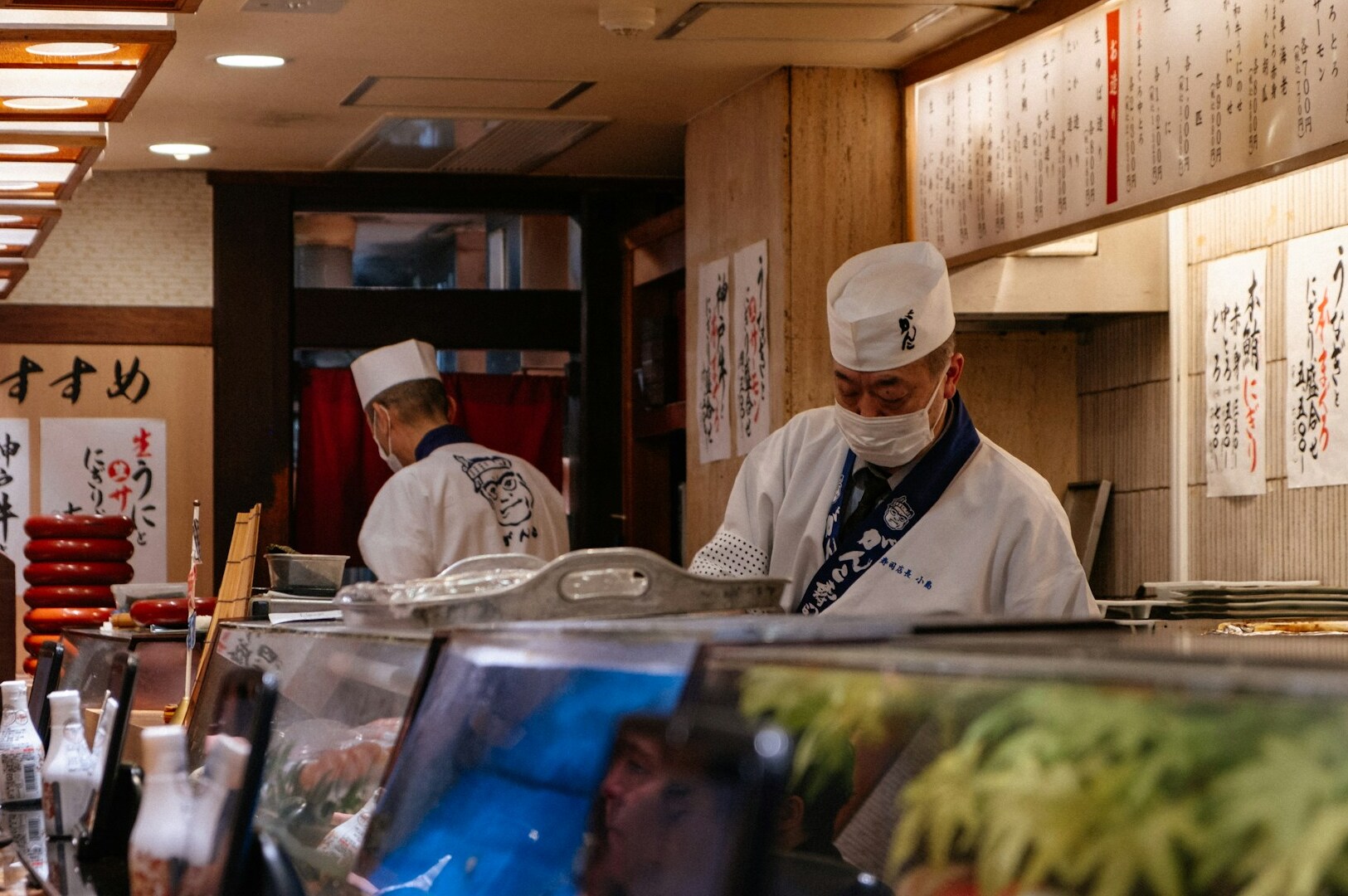
Navigating Singapore’s sophisticated omakase landscape requires proper research and preparation to ensure each dining experience meets expectations and provides maximum value. The complexity of omakase dining, from understanding different chef styles to securing reservations at exclusive venues, benefits significantly from expert guidance and insider knowledge.
Whether you are a seasoned connoisseur or a curious newcomer, embracing the rich traditions and innovations of Japanese cuisine in Singapore promises an unforgettable culinary journey that celebrates seasonality, craftsmanship, and hospitality.
For those seeking an intimate celebration or a journey into culinary mastery, this comprehensive guide to the Best Omakase Singapore: Refined Selection of Japanese Omakase Restaurants unlocks a curated world of refined Japanese dining.