When I first moved to Singapore, I was overwhelmed by the sheer number of Japanese dining options. From the conveyor belts buzzing in the basement of Thomson Plaza to the hushed, cypress-scented counters in One Holland Village and Holland Village, the choices felt endless. I remember booking what I thought was an “omakase” experience early on, only to be served a fixed bento box all at once while the chef was busy chopping onions in the back. It was delicious, but it wasn’t the chef-to-diner, piece-by-piece performance I had paid for.
That’s when I realized: not every sushi and restaurant with a high price tag offers a true omakase experience. In Singapore, the term “omakase”, which literally translates to “I’ll leave it up to you”, is sometimes used loosely. It can mean anything from a chef’s tasting menu to a marketing buzzword for a premium set lunch. This guide is here to help you navigate the nuances, manage your spending and minimum spend, and ensure you get exactly the dining experience you’re looking for, whether it’s a quick lunch or a celebratory splurge at a sushi bar or a modern Japanese cuisine house.
The Spectrum of Modern Japanese Cuisine Dining Experience in Singapore
Understanding the difference between formats is the first step to avoiding disappointment and fully enjoying the quality ingredients and dishes offered.
1. The Casual Sushi Bar or Kaiten
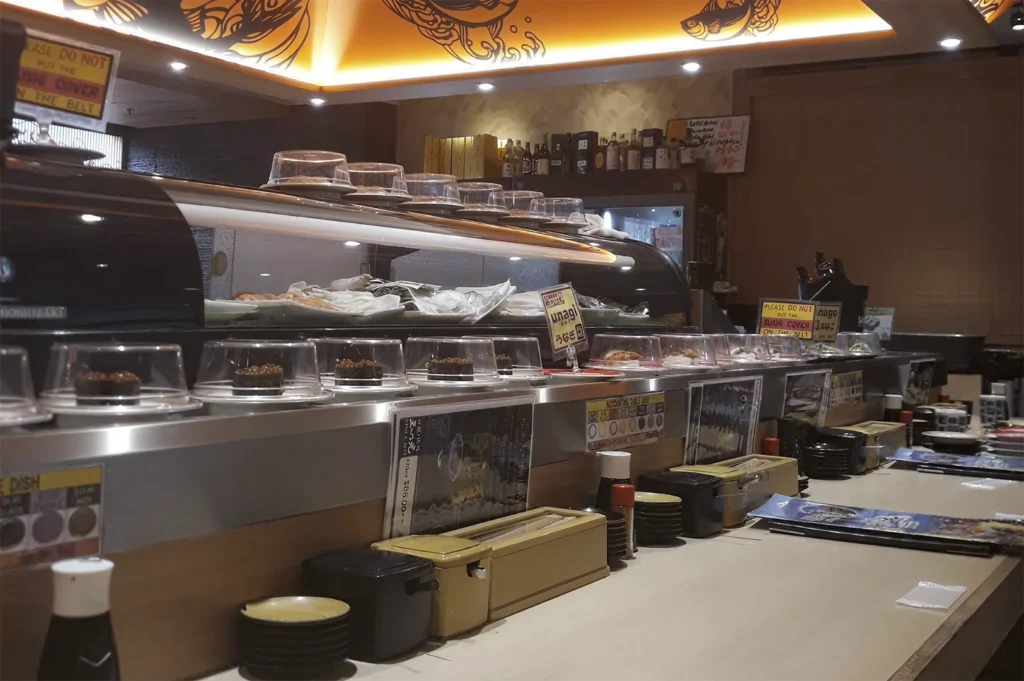
These are your go-to spots for a quick fix. Think of outlets in Raffles City Shopping Centre or basement food halls like Thomson Plaza. Here, you order specific items such as sushi, noodles, don (rice bowls), or standard sushi sets. The interaction is minimal. You are paying for convenience and comfort food, not a culinary narrative. The sushi bars here often feature fresh sashimi and a variety of fish to satisfy your palate.
2. The Izakaya
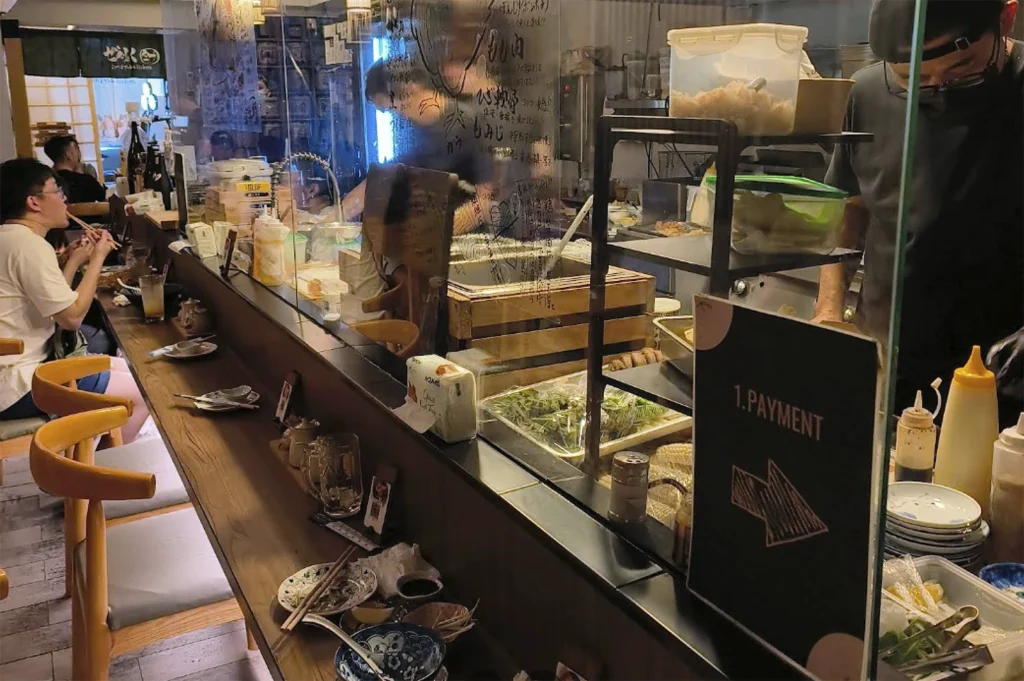
These are drinking establishments first, food second (though the food is often excellent). You’ll find soft shell crab, yakitori, and hearty dishes meant to be shared. It’s loud, fun, and casual, perfect for a relaxed dining experience with friends or family.
3. The “Omakase-Style” Set Menu
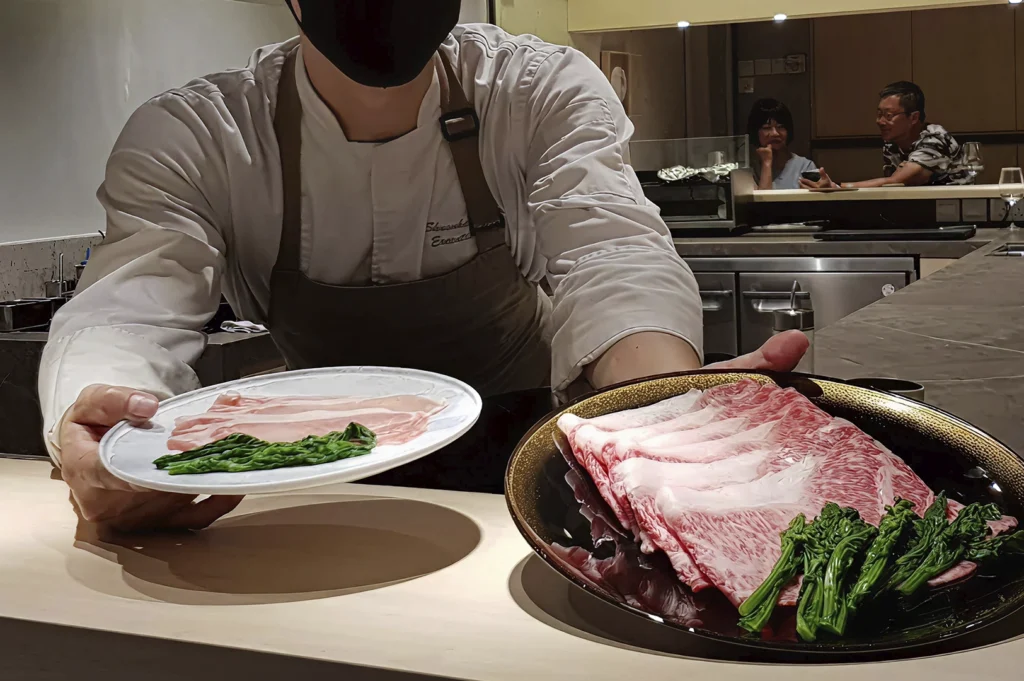
This is where it gets tricky. Many restaurants offer a “Chef’s Selection” set. You might get a bowl of soup, fresh sashimi, grilled fish, and rice, but it often arrives in large trays or all at once. This is a legitimate way to dine, but it lacks the pacing and temperature control of a true counter experience. Check the menu carefully to see if the dishes are served in courses or all together.
4. True Counter Omakase
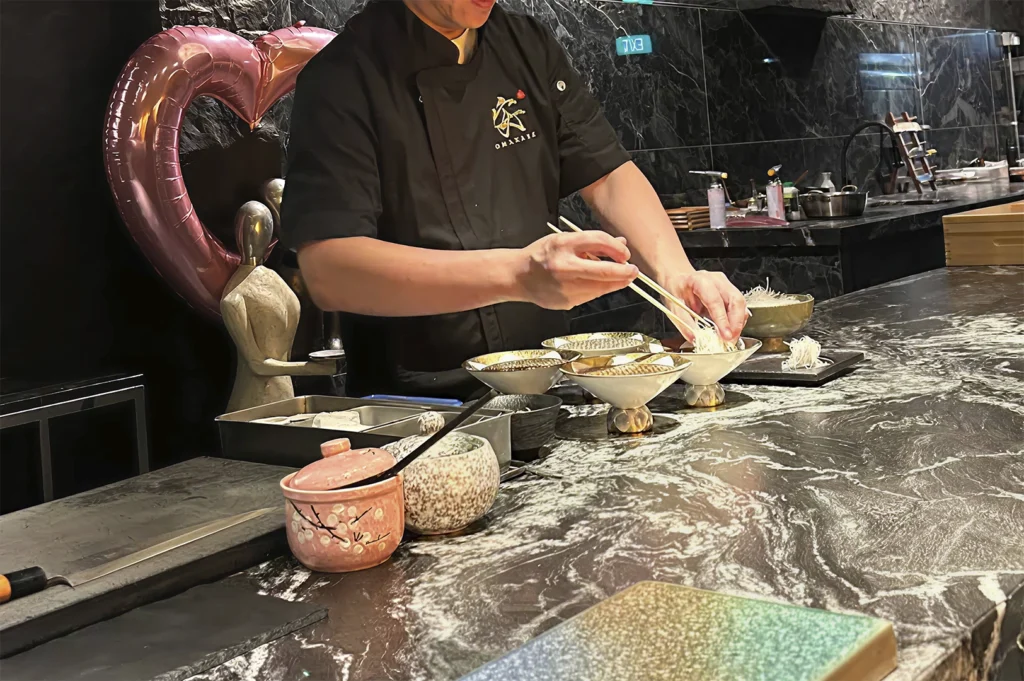
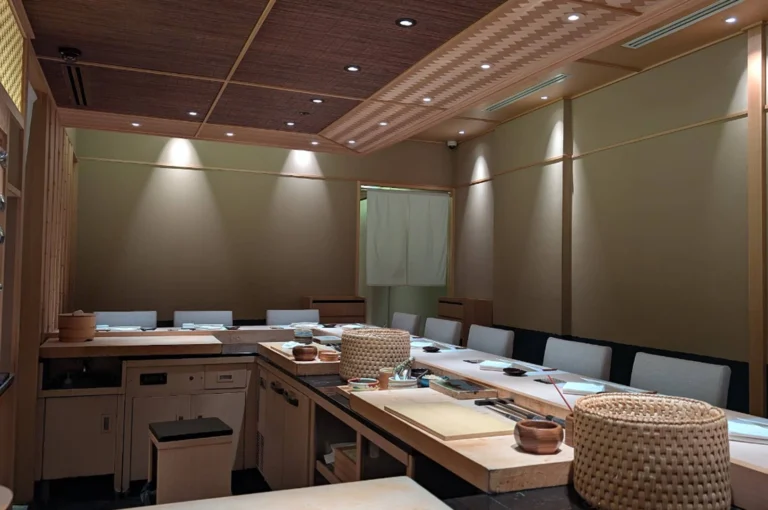
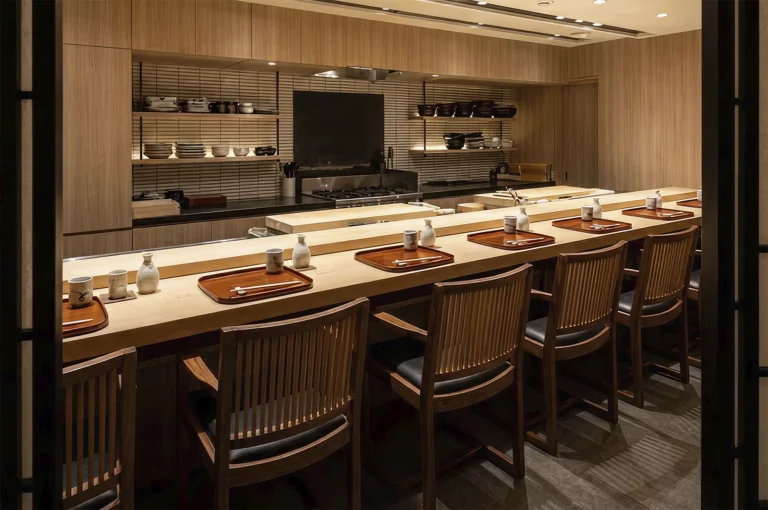
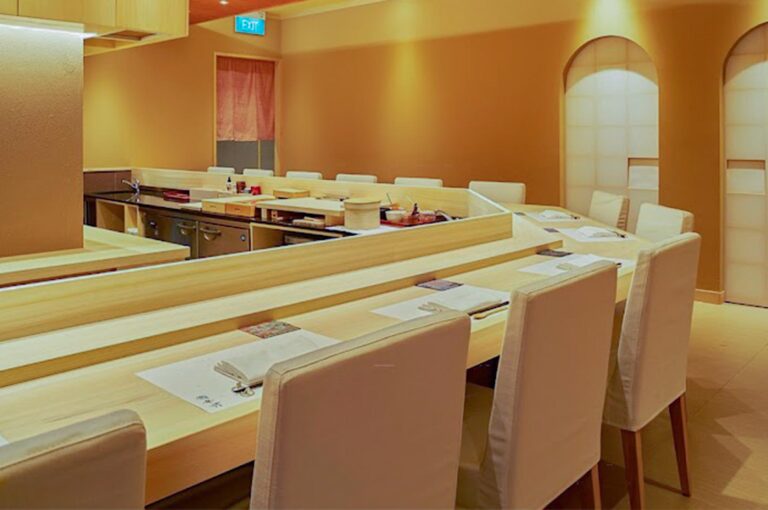
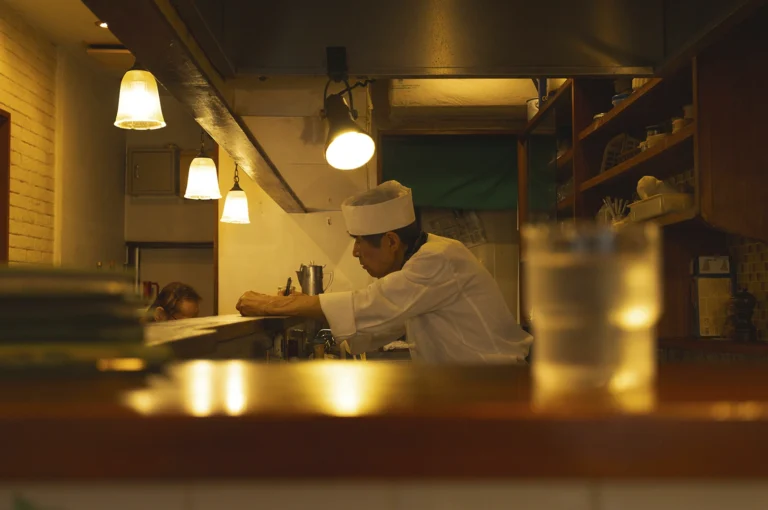
This is the pinnacle of Japanese dining experience. You sit at a sushi bar, usually with only 8 to 12 seats. The chef stands right in front of you. He slices the fish seconds before handing it to you. The rice temperature is monitored obsessively. The menu is unwritten and changes daily based on what arrived from Japan that morning, reflecting the current season and freshest ingredients. This is what people usually mean when they talk about “going for omakase.”
Personal Tip: If you can order a la carte mains like katsu curry or ramen while sitting at the same table, you likely aren’t in a strict omakase environment. Remember, true omakase counters rarely offer cooked heavy dishes alongside the sushi progression unless it’s a specific “Kappo” style meal.
5 Steps to Choose the Right Omakase Dining Experience for You
Don’t just blindly follow a “Best Of” list. Here is how I choose where to dine:
- Define the Occasion: Is this a quick lunch to satisfy a craving, or a 10th anniversary? If it’s just a craving, a sushi and restaurant set at a mid-range mall like Raffles City Shopping Centre or Thomson Plaza is perfect. If it’s an anniversary, book a counter experience with a chef.
- Check the “Minimum Spend” or Deposit: High-end places often require a credit card authorization. If you miss your reservation or cancel late, you will be charged. This is standard practice in Singapore to protect the restaurant from food waste.
- Look for “Seasonal” Keywords: Does the menu mention “Spring Bamboo” or “Winter Yellowtail”? This indicates a kitchen that actually follows the season, a hallmark of quality.
- Verify the Chef: Is the head chef actually there every day? Some famous branded restaurants have the “master” only visit once a year. I prefer places where the head chef is behind the counter every day.
- Review the “Contact” Page: Do they have a strict “no perfume” policy? This is a green flag for serious foodies, as strong scents ruin the delicate flavor of raw fish.
What to Expect: A Typical Omakase Dining Flow
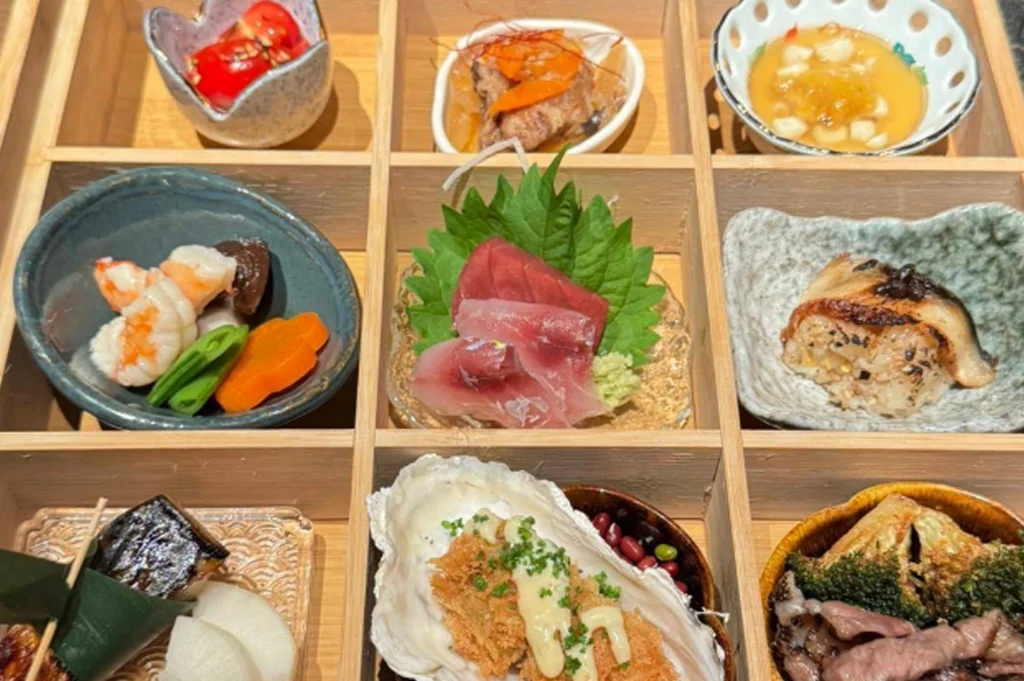
If you decide to book a proper chef-led counter experience, the meal usually follows a thoughtful progression. While every chef has their own rhythm, this is the structure you’ll commonly encounter at traditional Edomae-style and serious omakase counters in Singapore.
1. Zensai (Seasonal Appetisers)
The meal often begins with small seasonal bites to awaken the palate. This could be lightly dressed vegetables, a vinegared dish, simmered octopus, or a delicate cold preparation. These are designed to set the tone and reflect the season.
2. Sashimi (Optional at Some Counters)
Many traditional counters serve a few slices of sashimi before the nigiri begins. This allows you to taste the fish in its purest form, without rice. However, some chefs skip a formal sashimi course and transition directly into sushi.
3. Cooked Course (Yakimono / Mushimono / Nimono)
A warm dish is often introduced to create contrast. This may be:
- Grilled fish (yakimono)
- Steamed egg custard (chawanmushi)
- A simmered seasonal item
At kappo-style counters, cooked dishes may appear throughout the meal rather than in a single segment.
4. Nigiri (The Main Progression)
The heart of the experience is the piece-by-piece nigiri service. The progression usually moves from lighter to richer flavours:
- Delicate white fish (hirame, tai)
- Silver-skinned fish (aji, kohada, saba)
- Lean tuna (akami)
- Medium fatty tuna (chutoro)
- Fatty tuna (otoro)
- Cooked items such as anago (sea eel)
Some chefs end with tamago (Japanese omelette), while others conclude with a handroll (temaki). The exact order varies, but the arc typically builds in intensity.
5. Soup
A bowl of miso soup is often served toward the end of the meal to reset the palate and provide warmth. In some restaurants, it may appear mid-course instead.
6. Dessert
Dessert at traditional counters is usually simple and elegant, premium seasonal fruit (such as musk melon), matcha-based sweets, or a light ice cream. The focus remains on clean, restrained flavours rather than elaborate pastry work.
Advice: If you have allergies, you MUST tell them when you book. Telling a chef you can’t eat shellfish when you sit down throws off his entire flow for the night. Please contact the restaurant in advance.
The Reality When “Omakase” is a Trap
I hate to say it, but there are traps.
- The “Everything” Menu: If a place offers Thai curry, California rolls, and “Omakase,” run. Specialization is key in Japanese cuisine.
- The “Discounts” Game: “50% off Omakase this week only!” usually means they are trying to clear stock. Fresh fish has a shelf life; deep discounts are rarely a good sign for raw seafood.
- The Impossible Reservation: If they claim to be fully booked for months but you can walk in and see empty seats, it’s artificial scarcity.
A Note on Lunch vs Dinner
Many top-tier omakase restaurants in Singapore offer lunch menus that are significantly more affordable than dinner, sometimes 30–40% less.
However:
- Lunch menus are usually shorter.
- Premium seasonal ingredients may be reserved for dinner.
- The core philosophy, rice, and technique remain the same.
If you want to experience a Michelin-level counter without committing to a full evening budget, weekday lunch, especially Mon Fri, is often the smartest entry point.
Navigating the One Holland Village and Holland Village Scene
Neighborhoods like Holland Village and the newer One Holland Village enclave have become hotspots for modern Japanese cuisine. But how do you choose the right outlet?
I recently visited a sushi and restaurant in this area that advertised an “Omakase Set.” I walked in expecting a quiet sushi bar counter but found a lively dining experience with loud music and families sharing hotpots. The “omakase” was simply a premium platter of 10 pieces of sushi chosen by the kitchen. Was it bad? No. Was it what I expected? Also no.
How to spot the difference before you book:
- Check the Seating: Does the restaurant have a dedicated sushi bar counter? If the “omakase” is served at a regular table, it’s likely just a set menu.
- Look at the Time: True omakase usually has specific seatings (e.g., 6:00 PM and 8:30 PM) because everyone starts together. If you can book a table for 7:15 PM on a Tuesday or Thursday, it might be a more casual format.
- Read the Menu Policy: If they list every single dish permanently on the website (e.g., “Salmon, Tuna, Swordfish”), it’s a set menu. True omakase menus usually just say “Seasonal Appetizer, 10 pieces Nigiri, Soup.”
Savor Every Bite: Making the Most of Your Omakase Journey
I’ve found that the best dining experiences happen when I engage with the chef, but respectfully. You don’t need to interview him, but asking “Is this from Japan?” or “I love the texture of this rice” opens up a conversation. Also, be mindful of your phone. Taking a quick photo is fine in most places, but don’t spend 5 minutes arranging lighting while the sushi dies on the plate. The temperature contrast is crucial. Eat it, then post it later.
Remember, not all sushi and restaurants are omakase, and that is okay. Sometimes you want a quick salmon set on a Monday afternoon. Sometimes you want the full two-hour artistic experience on a Friday night. By understanding the differences, checking the details, and managing your expectations, you can ensure that every dollar you spend brings you joy. So go ahead, choose your adventure, and enjoy the incredible food this city has to offer, whether dining out or enjoying the taste of Japan at home.
To experience legit omakase dining in Singapore, you can explore our top 3 omakase picks for 2025 to enjoy an authentic and carefully crafted sushi journey.