The first thing I noticed was not the food. It was the silence between movements.
Not an awkward silence, not the kind that asks to be filled, but the kind that naturally settles when everyone in the room understands they are witnessing something intentional. At the omakase counter, nothing felt rushed. Nothing felt random. Even the smallest gestures seemed rehearsed through years of repetition and care.
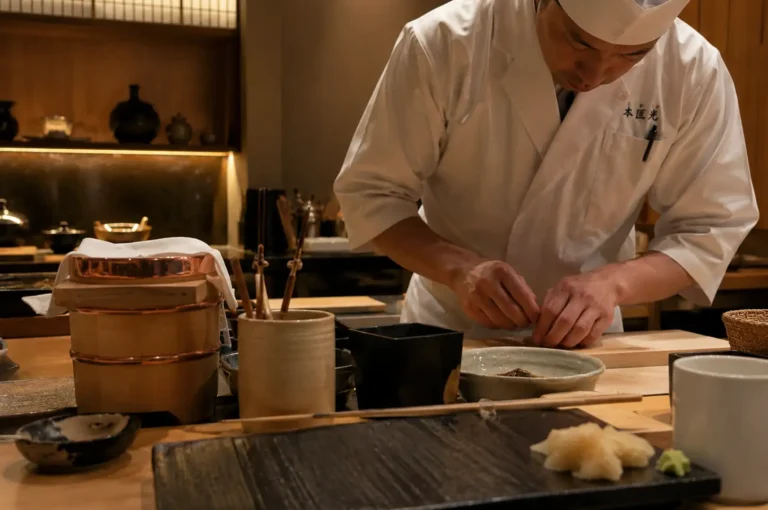
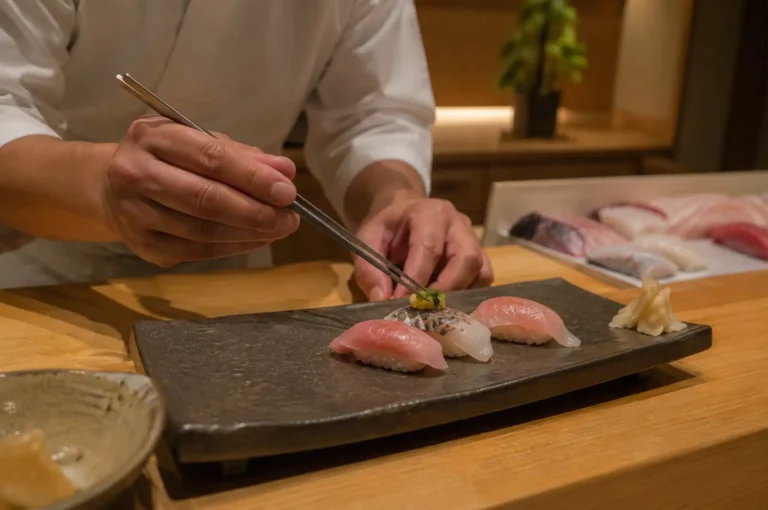
The chef reached for a towel before touching the knife again. A plate was turned slightly before being placed in front of a guest. Soy sauce was brushed onto the fish with the precision of someone who already knew exactly how much was enough. No extra movement existed without reason.
And somehow, that was what made the experience emotional.
We often think luxury comes from expensive ingredients or elaborate presentations. But sitting at an omakase counter changes that understanding. The real luxury is attention. Attention to temperature. Timing. Texture. The way a single bite should arrive in front of you at the exact moment it is ready to be eaten.
Every detail quietly says: someone thought carefully about this before it reached you.
That feeling becomes surprisingly personal.
You begin to notice how the chef watches the pace of each guest. Some people finish quickly. Others pause longer between bites. The counter adapts without needing conversation. Water glasses are refilled before anyone asks. Ginger appears at the right moment. A warm dish arrives just as the room settles into comfort.
Nothing announces itself loudly, yet everything feels considered.
There is something deeply human about watching someone dedicate themselves fully to small details most people would overlook. In everyday life, we are surrounded by things made for speed and convenience. Meals become background noise. Conversations compete with notifications. Even attention feels temporary.
But at the omakase counter, attention becomes the entire experience.
A single piece of sushi can take years to understand properly. The rice temperature matters. The pressure of the chef’s hands matters. The cut of the fish matters. Even the timing between preparation and serving changes the final bite. What looks effortless in front of guests is usually the result of discipline hidden beneath calm movements.
That is why the atmosphere feels different from ordinary dining.
You are not simply eating dinner. You are sitting in the middle of someone’s accumulated habits, standards, and quiet pride. The counter becomes less about performance and more about trust. You trust the chef to guide the meal. The chef trusts the guest to slow down enough to notice it.
And maybe that is what stays with people long after the meal ends.
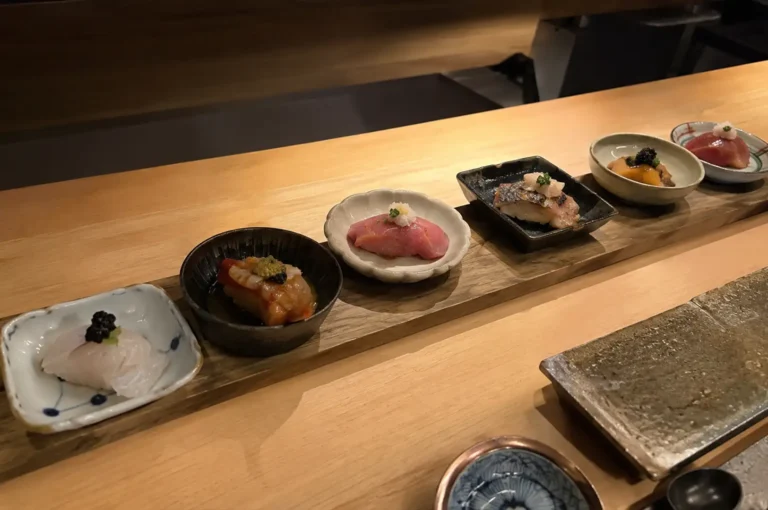
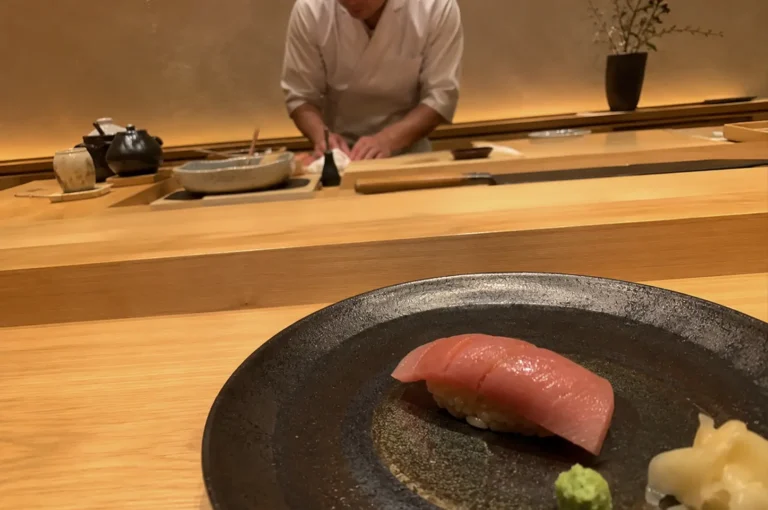
Not just the taste of the uni or the richness of the otoro, but the rare feeling of being somewhere nothing was done carelessly. In a world filled with shortcuts, there is comfort in watching someone still believe details deserve patience.
At the omakase counter, every movement seemed small on its own.
But together, they created something that never once felt accidental.