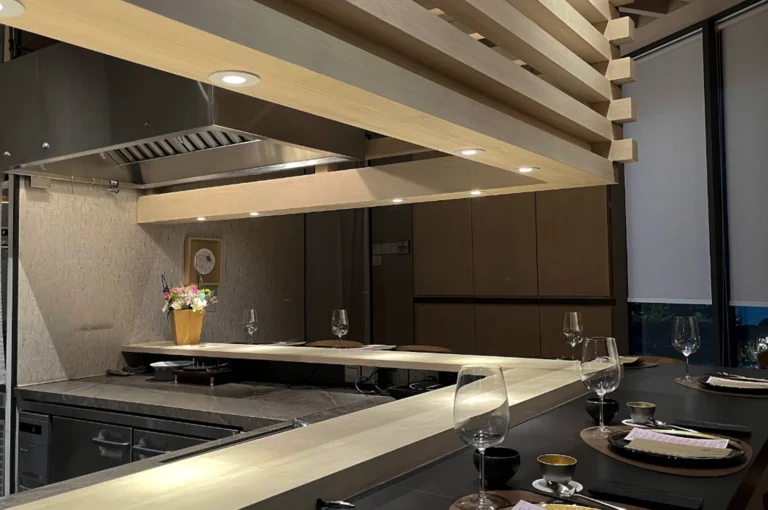
When you settle into an omakase restaurant, the visual language speaks in whispers clean wooden surfaces, tools arranged with quiet purpose, an atmosphere that seems to breathe rather than bustle. Yet through countless evenings spent observing this delicate craft, I’ve come to understand that what separates a memorable meal from a transformative one unfolds in the spaces between these visible elements. Finding the best omakase in Singapore asks us to look beyond what catches the eye, toward the subtle rhythms that define true craftsmanship.
This exploration invites you to discover what truly elevates a Japanese omakase experience. Together, we’ll consider how the finest spaces create their magic from the gentle orchestration of timing to the way each ingredient becomes the quiet center of its moment. These reflections come from real encounters across counters, moments that reveal the deeper qualities of authentic omakase.
The Counter Is the Dining Experience, Not Just the Seating
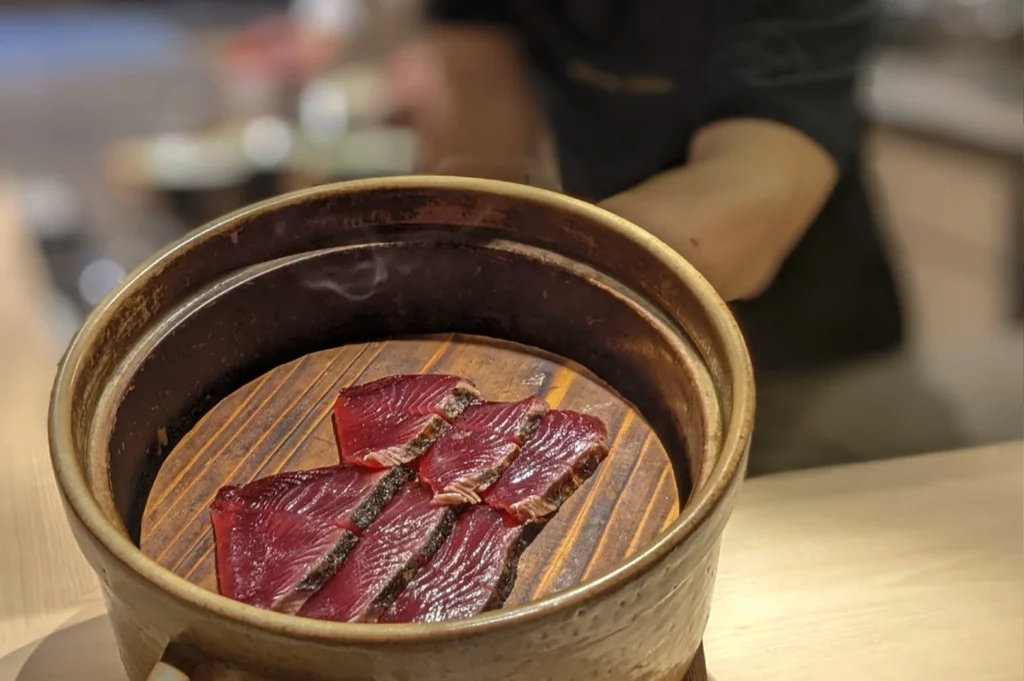
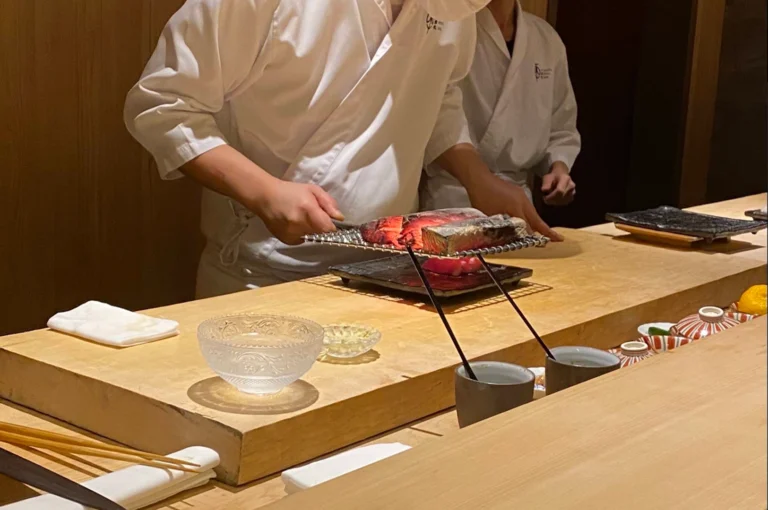
In many Japanese restaurants, tables offer the comfort of private conversation. But here, at the sushi counter, intimacy takes a different form. The seating feels purposefully close, almost conspiratorial. When thoughtful designers craft a new space or honor a revered tradition, those counter seats become bridges rather than barriers, connecting you directly to the chef’s quiet choreography.
This closeness matters in ways that touch both technique and heart. It allows each piece to reach you in that perfect moment when temperature and texture align. A table, however nearby, introduces distance that changes everything—the rice cools slightly, the fish loses that precise give against your palate. True sushi omakase exists in that immediate exchange, a conversation that happens through taste rather than words.
Pacing Is Controlled by the Chef in Every Japanese Omakase
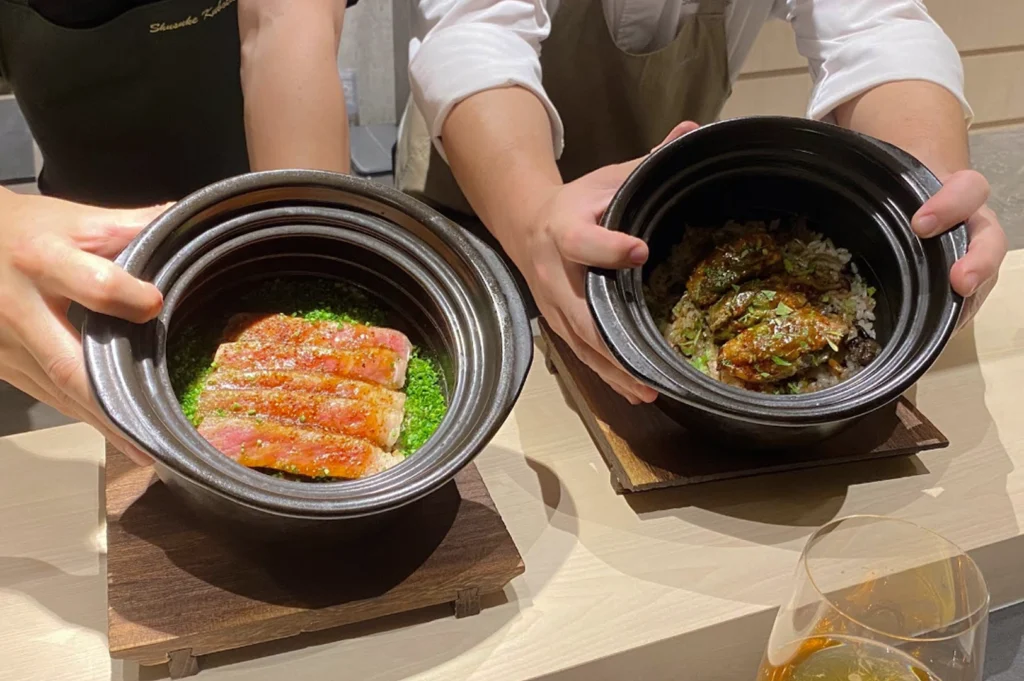
What strikes me most about exceptional omakase is its sense of time, unhurried yet purposeful. The rhythm belongs entirely to the chef, creating a gentle current that carries you through the meal. Whether you find yourself at a midday counter or settling in for an evening’s journey, this careful calibration builds something larger than individual flavors.
Often beginning with something light and welcoming, the progression moves through delicate sashimi and warm preparations before the sushi courses unfold. A thoughtful chef reads the room, watching how guests receive each course, adjusting the flow with barely perceptible shifts. Too much haste disrupts this delicate balance. The timing becomes part of the taste itself, keeping the temperature of pristine seafood and seasoned rice in that sweet spot where they speak to each other perfectly.
Every Piece Is Served with Intent at an Omakase Restaurant
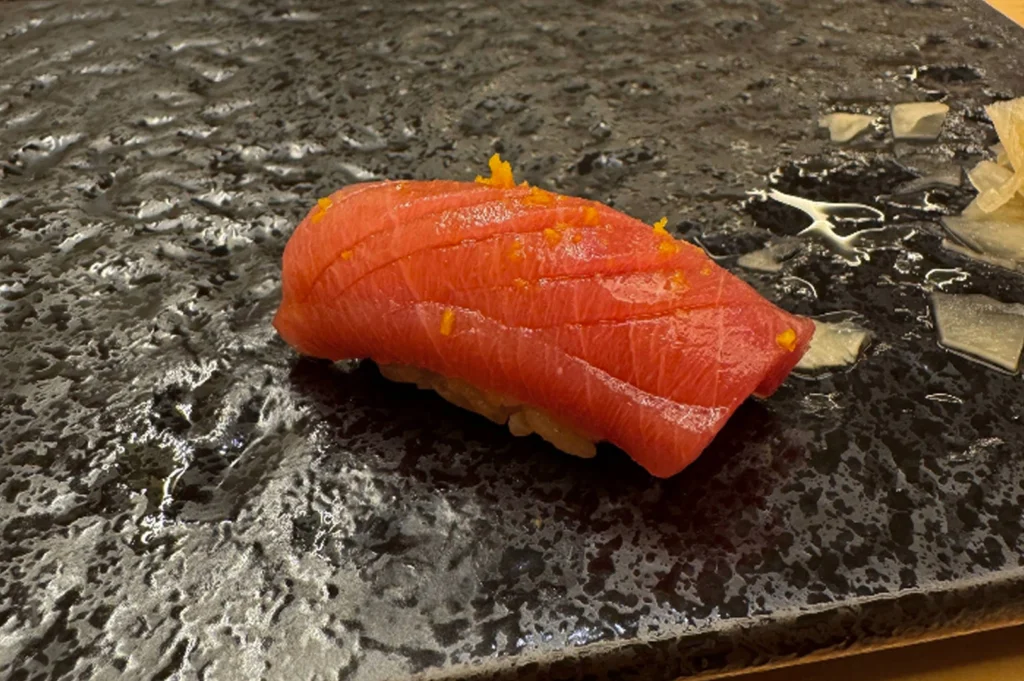
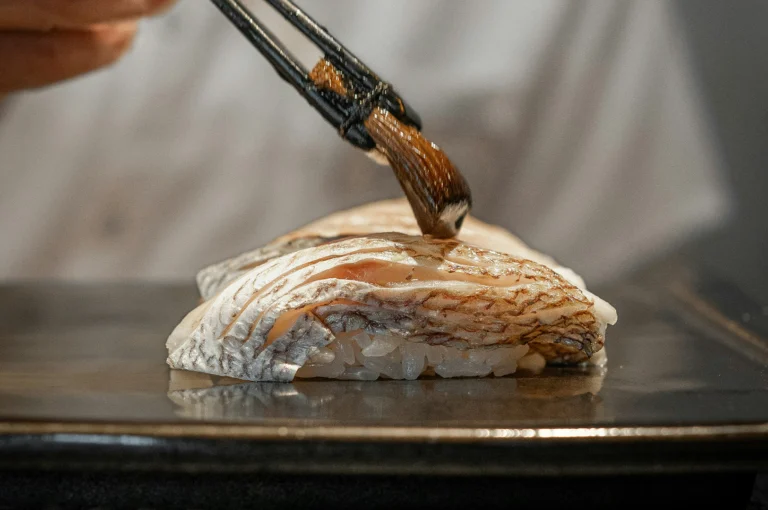
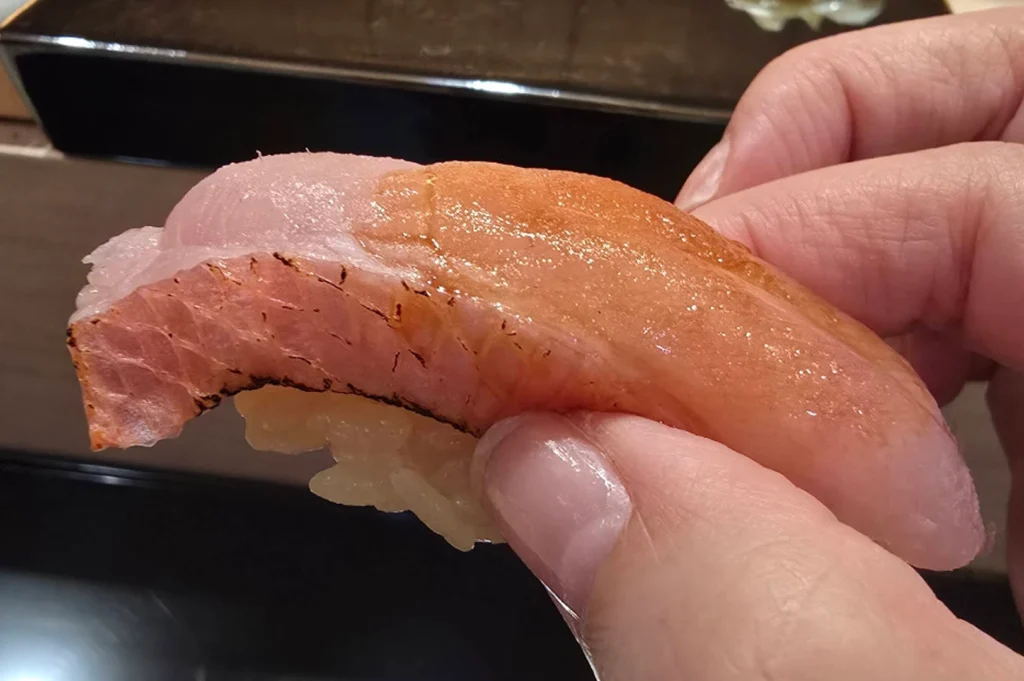
When you receive a carefully crafted piece, there’s a sense that nothing about it happened by accident. Every element feels considered, from the precise cut that allows seasonal fish to settle perfectly over the rice to the temperature that makes each bite feel complete.
You’ll notice that exceptional counters rarely offer you soy sauce to blend with wasabi. The seasoning choices have already been made for you, with exactly the amount of salt or sauce needed to let the ingredients shine. Whether it’s the creamy richness of sea urchin or the delicate sweetness of golden eye snapper, each piece arrives seasoned for that specific moment, that particular flavor.
The Omakase Menu Is Flexible, Even When It Looks Fixed
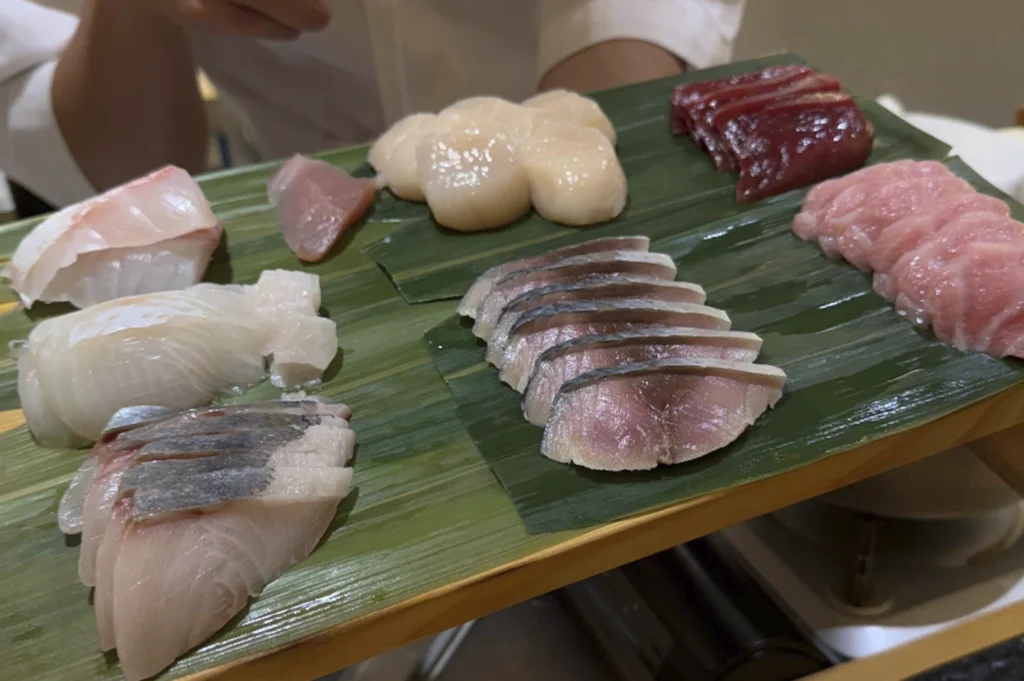
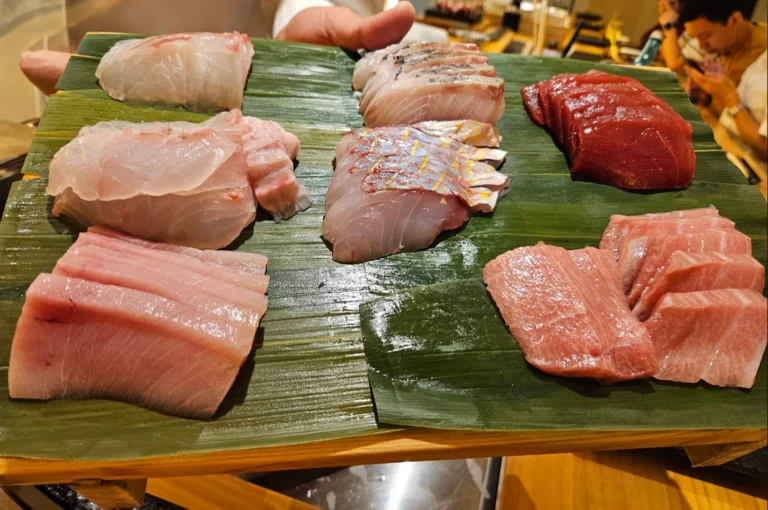
A genuine omakase menu breathes with the seasons, never quite the same twice. It bends toward what the Toyosu market offers that particular week, honoring both tradition and the moment’s possibilities.
The best chefs allow seasonal ingredients to guide their choices. If a particular fish doesn’t meet their quiet standards, they’ll set it aside for something better, trusting their instincts over fixed plans. Even the warm dishes perhaps a delicate tempura or comforting soup shift with the weather and the day’s catch. There’s something beautiful about how skillful chefs weave in special requests or dietary considerations shared during reservation, proving that flexibility and precision can dance together.
Simplicity and Quality in Affordable Omakase Experiences
It’s tempting to equate luxury with complexity, but often the reverse proves true. The most confident chefs trust their finest ingredients to speak without elaborate accompaniment, letting purity replace showmanship.
This philosophy holds even when exploring more accessible omakase experiences. An affordable omakase doesn’t compromise quality; it often sharpens the focus on what matters most. You’ll see restrained plating, visual complexity stripped away so premium ingredients can reveal their true character. This approach highlights the precision of knife work and the natural beauty of each piece of fish or seafood, creating impact through subtlety rather than spectacle.
Interaction Is Subtle but Important During Lunch Omakase and Dinner
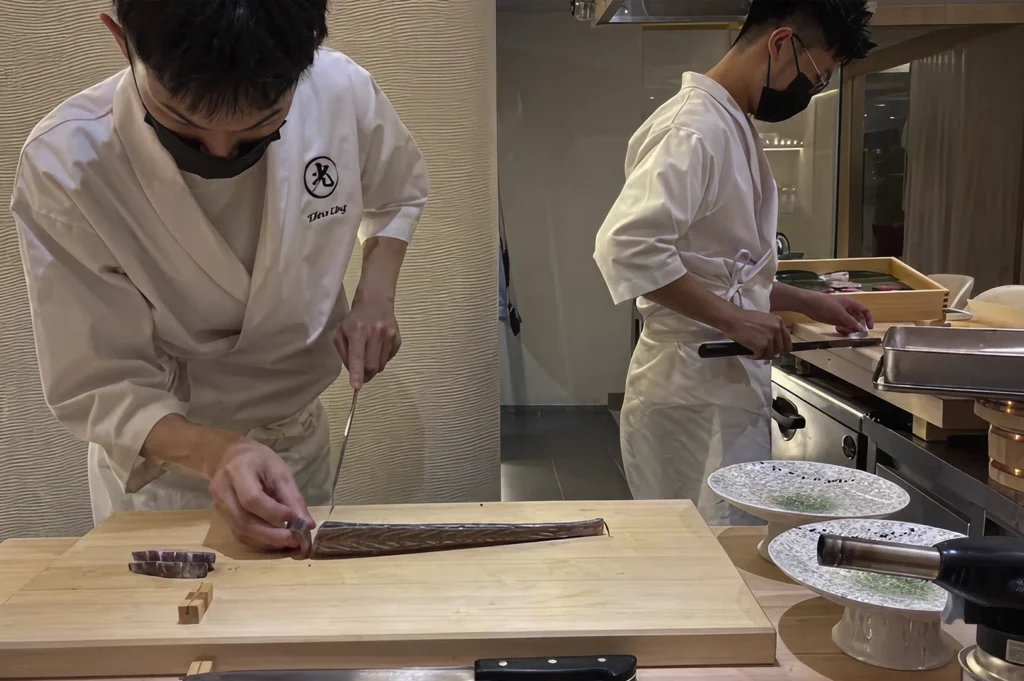
The way a chef communicates shapes the entire atmosphere, creating either gentle conversation or focused reverence. Some prefer rich dialogue, others work in thoughtful silence, each approach offering its own kind of connection.
A skilled chef notices everything, how you respond to smaller portions of rice, which techniques capture your attention, the slight pause that suggests particular enjoyment. This quiet observation allows them to adjust the progression without interrupting the flow, making each guest feel genuinely seen. It transforms an ordinary lunch or dinner into something that feels crafted specifically for you, creating intimacy through attention rather than words.
Reviewing the Lunch Omakase Menu and Dinner Omakase Menu Differences
Understanding the gentle differences between daytime and evening experiences can help you choose the moment that suits your mood and time.
The Lunch Omakase Menu
A lunch omakase feels more direct, designed for the natural rhythms of midday dining. Lunch courses tend to move with purpose, honoring both the chef’s technique and your afternoon schedule. You might encounter fewer warm dishes and a more focused progression through nigiri, offering an excellent window into the chef’s approach and the restaurant’s signature style in a format that respects time while never feeling rushed.
The Dinner Omakase Menu
Evening omakase invites a more expansive journey. The longer format allows for deeper exploration of Japanese culinary tradition. You’ll likely experience a broader range of warm preparations, intricate appetizers, and perhaps a thoughtfully curated sake selection that develops alongside the meal. The pacing becomes more leisurely, creating space for the full arc of the experience to unfold, often concluding with a carefully chosen dessert that feels like a gentle conclusion to the conversation.
Planning Your Visit: Opening Hours and Somerset Locations
While exceptional counters can be found tucked into quiet corners throughout Tanjong Pagar or along South Bridge Road, certain neighborhoods have developed their own culinary rhythms and concentrations of talent.
When planning your next visit, consider exploring areas known for their thoughtful curation of dining experiences. Somerset has quietly established itself as home to some particularly refined sushi venues. Here, you can often observe many of the qualities we’ve discussed, intimate counter seating that creates connection, chefs who understand the subtle art of timing and interaction. For a deeper look at what this neighborhood offers, you might explore the journey through Somerset food omakase.
Exploring Other Notable Omakase Restaurants in Singapore
Singapore’s omakase scene is rich and varied, offering options that cater to different tastes, budgets, and dining preferences. Beyond Sushi Masa by Ki-setsu, several other renowned restaurants contribute to the vibrant landscape of omakase dining in Singapore. Sushi Jin is a celebrated name known for its impeccable sushi craftsmanship and seasonal omakase sets that highlight premium seafood sourced from renowned markets. Its intimate setting and chef-curated menus make it a favorite among sushi enthusiasts seeking authentic Japanese flavors. Ryo Sushi offers a new concept in omakase dining, blending traditional techniques with innovative presentations. Their seasonal omakase menus are thoughtfully crafted, often featuring unique ingredients such as gold flakes to elevate the visual and taste experience, all while maintaining a reasonable price point.
Sushi Muni is another standout, specializing in traditional Edomae sushi with a focus on high-quality seasonal seafood. Its limited seating and attentive service create a personalized dining experience that emphasizes the artistry of the chef and the purity of the ingredients. Sushi Yujo is well-regarded for its range of omakase sets, offering both lunch and dinner options that showcase a balance between classic and contemporary Japanese cuisine. The restaurant’s commitment to sourcing fresh, seasonal ingredients ensures a dynamic menu that reflects the best of the season. These restaurants, among others in Singapore, contribute to a diverse omakase scene where each chef curates menus that celebrate seasonality, craftsmanship, and the intimate dining experience. Whether you seek a refined, traditional meal or a new concept with creative flair, Singapore’s omakase restaurants offer something for every discerning palate.
The Art of Omakase: A Culinary Journey’s Grand Finale
Not every omakase feels the same. Some spaces invite quiet contemplation, others encourage warm exchange. Yet the foundations of exceptional omakase counters remain remarkably consistent across the finest Japanese restaurants.
A truly exceptional omakase meal reveals itself not through price or popularity, but through subtler measures the chef’s gentle control over rhythm, their deep respect for seasonal ingredients, and the quiet intention behind every piece they place before you. When these elements align, you find yourself no longer simply having dinner, but participating in something that feels both ancient and immediate, a tradition that honors both precision and the simple joy of sharing beautiful food with care.