There’s something quietly profound about settling into an omakase experience, where the simple phrase “I’ll leave it up to you” opens the door to a culinary conversation that unfolds course by course. This trust is placed gently between chef and guest creates space for something deeper than dining. Here, each dish becomes a whispered story, connecting us to the rhythms of seasons, the precision of craft, and the patient artistry that transforms ingredients into moments we carry long after the meal ends.
Omakase storytelling also emphasizes the importance of mindfulness and presence. Each course encourages diners to slow down and fully engage with the flavors, textures, and aromas presented. This mindful approach transforms eating from a routine act into a meditative experience, allowing guests to connect more deeply with the moment and the chef’s intentions. In this way, omakase becomes not just a meal, but a meaningful ritual that nourishes both body and soul.
The Origins and Philosophy of Omakase
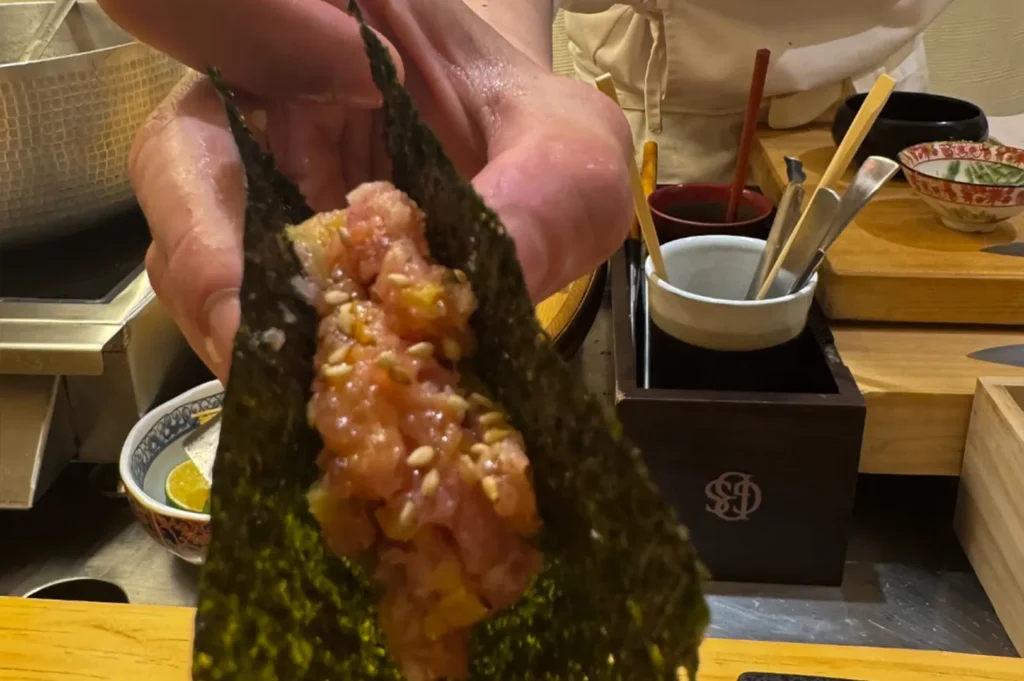
The tradition began humbly, at sushi counters where chefs worked with whatever the day brought from the sea. There’s a beautiful simplicity in this letting seasonality guide the experience, trusting in the chef’s understanding of what feels right in this moment, on this day. Watch closely and you’ll notice how each course builds upon the last, creating a gentle progression that honors both the ingredient’s peak moment and the diner’s journey through flavors and textures that somehow feel both surprising and inevitable.
The Moment of Reflection in Omakase
After the final course, there is often a quiet moment of reflection shared between chef and diner. This pause allows the guest to absorb the entire narrative told through the meal and to appreciate the journey of flavors and stories experienced. It is in this moment that the full impact of the omakase storytelling becomes clear, leaving a lasting impression that goes beyond taste to touch on memory and emotion.
Fascinated by the Details: The Diners’ Perspective
Guests often find themselves fascinated by the intricate details of omakase storytelling, the careful selection of each ingredient, the precise techniques, and the subtle cues in presentation. This fascination deepens their engagement, turning dining into an immersive experience where curiosity and appreciation grow with every bite. Diners become active participants in the storytelling, eager to learn and savor the layered meanings behind each dish.
The Role of the Chef as Storyteller
Behind the counter, the chef works with quiet intention, selecting each piece of fish, adjusting the temperature of rice, calibrating the pressure of each cut. These aren’t just technical decisions, they’re choices that speak to something deeper. As sashimi gives way to nigiri, as delicate preparations yield to bolder expressions, the chef is crafting a narrative that reveals not just skill, but understanding. Watching this unfold, feeling the rhythm of knife against board, you begin to sense the passion that drives each precise movement, each thoughtful pause.
Discover more about the vital role of trust between chef and guest in creating a truly memorable omakase dining experience.
Seasonal Ingredients and Culinary Craftsmanship
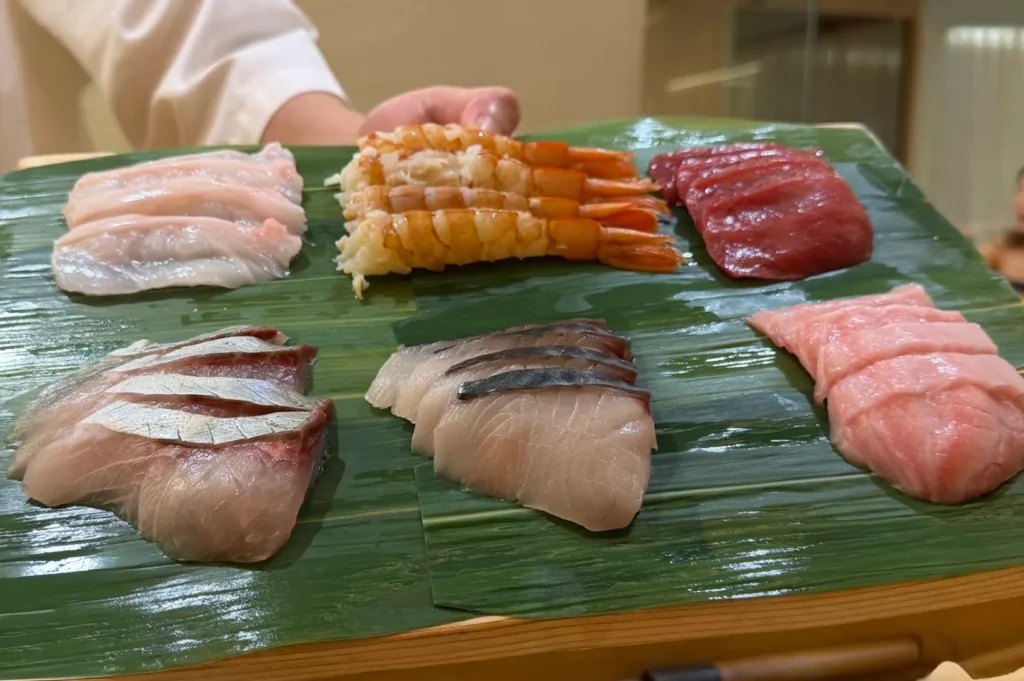
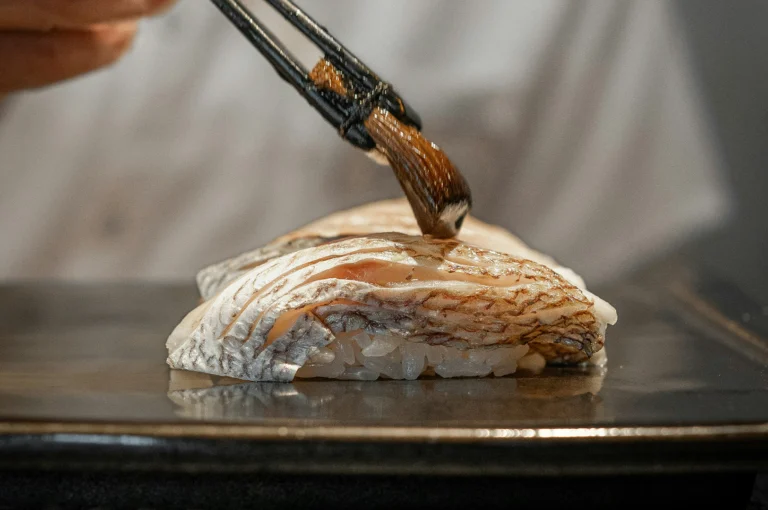
The menu breathes with the seasons, shifting as naturally as the weather itself. Spring arrives with tender bamboo shoots and the clean sweetness of sea bream; autumn whispers through matsutake mushrooms and the rich depth of sanma. This isn’t simply about freshness though that matters deeply but about honoring the natural progression of time and place. The chef’s knowledge becomes a bridge between the ingredient’s story and your experience of it, ensuring that each bite carries the weight of its perfect moment.
The Influence of Street Food and Quality Ingredients in Omakase Storytelling
Omakase storytelling is deeply rooted in the use of quality ingredients, often sourced with great care to reflect the best each season and region can offer. While omakase is typically associated with refined sushi restaurants, its philosophy shares a connection with street food traditions around the world, where simple, fresh ingredients tell powerful stories of place and culture. The chef’s selection of seafood, for instance, is not just about taste but about honoring the natural environment and the history carried by each catch. This focus on quality ingredients invites diners to explore the world through their plates, forging a deep connection between the person eating and the nature that nurtured the food.
The Role of Characters and Backstory in Omakase Experiences
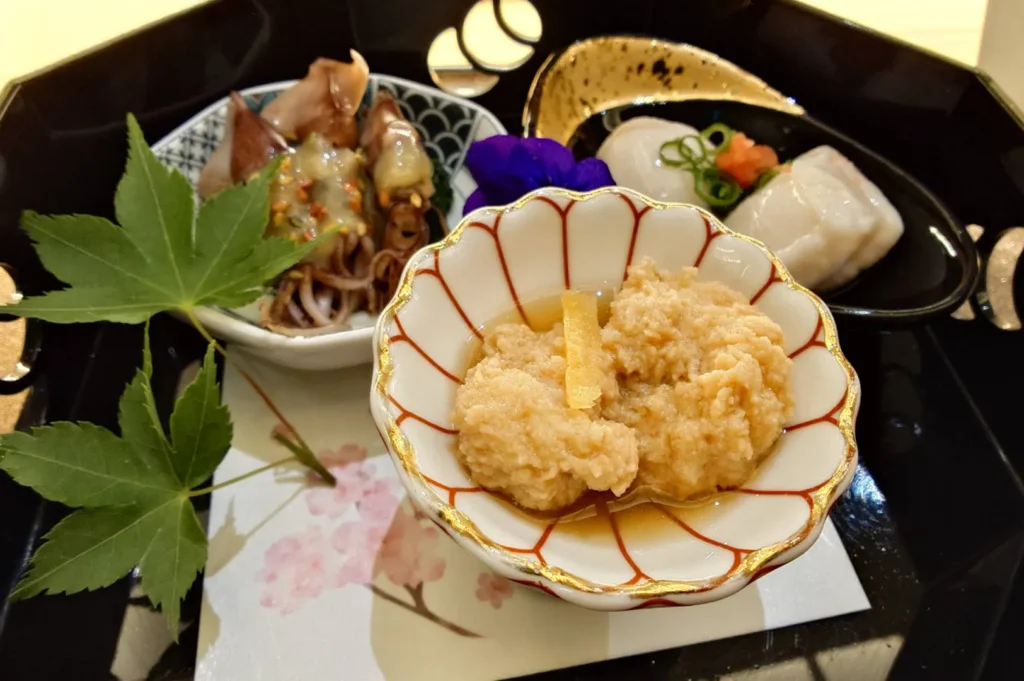
In some omakase storytelling, like in Weike Wang’s written work, the meal becomes a stage where characters and their relationships unfold alongside the cooking process. The chef, the guests, and even the staff all play parts in a narrative that goes beyond food. Each dish can be seen as a character with its own backstory, prepared with intention and served with words that describe its origin and meaning. This storytelling process invites readers and diners alike to sit, listen, and savor not only the plate but the truth and history behind it, making the experience both personal and universal.
Exploring the Process: From Preparation to Presentation
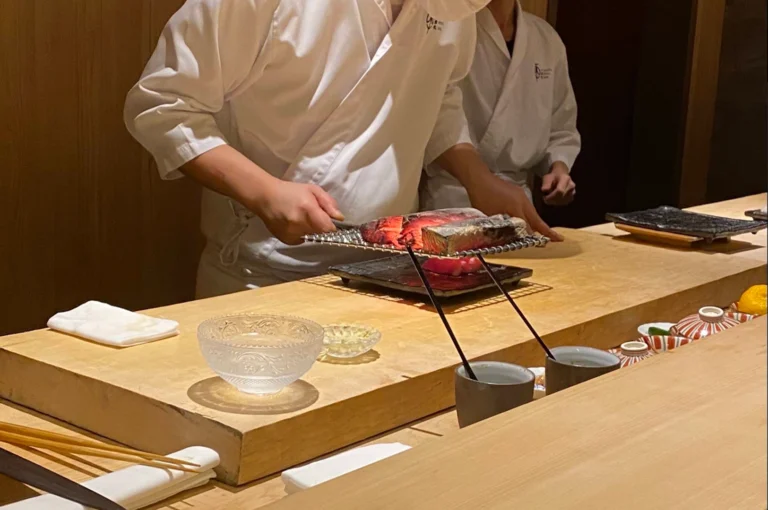
The cooking process in omakase is a carefully choreographed journey that highlights the chef’s craftsmanship and respect for ingredients. From the moment quality seafood arrives to the final plating, every step is deliberate and meaningful. Grilled items, delicate sashimi, and thoughtfully paired cocktails serve as chapters in the meal’s story, each designed to evoke a particular emotion or memory. Diners are reminded that the experience is not just about eating but about engaging with a living tradition that connects us to history, culture, and life itself.
Cultural Significance and Emotional Connection
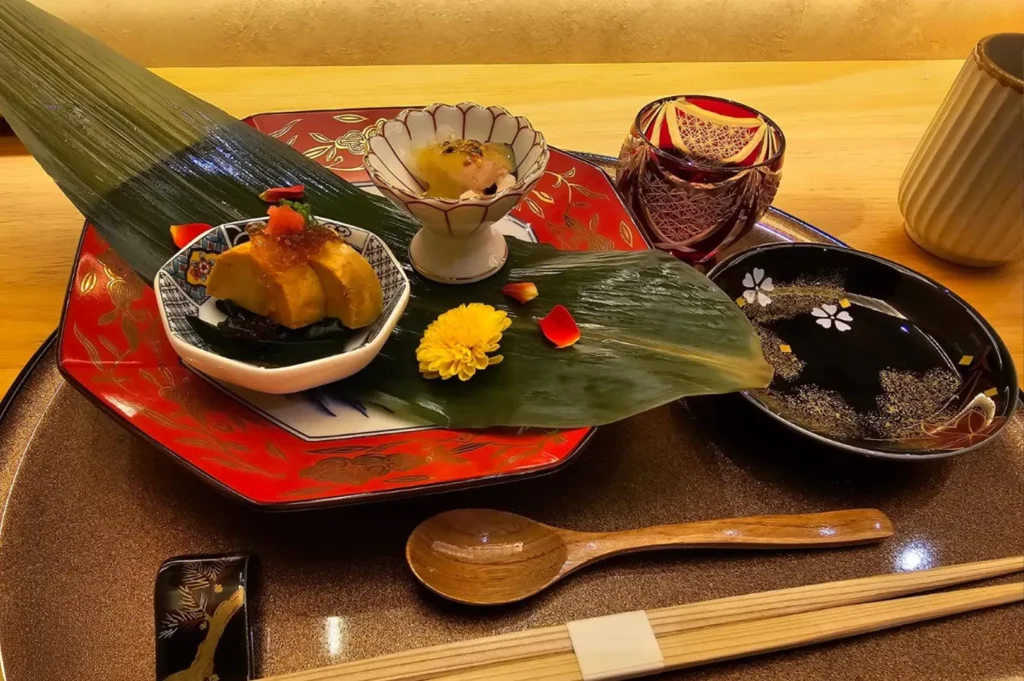
Beneath each course lies something more substantial than technique. The accumulated wisdom of generations, the careful preservation of traditions that connect us to something larger than our immediate experience. The rice holds memory; the fish carries the knowledge of tides and seasons. When we slow down enough to truly taste, we’re not just experiencing flavor, but participating in a conversation that spans time, honoring the hands and hearts that have shaped these traditions into what we encounter today.
Experiencing Omakase: A Memorable Journey
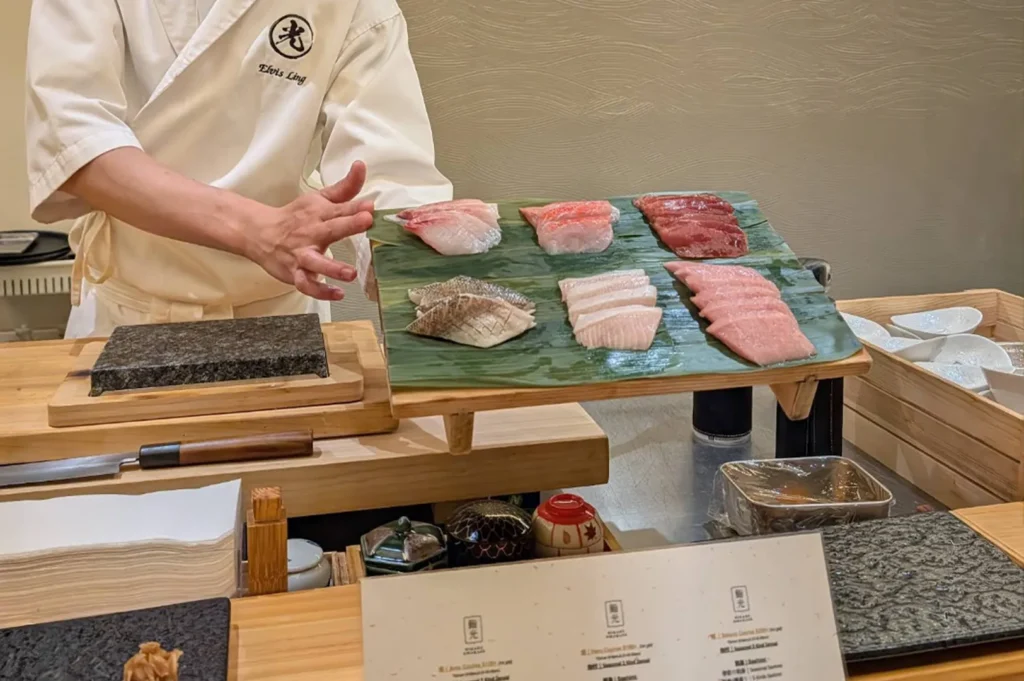
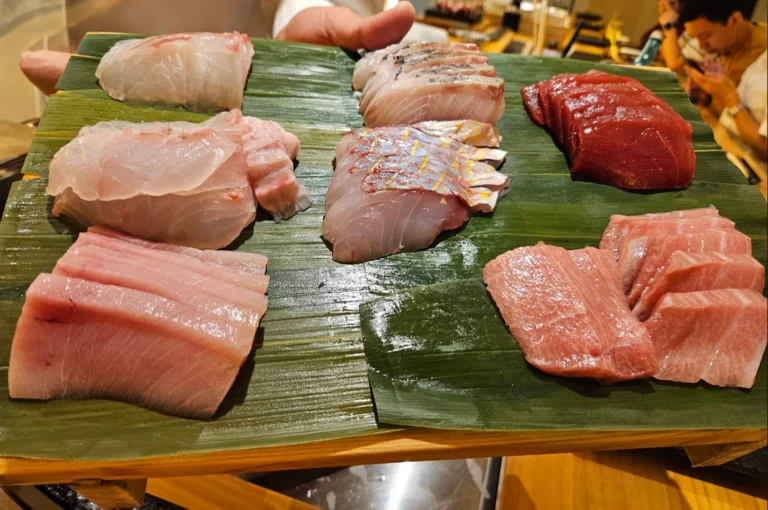
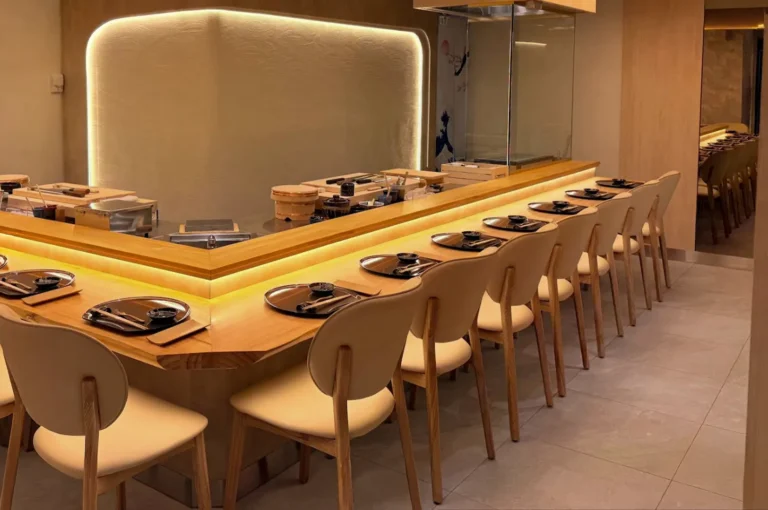
The experience asks something of us, a willingness to set aside expectation and surrender to the chef’s vision. From that first piece of sashimi, with its clean brightness, through the final course where flavors have built into something complete and satisfying, we’re invited to notice, to appreciate, to discover. The intimacy of the counter, the careful presentation, the quiet conversation between preparation and taste all of this contributes to moments that feel both personal and universal, leaving us changed in ways that surprise us.
The Impact of the Michelin Guide on Omakase Storytelling
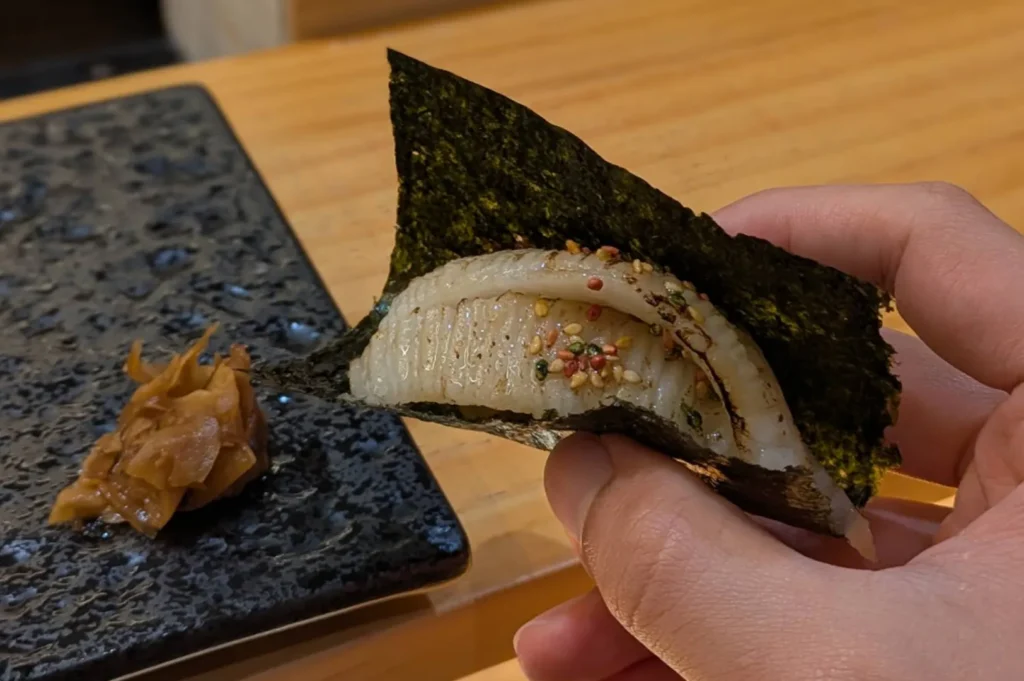
The Michelin Guide has played a significant role in elevating the global appreciation of omakase storytelling. By recognizing restaurants that embody the highest standards of culinary craftsmanship and narrative through food, it has inspired chefs to refine their approach and diners to seek deeper connections with their meals. This recognition not only highlights the chef’s skill but also the secret nuances and inspired techniques that make each omakase experience unique. For example, Michelin-starred omakase chefs often share stories about ingredient sourcing and preparation, inviting guests to decide how they engage with the meal’s unfolding narrative.
The Secret Language of Omakase: How Chefs Talk Through Food
Omakase storytelling is not just about the dishes served but also about the subtle communication between chef and diner. Chefs use plating, ingredient selection, and pacing as a secret language to guide the guest’s experience. This dialogue invites diners to decide how they interpret each course, creating a personal narrative that goes beyond taste. The chef’s talk, whether explaining a recipe’s history or the seasonality of ingredients deepens this connection, making each meal a unique story that is both told and felt.
Conclusion: The Art and Soul of Omakase Storytelling
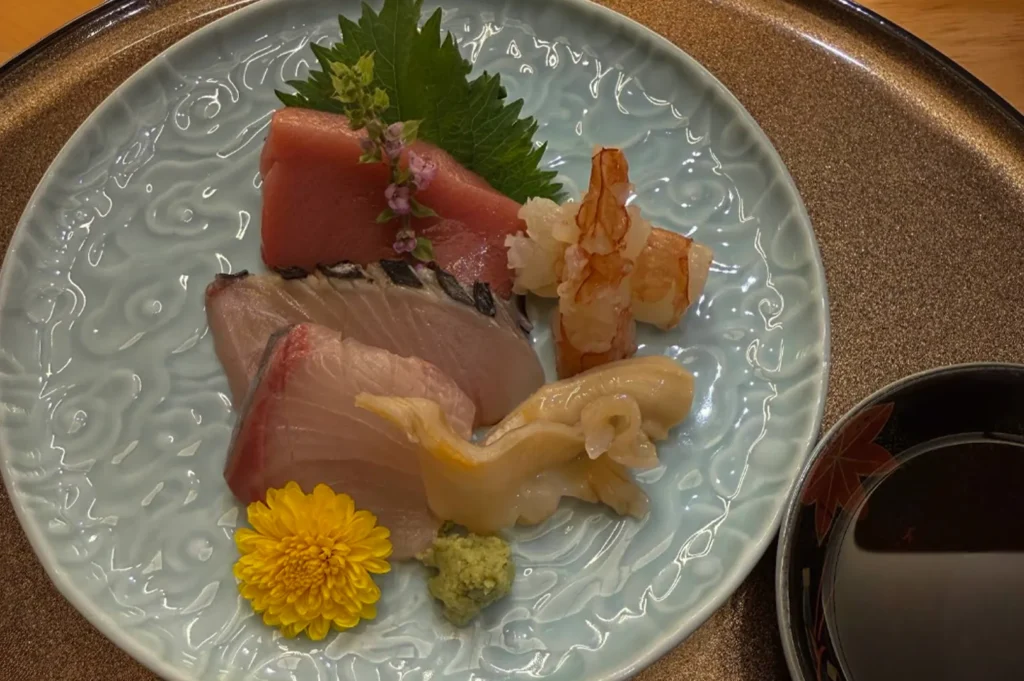
This is what omakase offers: an invitation to trust, to slow down, to discover how food becomes art when approached with patience and respect. The chef’s passion meets our willingness to be surprised, creating a dialogue that transcends the simple exchange of money for meal. Whether we find ourselves at a counter in Tokyo or anywhere else this tradition has taken root, we’re participating in something timeless, a celebration of craft, culture, and the quiet connections that food can create when we allow ourselves to truly taste what’s being offered.
For those seeking an authentic omakase storytelling experience that captures the essence of Japan, discover the best Japanese omakase Singapore has to offer.