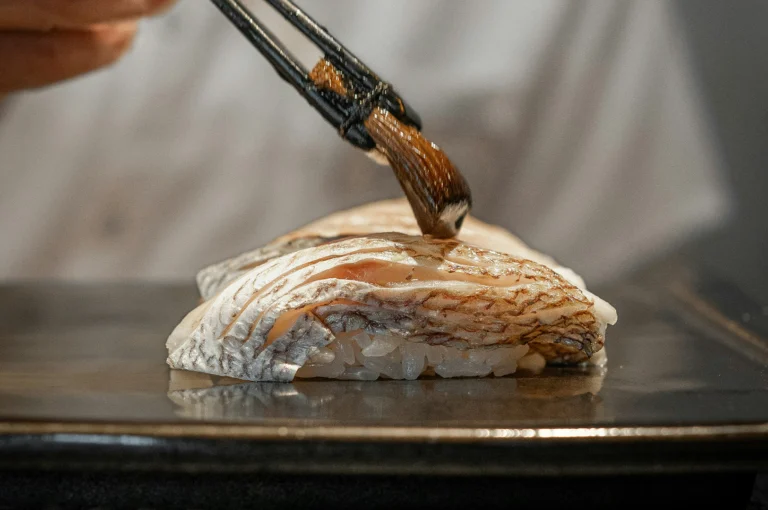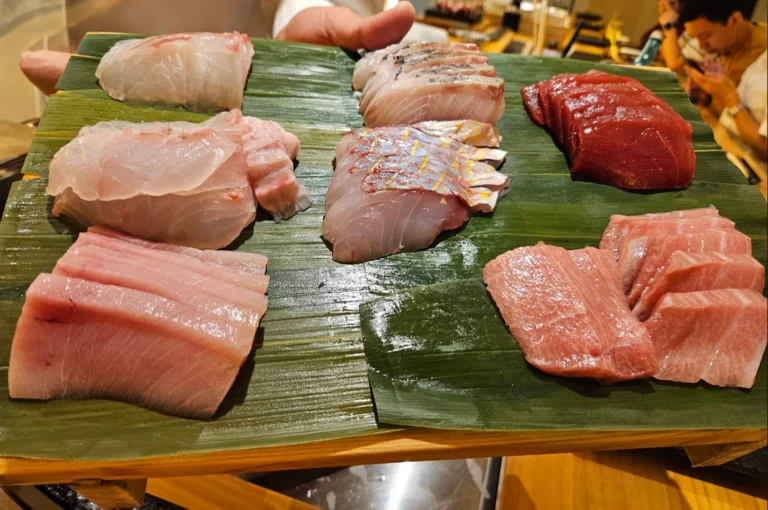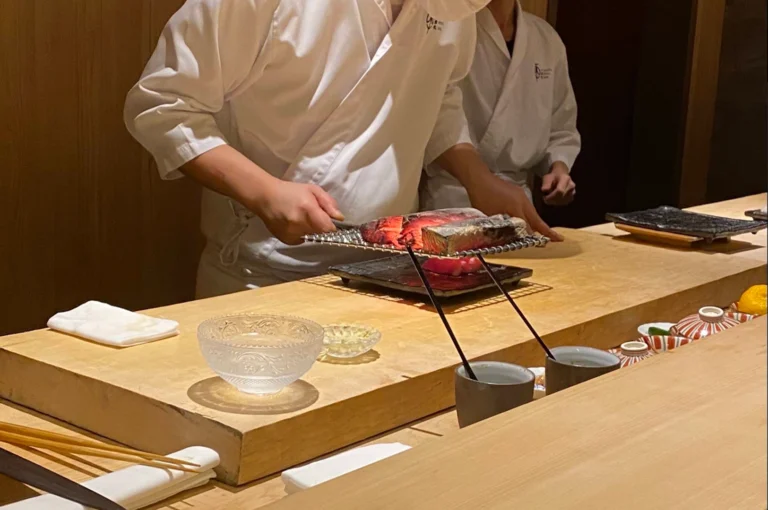
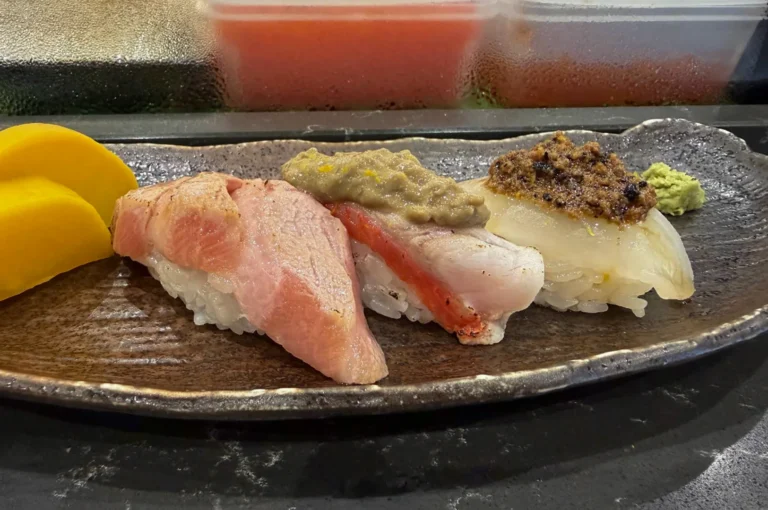
An omakase dining experience unfolds as something deeper than sustenance; it becomes a quiet conversation between chef and diner, where seasonal ingredients tell their stories through careful hands that have spent years learning to listen. The essence of omakase “I’ll leave it up to you” rests in this gentle surrender, trusting someone whose understanding of fish, rice, and time has been earned through countless hours of practice and observation.
What draws me to Singapore’s omakase scene is how thoughtfully these experiences honor tradition while allowing for personal expression. Some chefs might brush gold flakes across a piece of uni, not for show but to heighten a moment of discovery. Others weave contemporary techniques into classical preparations, each choice made with intention rather than novelty. These touches feel earned when they emerge from genuine understanding, and the best venues tucked quietly into corners of Cuppage Plaza or along the gentle hum of Tras Street create spaces where such conversations can unfold naturally. With only a handful of seats arranged around each counter, these intimate settings allow both chef and diner to settle into the rhythm that makes omakase what it truly is: an unhurried exploration of craft and season, accessible in ways that honor both the tradition and the present moment.
Step into the world of Japanese omakase dining, where every course is a carefully curated journey of flavors and tradition.
The Philosophy Behind Omakase
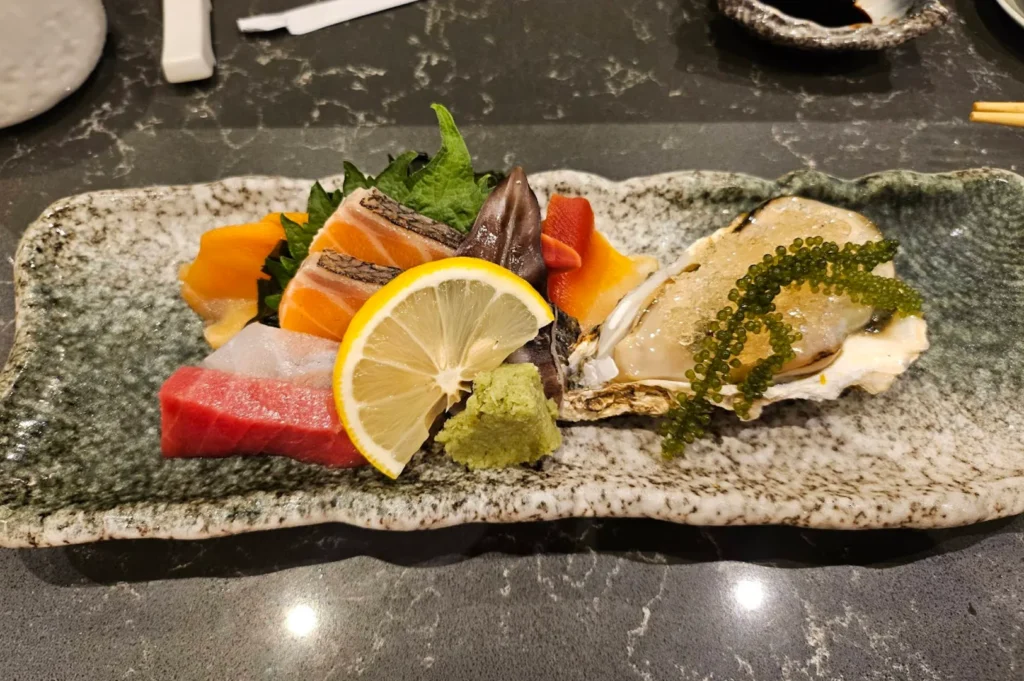
Omakase grows from a particular kind of trust, one that develops when a chef’s daily practice aligns with the changing seasons. Rather than choosing from a menu, diners enter into this ongoing dialogue where the chef’s morning visit to markets like Tokyo’s Toyosu becomes the foundation for evening’s courses. Each meal emerges from what was finest that day, winter’s fatty tuna arriving with different stories than spring’s cherry blossom sea bream creating experiences that shift and breathe with the calendar itself.
Omakase dining in Singapore also reflects the city’s unique culinary landscape, blending authentic Japanese traditions with local expectations for quality and service. Many Japanese omakase restaurants here emphasize sourcing premium seafood directly from Toyosu Market, ensuring that the freshest seasonal ingredients are always at centre stage. This commitment extends to both lunch omakase menu options and dinner omakase courses, allowing diners to experience the full spectrum of Japanese dining style, from lighter lunch courses to more elaborate dinner omakase sets. Whether enjoying sushi omakase or warm cooked dishes, guests appreciate the balance between innovation and respect for classic techniques, often at a reasonable price given the premium seafood involved. This fusion of authenticity and accessibility makes Singapore a notable outpost for omakase cuisine in the region.
Intimate Dining Experience and Sushi Craftsmanship
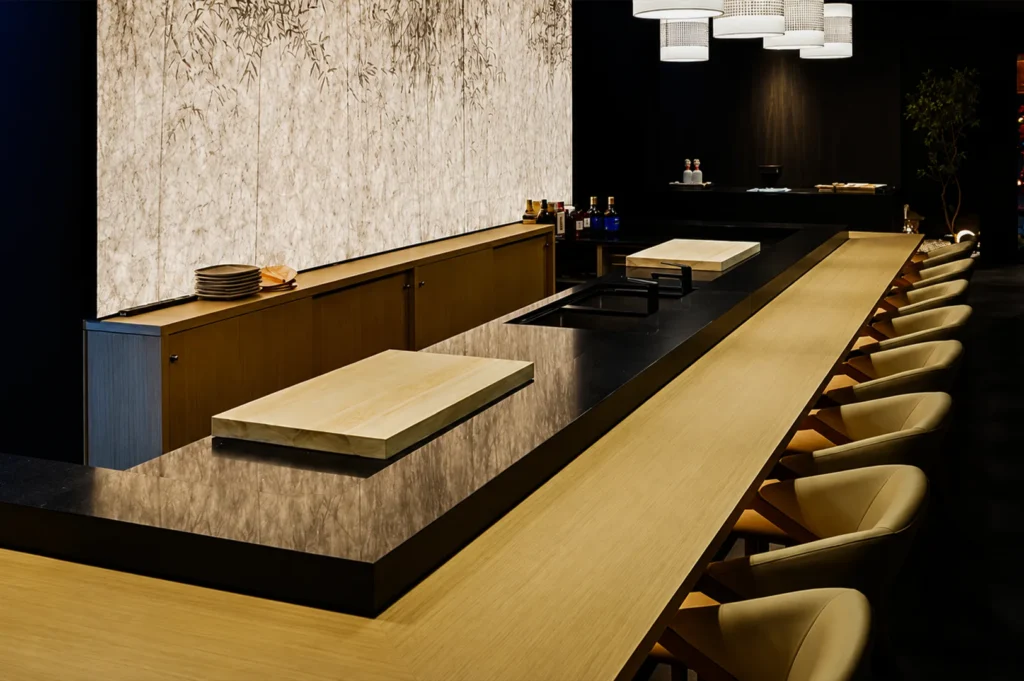
The counter seating that defines most exceptional omakase restaurants, eight to fourteen carefully positioned seats serves a purpose beyond mere proximity. Watching a chef’s knife work, observing how sushi rice receives its gentle seasoning, witnessing the thoughtful pairing of ingredient with technique: these details become part of the meal itself. The intimacy creates space for questions to emerge naturally, for understanding to develop course by course. When craftsmanship happens before your eyes, precision reveals itself not as performance but as conversation, each cut and formation contributing to a larger dialogue about flavor, texture, and time.
Seasonal Tasting Menu Based on Freshest Ingredients
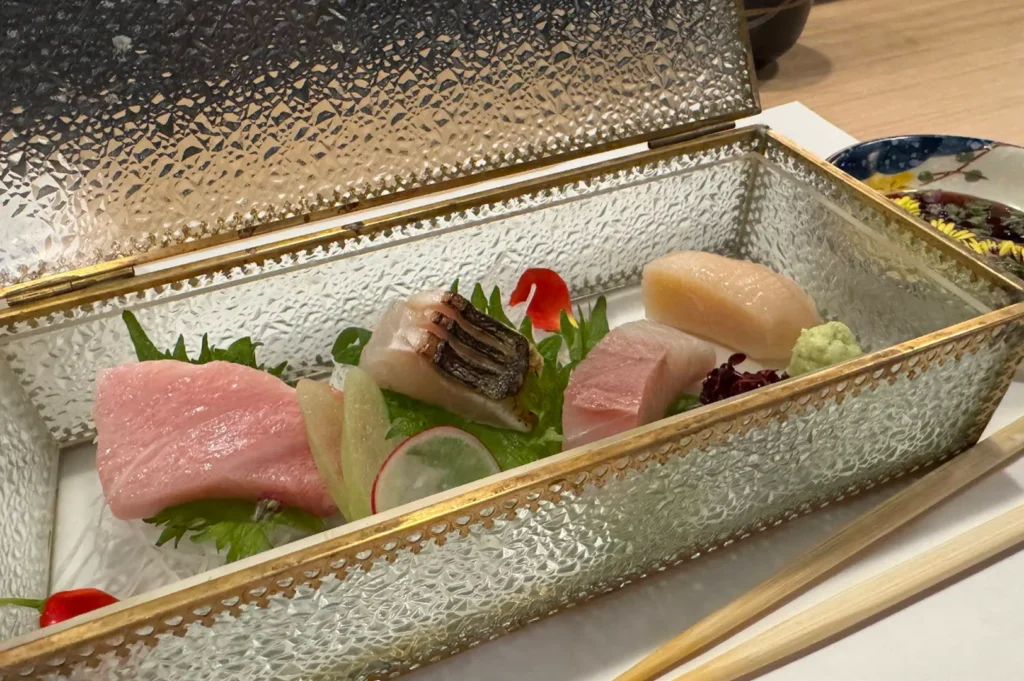
A thoughtful omakase meal moves like the seasons themselves, each course flowing from what the market offered that morning. Winter might bring the rich depth of otoro and the briny sweetness of uni, while spring arrives with lighter, more delicate expressions. The chef’s role becomes one of gentle guidance, creating a progression that honors each ingredient’s particular moment while building toward something greater than the sum of its parts. From opening appetizers through sashimi, nigiri, warm preparations, and closing sweetness, the meal unfolds with the patience that true seasonality requires.
Omakase Dining in Singapore
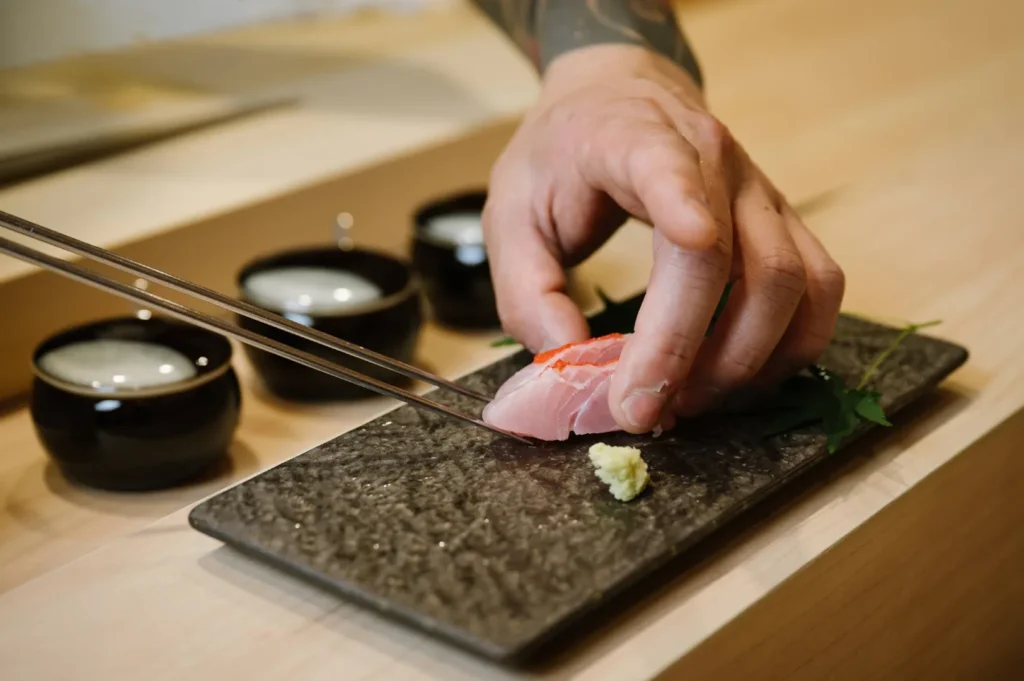
Singapore’s omakase landscape has grown with both respect for tradition and openness to personal interpretation. At Sushi Masa by Ki-setsu, Chef Masa’s eight-seat counter becomes a place where daily flights from Japan meet careful preparation, each course reflecting both seasonal timing and individual sensibility. Venues like Sushi Muni, Sushi Yujo, and Ryo Sushi each offer their own perspective on this dialogue, with omakase options spanning from mindful lunch presentations to more elaborate evening experiences, each finding its own balance between accessibility and refinement.
What to Expect from an Omakase Meal
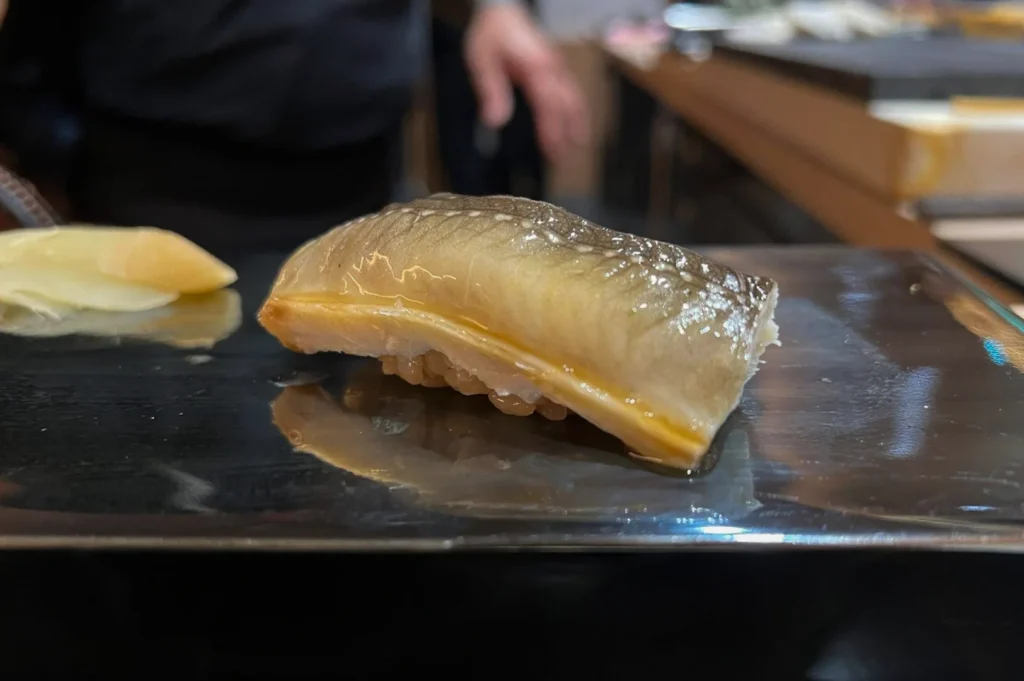
Time moves differently during omakase, expanding to accommodate the two or three hours needed for proper unfolding. Courses arrive with their own rhythm, light beginnings that awaken the palate, seasonal sashimi that speaks to the day’s finest offerings, sushi preparations that showcase both ingredient and technique. Warm dishes provide gentle contrast, while closing sweets offer resolution. The experience asks for presence rather than haste, encouraging diners to meet each course as it arrives and to appreciate the layers of intention that brought it into being.
Etiquette and Tips for Enjoying Omakase
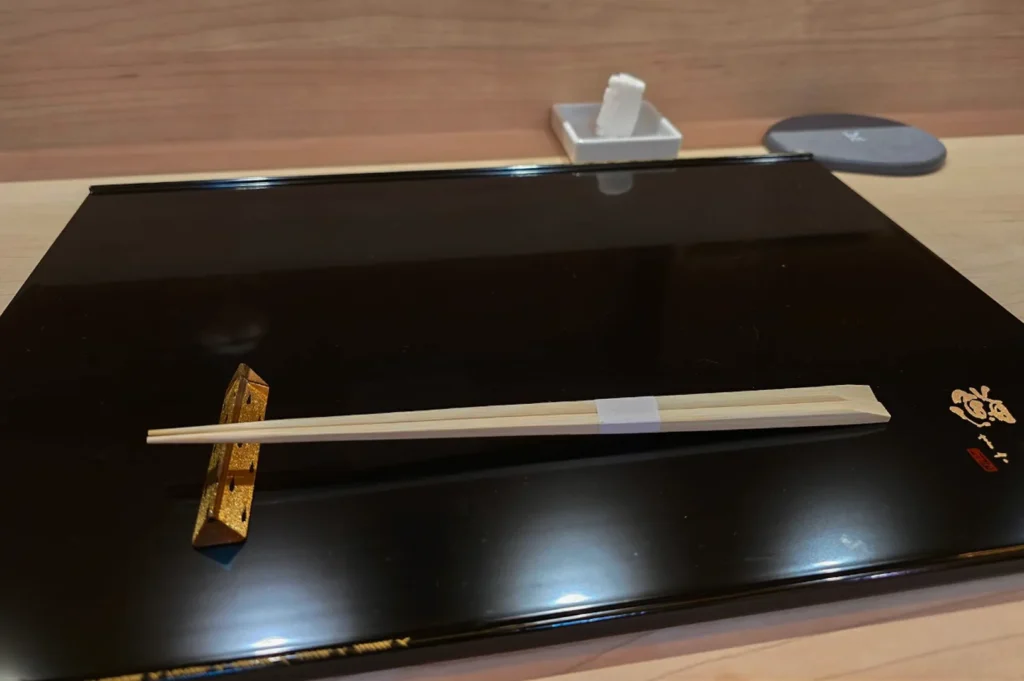
Approaching omakase with openness begins before arrival, sharing dietary needs ahead of time, arriving with time to settle into the experience rather than rushing from elsewhere. Traditional practices like avoiding the mixing of wasabi into soy sauce, eating each piece promptly while temperatures and textures remain optimal: these guidelines serve the food itself, ensuring that careful preparation finds proper appreciation. Counter seating enhances this connection, creating space for curiosity about technique and ingredient, allowing the chef’s knowledge to become part of the meal’s nourishment.
Conclusion
Omakase offers an entry point into Japanese food culture that honors both tradition and the present moment, where seasonality, craftsmanship, and genuine hospitality converge into something memorable. Whether marking special occasions or simply seeking authentic connection with Japanese culinary traditions, Singapore’s omakase restaurants provide spaces where premium ingredients meet careful preparation, where the relationship between chef and diner becomes central to the experience itself. For those drawn to the intersection of technique and feeling that defines exceptional Japanese cuisine, omakase creates moments that linger well beyond the final course.
Ready to experience an unforgettable omakase meal? Discover the best omakase restaurants in Singapore and reserve your seat at the sushi counter today.