There is something special about a small sushi counter. Without the distractions of a large dining room, the focus naturally shifts to the chef, the ingredients, and the small details that shape every bite.
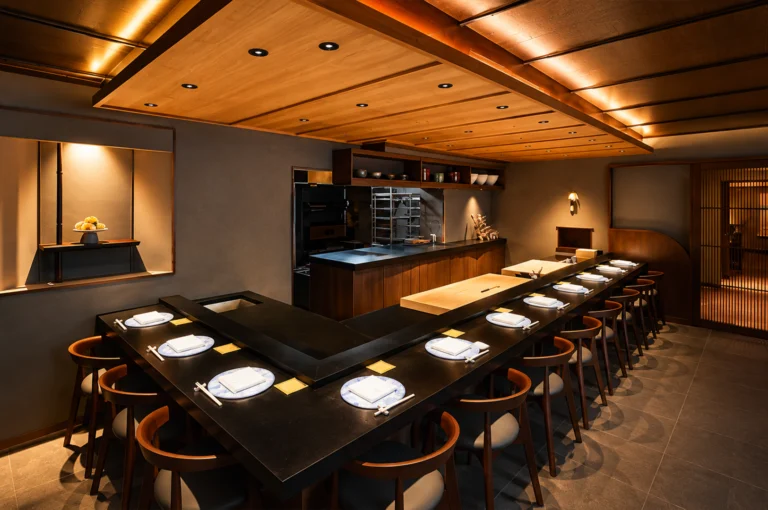
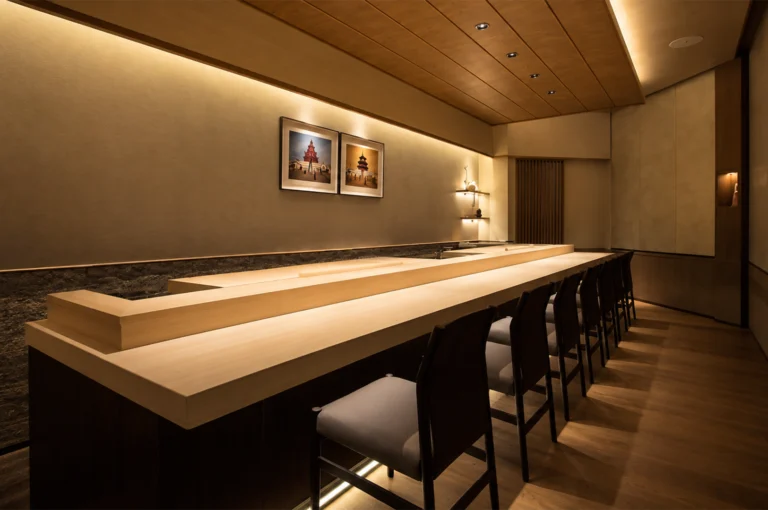
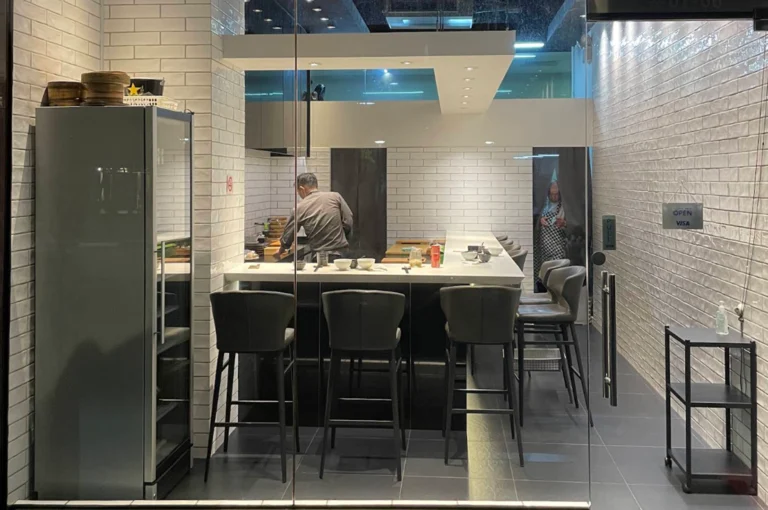
During my visit to Ryo Sushi Singapore, I found that sense of intimacy immediately. Tucked inside the Orchid Hotel in Tanjong Pagar, the restaurant has only eight counter seats, creating a setting where guests can watch each course come together at a comfortable pace.
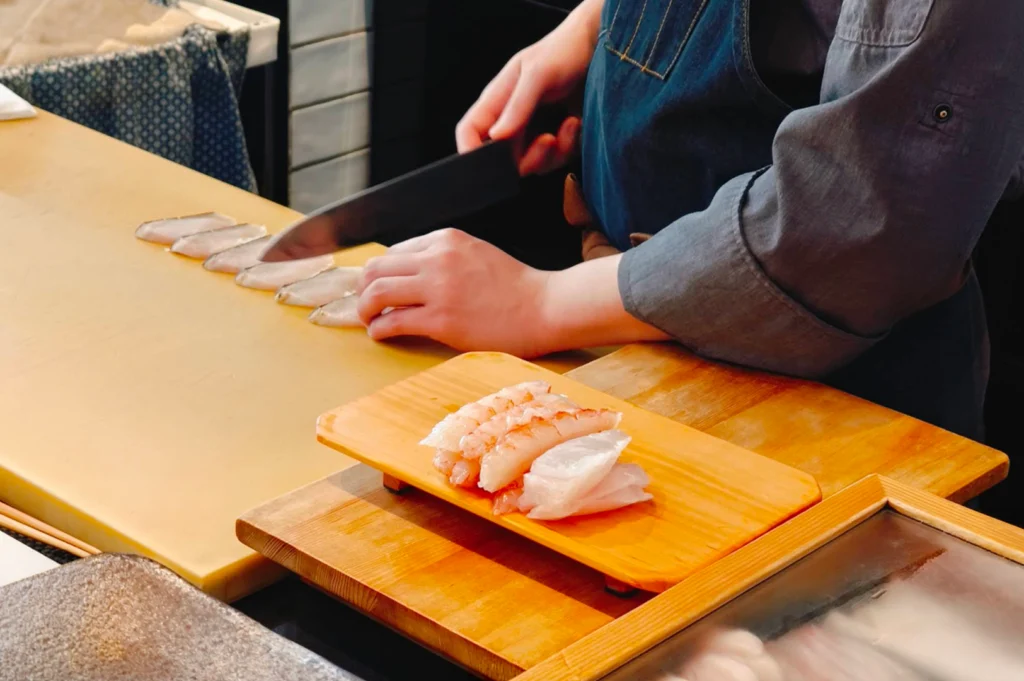
Rather than feeling overly formal, the experience feels personal. You are close enough to notice the chef’s movements, the preparation of each piece, and the quiet rhythm behind a well-executed Japanese omakase meal.
Ryo Sushi Singapore: A Small Counter with Big Attention to Detail
Located at 1 Tras Link, #01-06 Orchid Hotel, Ryo Sushi occupies a discreet space away from the busier streets of Tanjong Pagar. The limited seating is one of the restaurant’s biggest draws, every guest receives a front-row view of the sushi counter.
The counter creates an easy connection between diners and Chef Roy, whose calm approach shapes the atmosphere throughout the meal. There is no rush between courses, allowing each dish to arrive at the right moment.
For those who enjoy watching sushi being prepared rather than simply receiving a plate, Ryo offers the kind of experience where the process becomes part of the enjoyment.
The Japanese Omakase Experience at Ryo Sushi
The omakase at Ryo Sushi follows a thoughtful progression, beginning with lighter dishes before moving into sushi and richer flavours.
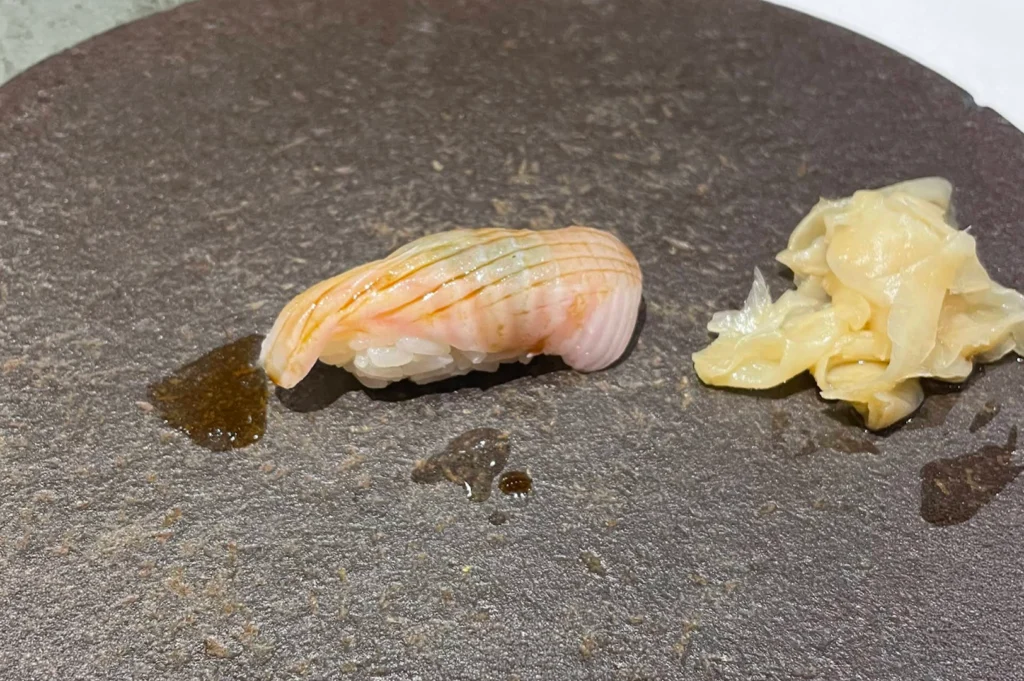
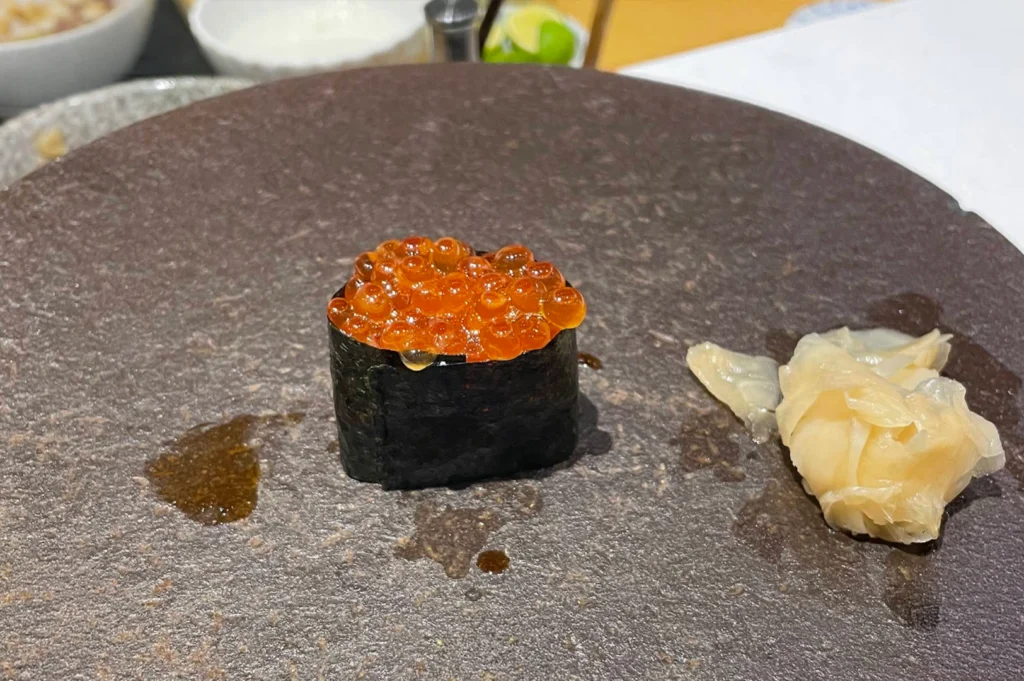
The meal typically introduces diners to carefully selected seafood, including otoro, shima aji, scallop, sea urchin, and ikura, depending on availability. Each course highlights a different texture, from the soft richness of fatty tuna to the delicate sweetness of shellfish.
What I appreciated most was the pacing. The experience did not feel like a simple collection of expensive ingredients. Instead, each dish created a small transition, from fresh fish to warm preparations, from lighter flavours to more indulgent moments.
The result is an omakase experience that feels balanced rather than overwhelming.
What I Tried at Ryo Sushi: From Truffle Onsen Egg to Sushi Courses
The first course immediately set the tone for the meal. The truffle onsen egg was one of the memorable highlights, bringing together the creamy texture of the onsen egg with the deeper aroma of truffle.
The richness of the egg created a smooth opening before the sushi courses began. It was comforting but still elegant, showing that the restaurant is not only focused on raw seafood. As the meal progressed, the sushi became the main focus. The assorted sushi selection allowed different seafood to shine, from delicate shima aji to richer cuts such as otoro.
The sea urchin was another standout. Its creamy texture and natural sweetness added a luxurious layer to the progression, while the ikura brought a pleasant burst of flavour and texture. Each piece was carefully balanced, allowing the natural taste of the fish to remain clear.
Sushi Counter Craftsmanship: Rice, Fish and Small Details
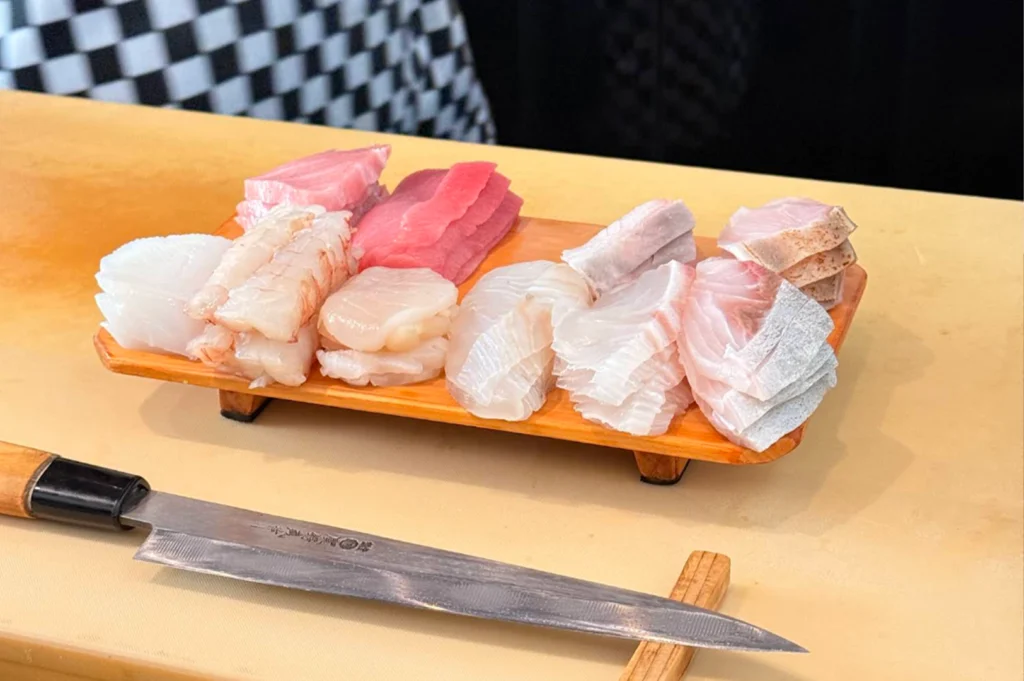
At a sushi counter, the smallest details often make the biggest difference. At Ryo Sushi, the relationship between the fish and the rice is carefully considered. The sushi rice provides enough seasoning to support the seafood without overpowering it, allowing ingredients like tuna, scallop, and sea bream to remain the focus.
The use of soya sauce is also restrained. Instead of relying on heavy seasoning, the preparation allows diners to appreciate the natural flavour of each ingredient.
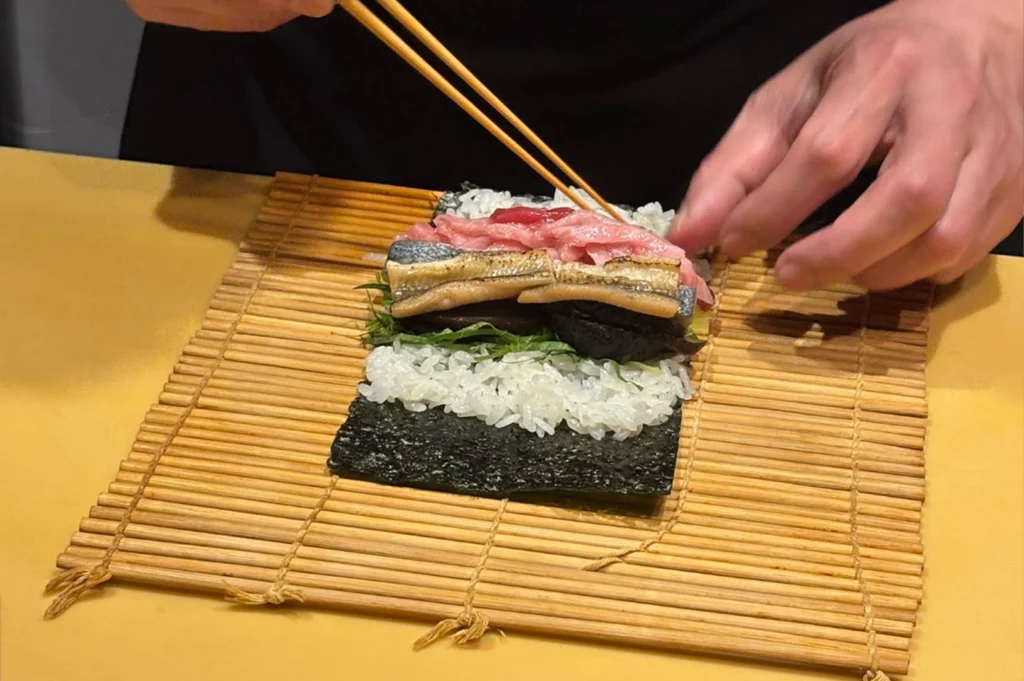
The chef’s handling of seafood is especially noticeable with delicate pieces. A generous cut of fish, the texture of a soft scallop, or the slight char from a torched preparation can completely change the character of a dish. Even the finishing touches, such as a carefully prepared hand roll, add variety to the progression.
Ryo Sushi Menu: Omakase Sets and Ala Carte Options
While the restaurant is best known for its omakase, Ryo Sushi serves both omakase sets and an ala carte menu. For diners who want the complete experience, the omakase sets provide a structured journey through sushi, sashimi, appetisers, warm dishes, and dessert.
Those looking for a shorter visit can also order individual sushi pieces or selected dishes from the menu. Options such as edamame, sashimi, nigiri, and rice-based dishes allow guests to customise their meal. The flexibility is one reason Ryo works well for both experienced omakase diners and those trying this style of dining for the first time.
Food Review: What Makes Ryo Sushi Different?
After experiencing the meal, what stood out about Ryo Sushi was the balance between quality and approachability. The restaurant does not position itself as an ultra-luxury sushi destination. Instead, it offers a more intimate counter experience where diners can appreciate Japanese craftsmanship without the atmosphere feeling intimidating.
The ingredients are carefully selected, but the experience remains relaxed. You can focus on the food, ask questions, and enjoy the progression without feeling pressured.
For me, that is where Ryo Sushi finds its strength. It creates a comfortable space where the chef’s technique and the quality of the ingredients speak naturally.
Tanjong Pagar Location and Booking Details
Ryo Sushi Singapore is located at: 1 Tras Link, #01-06 Orchid Hotel, Singapore
- The restaurant is conveniently located in Tanjong Pagar, making it accessible for both CBD diners and those visiting the area.
- With only eight seats at the counter, advance bookings are recommended, especially for dinner services and preferred seating times.
- The limited number of seats is part of the experience, it allows the chef to maintain a more personal interaction with each guest.
Is Ryo Sushi Worth Visiting?
Ryo Sushi is a strong choice for diners looking for an intimate omakase counter experience in Singapore.
It is especially suited for:
- First-time omakase diners who want a comfortable introduction
- Couples looking for a quiet dinner
- Sushi lovers who appreciate direct chef interaction
- Guests seeking quality ingredients without entering the highest luxury price range
The final impression I had was that Ryo Sushi feels like a conversation between chef and diner. Each course reveals another layer, the quality of the fish, the balance of the rice, and the care behind every preparation.
Discover the best omakase restaurants in Singapore and allow your understanding to expand through thoughtful exploration. Visit Best Omakase to find restaurants where craft and intention converge.