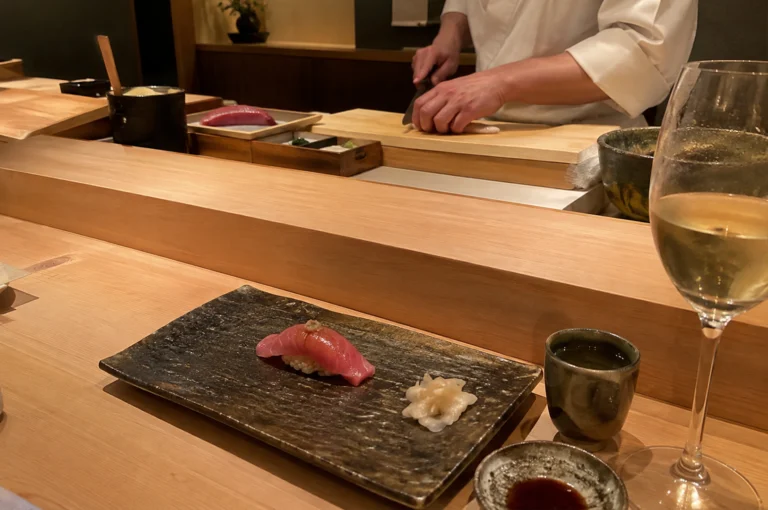
Some gifts are wrapped in ribbons. Others arrive on a handcrafted plate, placed gently in front of you with quiet confidence.
That is the feeling many people experience during an omakase meal. Each course arrives without announcement or fanfare, yet it feels carefully chosen, almost as if it were selected with you in mind. The experience isn't simply about eating exceptional food. It's about receiving something created with intention, one thoughtful moment at a time.
In a world where convenience often comes before craftsmanship, that feeling is surprisingly rare.
Most meals begin with a menu. We compare options, weigh prices, and decide what sounds appealing. Omakase takes a different approach. Instead of asking what you want, it invites you to trust what the chef believes is worth sharing. The experience becomes less about making choices and more about appreciating care.
There is something deeply comforting about that exchange.
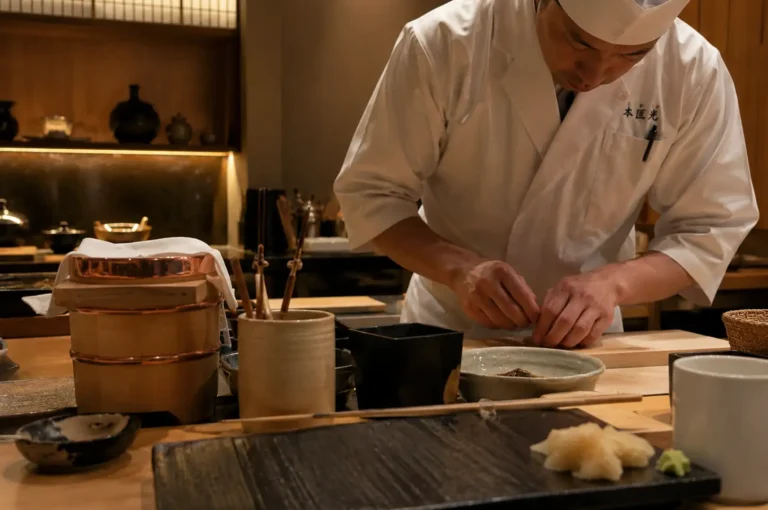
Every course represents a decision already made—not by an algorithm or a trend, but by someone who has spent years learning how flavors, textures, and seasons come together. The chef isn't simply preparing food. They're sharing a story built from experience, patience, and respect for every ingredient that reaches the counter.
That intention is what makes each dish feel like a gift.
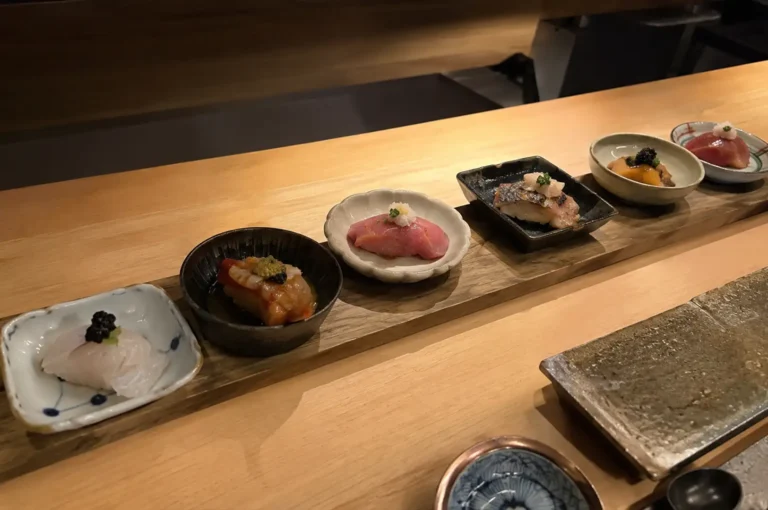
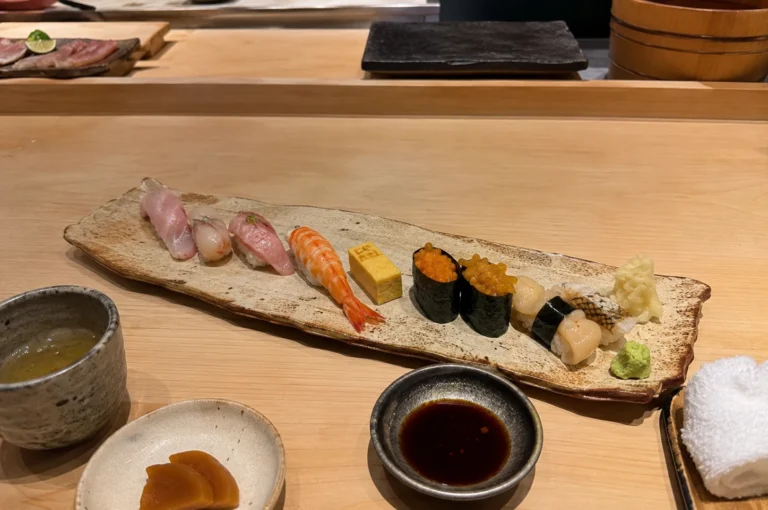
The portions are modest, yet they carry remarkable attention to detail. A piece of fish is sliced with precision. A brush of sauce is added sparingly, never overpowering the ingredient beneath it. Rice is shaped to complement rather than compete. Every element has a purpose, reminding diners that generosity is not measured by size but by thoughtfulness.
As the meal unfolds, anticipation becomes part of the experience.
Each new course arrives as a surprise. You don't know whether the next bite will be delicate, rich, smoky, or bright. Rather than rushing ahead, you're encouraged to stay present. Curiosity replaces expectation, and every serving becomes an invitation to discover something new.
That rhythm feels remarkably similar to receiving meaningful gifts.
The most memorable presents are rarely the most expensive. They are the ones that show someone truly paid attention. A favorite book. A handwritten letter. A song shared at the right moment. Their value comes from the care behind them, not the price attached.
Omakase follows that same philosophy.
The chef notices the pace of the table, the expressions after each bite, and the conversations unfolding between courses. Hospitality becomes more than efficient service. It becomes attentive observation. Even when the sequence remains largely the same, each guest experiences it differently because every interaction adds another layer of connection.
This is why omakase often becomes part of life's most meaningful celebrations.
Birthdays, anniversaries, reunions, and quiet personal milestones all seem to fit naturally around the omakase counter. The meal encourages people to slow down, savor each moment, and appreciate not only what they're eating but also who they're sharing it with. Every course marks another chapter in an evening that unfolds with intention.
Perhaps that's why the memories linger long after dessert.
People may struggle to recall every ingredient or every species of fish they tasted, but they remember the feeling of being cared for. They remember the chef explaining a seasonal ingredient, the quiet excitement before each plate arrived, and the conversations that naturally filled the pauses between courses.
Those moments become the true takeaway.
In many ways, omakase reminds us that generosity is often found in the smallest gestures. A carefully balanced bite, perfect timing, a warm greeting, or a sincere explanation can leave a lasting impression because they communicate something simple yet powerful: someone cared enough to do this well.
That message extends beyond the restaurant.
Life often moves too quickly for thoughtful moments. We rush through conversations, meals, and even celebrations without fully appreciating them. Omakase gently interrupts that pace. It asks us to receive rather than rush, to observe rather than scroll, and to trust rather than control.
In doing so, it reveals that hospitality is its own kind of gift.
When every course arrives with purpose, every ingredient is treated with respect, and every detail reflects genuine care, the meal becomes more than a series of dishes. It becomes an expression of generosity, craftsmanship, and human connection.
And perhaps that is why omakase leaves such a lasting impression.
Long after the final course has been served, what stays with us isn't simply the taste of exceptional food. It's the quiet feeling that, for one evening, every bite was offered with the same care as a thoughtful gift—given not out of obligation, but out of a genuine desire to create something worth remembering.