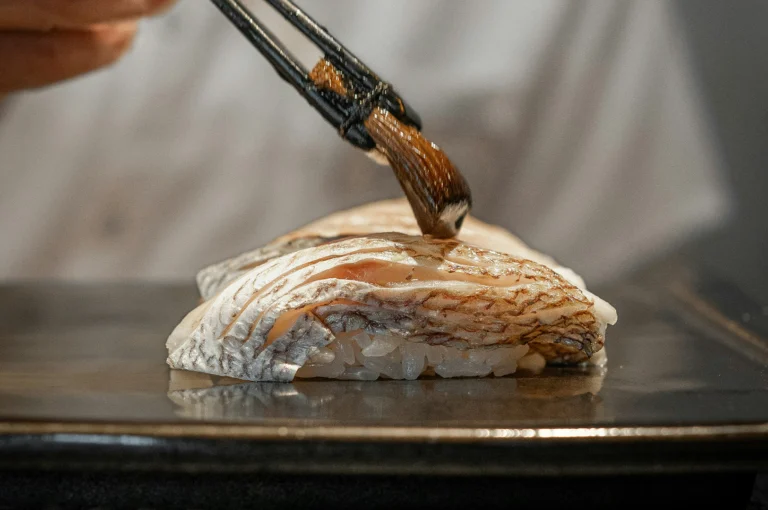
A full omakase experience is more than just a meal; it is a carefully curated journey through Japan’s finest seasonal ingredients, allowing diners to immerse themselves in an intimate and thoughtfully orchestrated culinary adventure. As one of the authentic Japanese restaurants in Singapore, Sushi Masa by Ki-setsu embodies the Japanese dining style of “I’ll leave it up to you,” allowing the chef to showcase their artistry through an evolving seasonal tasting menu based on the freshest seasonal ingredients. A great omakase dining experience is characterized by a leisurely multi-hour culinary performance, with a balanced progression from light to rich flavors, allowing diners to savor each dish in omakase sets.
The Essence of Omakase Dining: The Craft of Omakase Dining
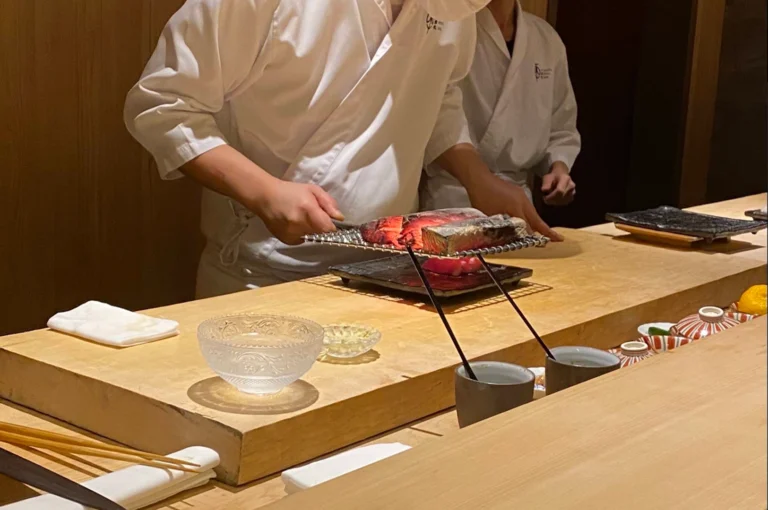
Omakase dining is distinguished by its intimate sushi counter setting, often seating between 8 to 14 diners, which fosters direct interaction between the chef and guests. This close-knit environment allows diners to witness the meticulous preparation of sushi rice (shari), nigiri sushi, and seasonal sashimi right before their eyes. The sushi counter becomes the centre stage where the chef’s craftsmanship and attention to detail take centre stage, elevating the dining experience to a personal and immersive culinary performance.
From Counter Seats to Fine Dining: Omakase Styles Explained
The omakase dining experience in Singapore offers a rich blend of tradition, craftsmanship, and seasonal ingredients, with intimate sushi counter settings that allow diners to engage closely with skilled chefs like those at Sushi Masa by Ki-setsu. Key highlights include:
- Intimate sushi counter settings: Typically seating 8 to 14 guests, fostering personal interaction between diners and chefs.
- Range of styles: From traditional Edo-period mastery to innovative, playful approaches seen at restaurants like Suzuki and Hiryu.
- Seasonal sourcing: Seafood is often sourced from renowned markets such as Toyosu Market, ensuring the freshest ingredients.
- Course progression: Meals follow a thoughtful sequence, enhancing the multi-hour dining journey.
- Affordable options: Starting around $80, these provide accessibility without compromising on quality.
- Emerging trends: Sustainability and vegan omakase are increasingly embraced, reflecting modern culinary creativity.
Overall, Singapore’s omakase scene delivers a personalized, immersive culinary adventure that honors Japanese heritage while embracing contemporary innovation.
Seasonal Ingredients and Menu Curation

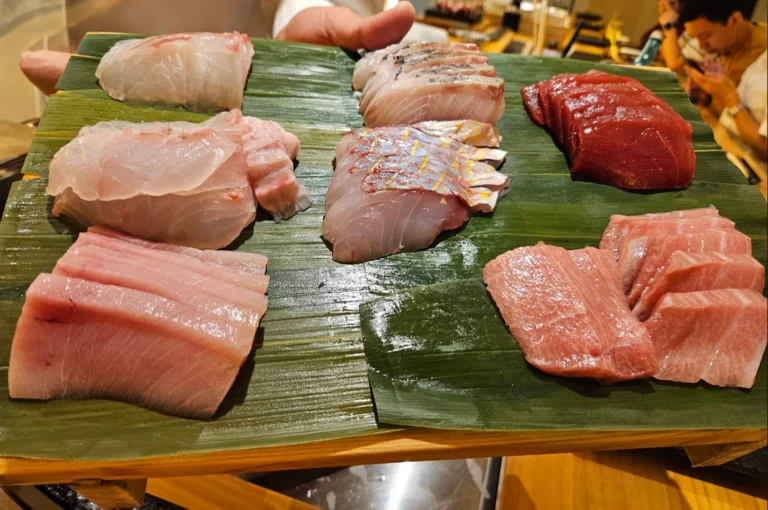
Many top Japanese omakase restaurants in Singapore source their seafood directly from renowned markets like Toyosu Market in Tokyo, ensuring the freshest seasonal ingredients are used in their dishes. Key aspects of seasonal ingredients and menu curation include:
- Freshness and Quality: Seafood is carefully selected daily to reflect peak freshness.
- Seasonal Variety: Menus change daily or seasonally to highlight the best available produce.
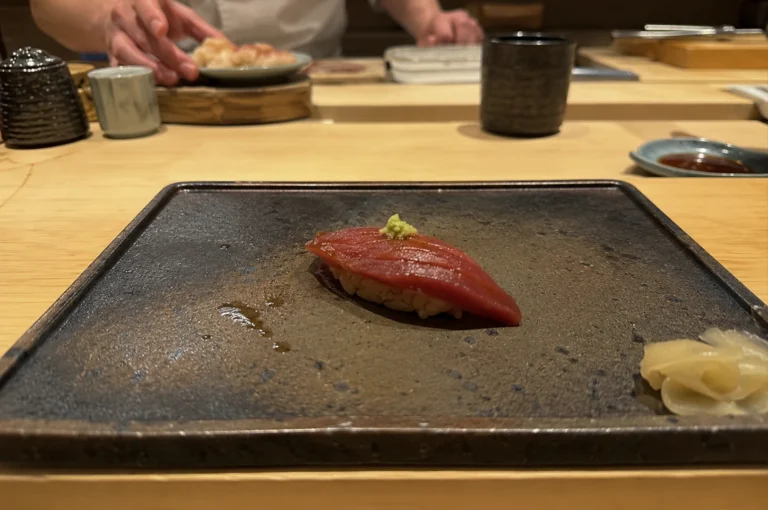
- Premium Ingredients: Dishes often feature luxurious items such as fatty tuna (otoro) and sea urchin (uni), especially during winter months.
- Dynamic Menus: The tasting menu adapts to include seasonal specialties like golden eye snapper and sakura ebi.
- Balanced Offerings: From delicate sashimi to expertly prepared cooked and hot dishes, the menu showcases a full spectrum of seasonal flavors.
This approach ensures every dish reflects the peak flavors of the season, offering diners an authentic and immersive omakase experience.
Progression and Pacing of Courses

A well-executed omakase meal follows a carefully planned progression that enhances the overall dining experience. Key aspects include:
- Starting with light seasonal appetisers and sashimi to awaken the palate.
- Moving through a variety of sushi courses that showcase different textures and flavors.
- Culminating in richer cooked dishes and a thoughtfully prepared dessert.
- Allowing a balanced pacing that encourages diners to savour each flavor and texture.
- Typically lasting between two to three hours, making the meal a leisurely and immersive experience.
- Chef-curated courses that build harmony and contrast, ensuring every bite is memorable.
Omakase Etiquette and Customs

Embracing omakase etiquette enriches the dining experience and fosters a respectful connection between diner and chef. Important customs include:
- Trusting the chef completely by refraining from requesting usual favorites or menu changes.
- Savoring each piece in a single, mindful bite to fully appreciate the chef’s artistry.
- Avoiding leaving even a grain of rice, as it is seen as a sign of respect for the chef’s work.
- Using hands or chopsticks as guided by the chef to maintain the preferred flow of the meal.
- Arriving without heavy perfumes to allow the pure aromas of the sea and culinary creations to prevail.
- Recognizing that these gentle customs create a tender and unforgettable atmosphere beyond the meal itself.
Affordable Omakase in Singapore: Is it Worth the Try?
Omakase dining in Singapore offers a range of affordable options starting from around $80 to $150, particularly during lunch hours, providing a budget-friendly way to enjoy quality omakase without sacrificing craftsmanship or seasonal ingredients. Many restaurants feature lunch omakase menus priced below $100 that include fewer courses but maintain a strong focus on seasonal ingredients and skilled preparation.
Notable affordable spots such as Ganko Sushi, Kagami, and Ryo Sushi are recognized for their accessible pricing and quality offerings. Dinner omakase experiences typically present curated multi-course meals showcasing premium ingredients and meticulous preparation, with prices varying from affordable to high-end. The vibrant Singapore omakase scene caters to diverse budgets, making it accessible to both casual diners and serious food enthusiasts, with restaurants like Sushi Masa by Ki-setsu, Sushi Jin, and Sushi Muni offering both lunch and dinner omakase options. This variety ensures diners can enjoy an authentic omakase experience tailored to their preferences and budget.
For those seeking cheap omakase Singapore options, explore a curated list of affordable yet quality omakase experiences here.
The Role of the Chef in Omakase

There’s something magical about watching a chef work behind the counter, their hands moving with quiet confidence as they guide you through each perfect bite. You can feel the care in every gesture. The way they select each piece of fish, the gentle rhythm of their knife work. It’s like watching a gentle dance unfold just for you. You sense their deep connection to the seasons, how they know exactly when the uni is at its peak, when the first spring vegetables deserve their moment.
The most beautiful part happens in those soft exchanges between bites. Your chef leans forward slightly, eyes bright as they share the story behind what you’re tasting. Maybe it’s where this particular fish was caught, or why they paired it with that delicate garnish. These whispered moments make you feel like you’re part of something special, something intimate. Chefs like Desmond Fong have this gift, they make each course feel like a small revelation, a gentle surprise that builds on the last. You find yourself leaning in, caught up in their quiet passion, feeling grateful to be invited into their world for this one perfect evening.
Omakase Trends and Innovations
Singapore’s omakase scene feels like watching a quiet revolution unfold, one gentle innovation at a time. There’s something deeply moving about how chefs here are weaving sustainability into their craft, their hands working with local treasures that taste of home. At Moss Cross Tokyo Singapore, you can feel this philosophy come alive in their modern shokado concept, each piece of seafood, each cut of meat, every fresh vegetable seems to whisper stories of the land and sea around us. Sitting at the counter, watching this dance between tradition and place, you sense how this approach doesn’t just nurture local growers but opens your palate to flavors that feel both familiar and wonderfully new.
The magic deepens when premium ingredients like sea urchin and fatty tuna appear before you, their presence elevating the moment into something almost sacred. But what touches me most is how these restaurants are opening their doors wider, crafting vegan and vegetarian omakase experiences that let everyone share in this beautiful ritual. The chefs move with such quiet dedication, constantly experimenting, their passion visible in every gesture. This scene pulses with life, each meal becoming a small adventure that lingers in your heart long after the last bite. There’s joy here, and connection and endless possibility waiting at every counter.
The Complete Omakase Dining Experience

The best omakase experiences blend impeccable service, premium ingredients, and a tranquil setting that highlights the artistry of Japanese culinary tradition. Dinner starts with a commitment to quality and a thoughtfully curated experience, setting the tone for an elevated meal from the moment guests are seated. Whether celebrating special occasions or enjoying a date night, omakase dining offers a unique chance to engage with the chef, savor the freshest seasonal sushi, and immerse oneself in an authentic Japanese restaurant atmosphere. From the overflowing ikura rice to the delicate harmony of sushi rice and seasonal fish, each element is carefully crafted to deliver an unforgettable meal.
Essential Key Takeaways About Omakase in Singapore
For those looking for affordable omakase Singapore options without compromising on quality, lunch courses at places like Ganko Sushi and Moss Cross Tokyo Singapore offer excellent value. Moss Cross Tokyo’s Singapore outpost at Fraser China Square provides creative omakase menus with unique dishes and miso soup to round off the meal. Omakase dining here is not just about the food but also the serene atmosphere and attentive service, with opening hours that accommodate both lunch and dinner options.
Whether you prefer the traditional sushi counter experience or innovative interpretations, Singapore’s omakase restaurant offers a diverse range of dinner options that cater to various tastes and budgets. Many restaurant offers seasonal tasting menus that evolve with the freshest catch, providing an authentic Japanese culinary tradition right in the heart of Singapore. By choosing from these well-regarded omakase restaurants, diners can enjoy a memorable dining experience that balances affordability, exclusivity, and the artistry of Japanese cuisine.
To explore more varieties about Singapore’s best Japanese foods, you may also want to check out this comprehensive guide to Japanese food in Singapore.