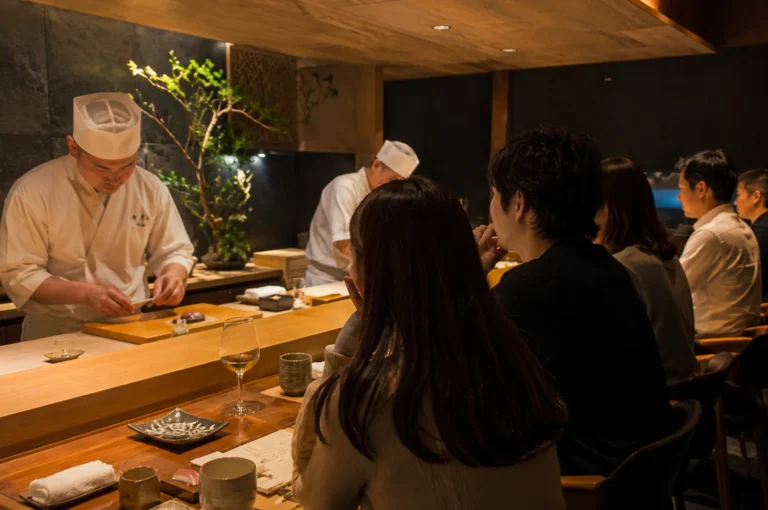
The restaurant was full long before the final seating began.
Conversations overlapped softly across the room, glasses clinked against wooden counters, and staff moved carefully between narrow spaces carrying dishes that had clearly been prepared with intention. Every seat was occupied. Every table had someone waiting for the next course. By most standards, it should have felt hectic.
But somehow, it did not.
That is what separates certain dining experiences from ordinary busy restaurants. The best places understand that pace affects the atmosphere just as much as food does. A crowded room does not automatically create chaos when the people inside know how to move with calm precision.
In many restaurants, fullness creates urgency. Plates arrive too quickly. Conversations are interrupted. Staff members move like they are trying to outrun the night itself. You begin to feel less like a guest and more like part of a schedule that needs to be completed before the next reservation arrives.
But there are rare places where time seems to slow down despite the crowd.
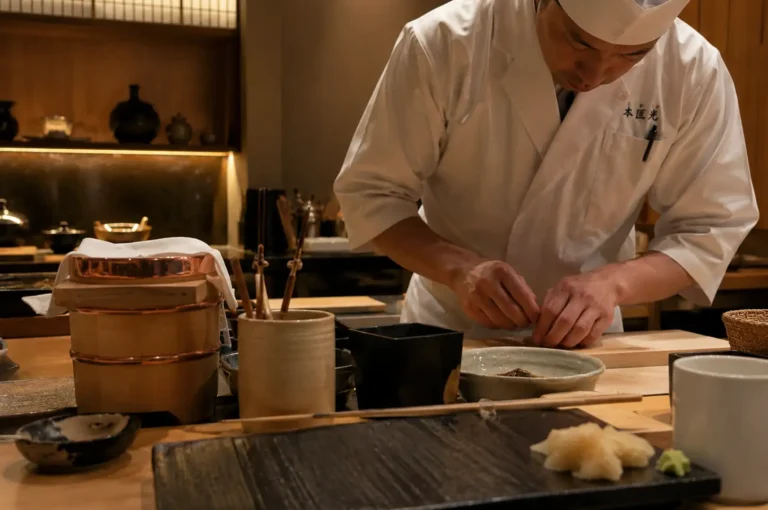
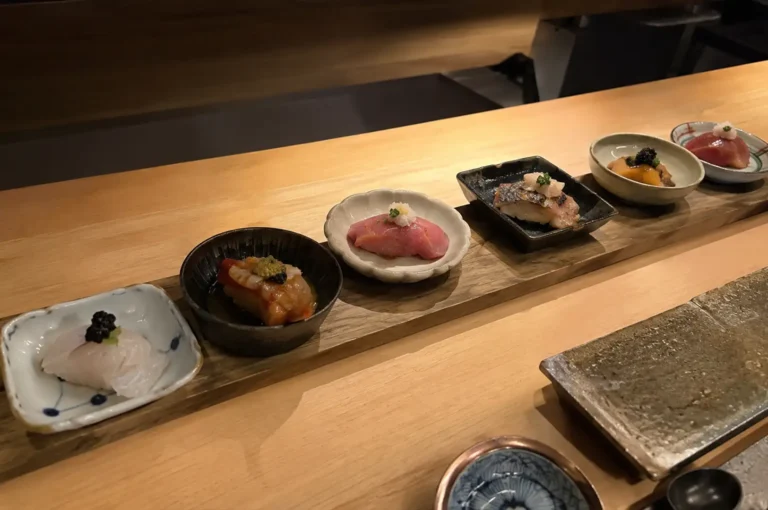
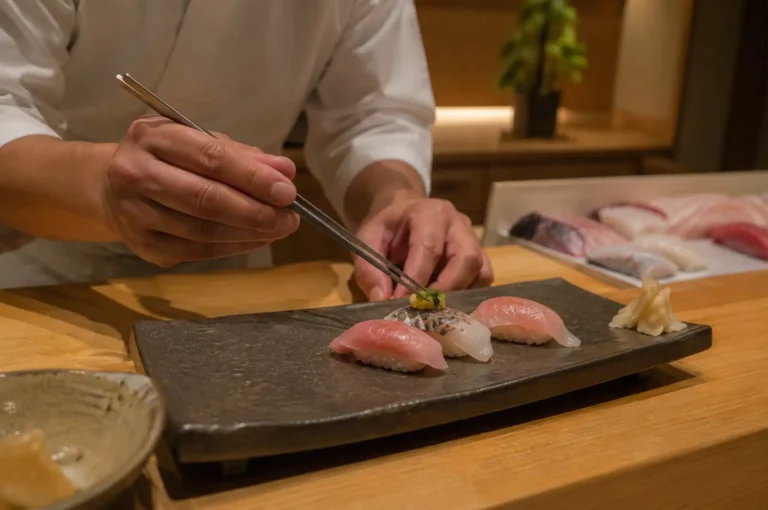
You notice it immediately at a well-run omakase counter or a thoughtful café during peak hours. The chef still pauses before placing each piece carefully in front of a guest. The server still explains a dish without sounding rehearsed. Nobody appears panicked, even though every seat around you remains occupied.
That calm changes the entire experience.
People often assume luxury comes from exclusivity or silence, but sometimes luxury is simply the feeling of not being hurried. To sit in a full room and still feel cared for individually is a kind of hospitality many places fail to achieve.
The atmosphere becomes contagious. Guests lower their voices naturally. People stop checking the time. Courses feel paced instead of delivered. Even waiting begins to feel intentional rather than inconvenient.
There is also something reassuring about watching professionals work with composure under pressure. In a crowded dining room, every small movement matters. The coordination between chefs, servers, and hosts becomes almost invisible when done correctly. You only notice the calmness itself.
And perhaps that is the real craft behind hospitality.
Not just preparing excellent food, but protecting the emotional rhythm of the room regardless of how busy it becomes. Creating an experience where guests can remain fully present instead of feeling processed.
Some of the most memorable meals happen in packed spaces.
Not because they were loud or energetic, but because despite the crowd, nothing ever felt rushed.
And in a world where nearly everything moves too fast, that kind of atmosphere becomes unforgettable.