There’s something magical about settling into an omakase seat and whispering those gentle words: “I’ll leave it up to you.” The chef’s eyes light up, you’ve just given them permission to tell their story through food. Modern omakase takes this beautiful tradition and wraps it in today’s creativity, where ancient techniques dance with playful innovation. You’re not just dining; you’re being invited into an intimate performance where every bite feels like a small gift.
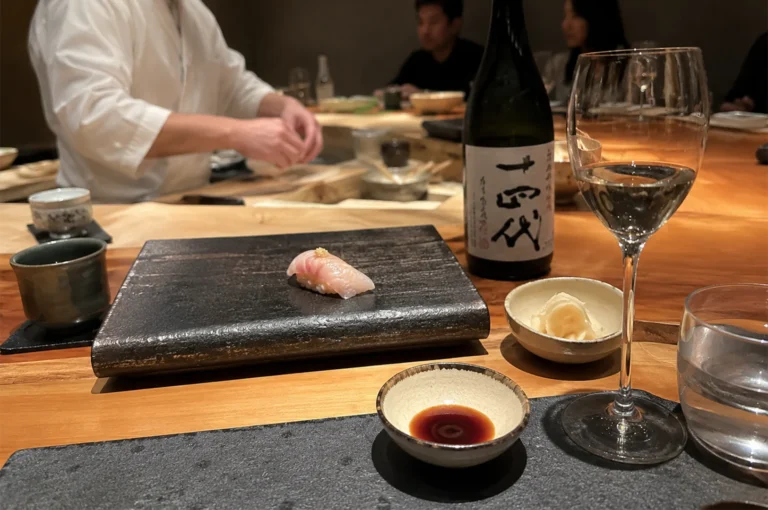
What makes my heart skip is how these chefs think about drinks now. Gone are the days of just hot sake. Instead, they’re pairing each moment with something special, maybe a chilled sake that tastes like mountain snow, or a whisky so rare it feels like holding liquid gold. Then comes that perfect pause: fresh matcha whisked just for you, its bitter-sweet embrace cleaning your palate like a gentle reset button. Everything flows together so naturally, and somehow the prices feel surprisingly fair for such magic.
Japanese omakase dining is a revered culinary tradition where diners entrust the chef to craft a personalized, seasonal tasting experience showcasing the finest ingredients and expert craftsmanship.
The Essence of Modern Omakase Dining
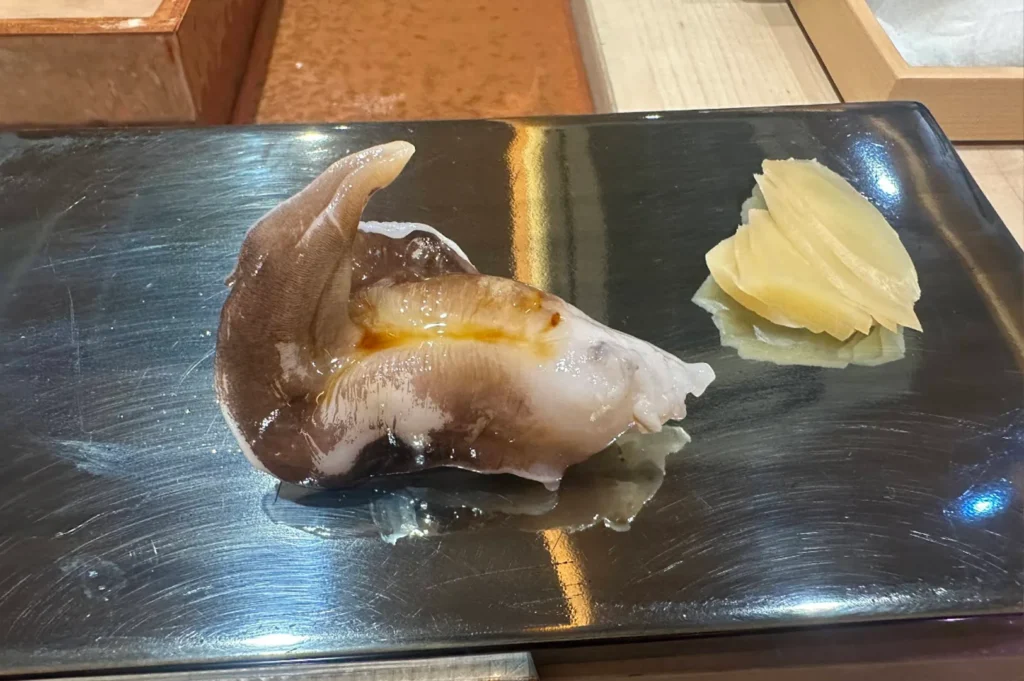
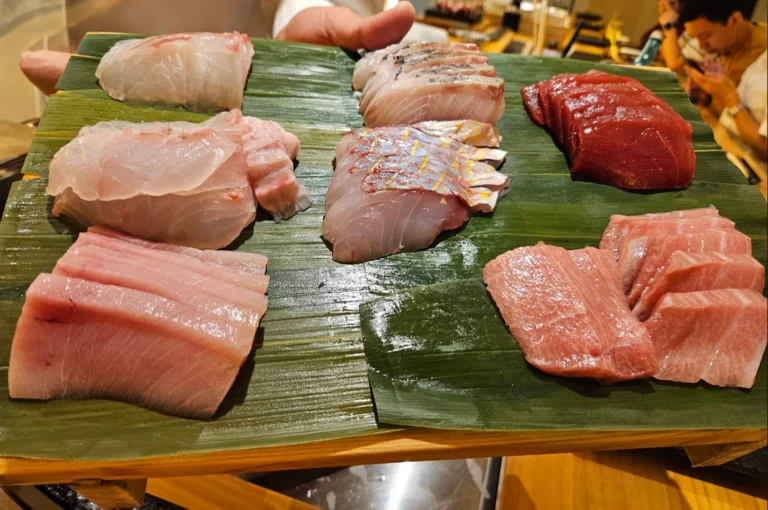
You can feel the chef’s devotion in every gesture. There’s this quiet reverence as they select each piece, knowing it traveled from Japan’s legendary Toyosu Market that very morning. At places like Sushi Masa by Ki-setsu, you watch Chef Masa’s hands move with such certainty. He knows exactly which fatty tuna belly will melt perfectly on your tongue, which sea urchin carries the ocean’s sweetest whisper.
The meal unfolds like a gentle conversation. It starts soft and cool, delicate sashimi that barely needs chewing, flavors so pure they seem to dissolve into memory. Then gradually, warmth creeps in. Richer dishes appear. The rice becomes more present, cradling each piece of fish like a cloud. You realize you’re not just eating; you’re following the chef’s emotional map of the meal.
The Unfolding of a Modern Omakase Meal
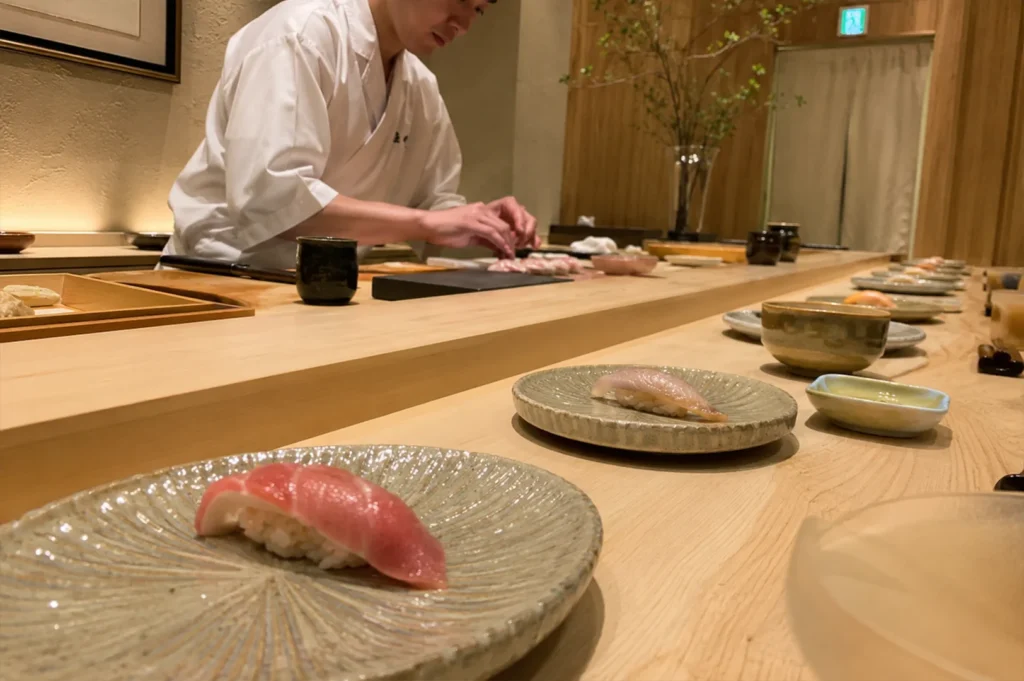
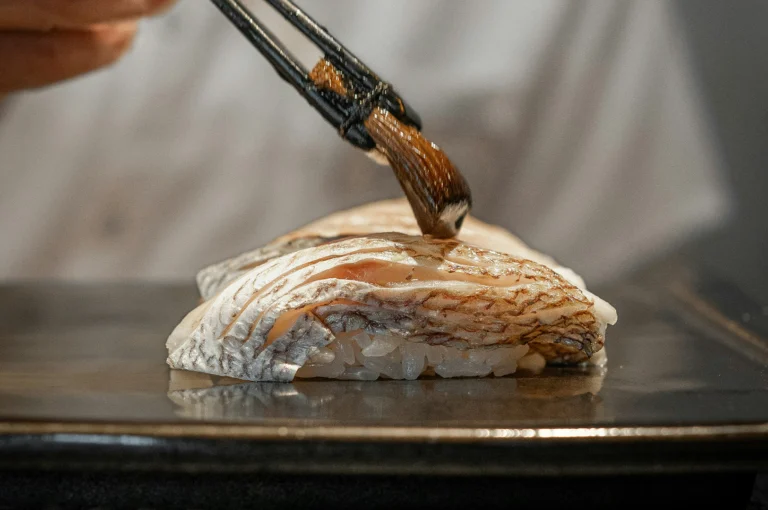
A proper omakase meal is an artful journey crafted by the chef, where each course flows seamlessly into the next. The experience often begins with a light appetiser, setting the tone with the freshest seasonal ingredients and delicate flavours. Seasonal sashimi follows, showcasing the chef’s skill in highlighting the natural essence of premium seafood. Then come the sushi courses, each piece of nigiri meticulously prepared with perfectly seasoned shari and the freshest seasonal fish, creating a harmonious balance of texture and taste.
As the meal progresses, diners are treated to cooked dishes and hot dishes that add warmth and depth, often featuring seasonal highlights that reflect the chef’s respect for nature’s rhythms. The seasonal tasting menu based on peak seasonal produce allows the chef to create unique omakase courses that surprise and delight. Throughout the meal, counter seating allows close interaction between diners and the chef, fostering a personal connection and an immersive dining experience.
Whether enjoying lunch omakase menu options or indulging in a premium omakase dinner, the meal offers a good balance of traditional Japanese dining style and modern innovation. The inclusion of seasonal fish, premium seafood, and freshly whisked matcha or green tea to finish elevates the experience. This thoughtful progression ensures that every bite is savoured, making modern omakase dining in Singapore a truly special occasion.
Intimate Dining Experience and Sushi Craftsmanship
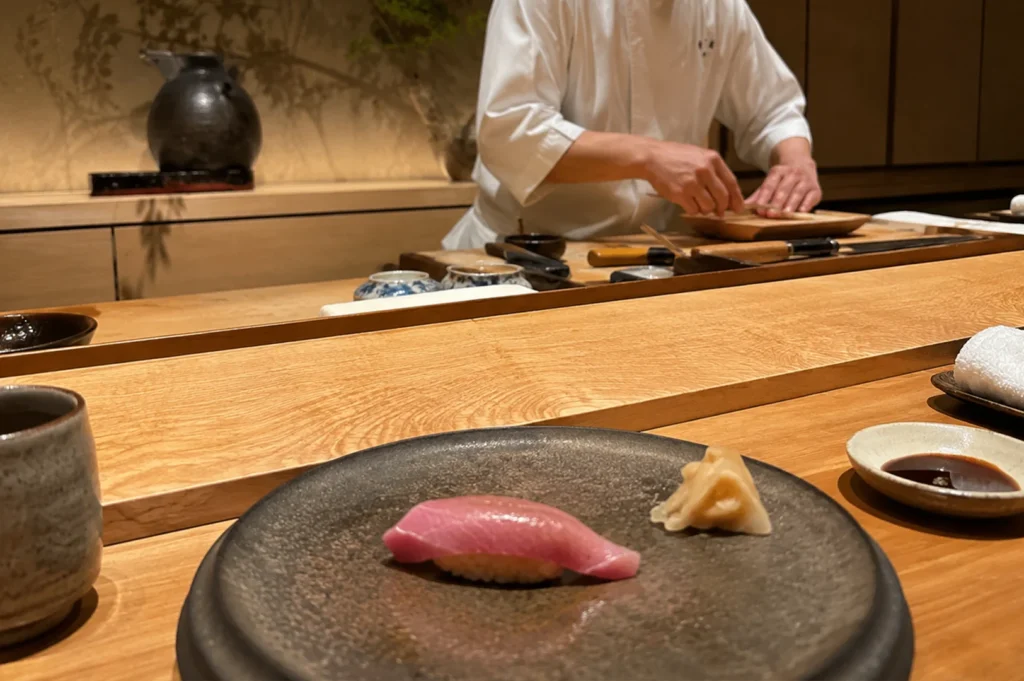
Picture this: just eight to fourteen seats curved around a wooden counter, close enough to catch the chef’s smile when they place something particularly special before you. At Sushi Masa by Ki-setsu, those eight seats feel like front-row tickets to the most graceful show on earth. You watch Chef Masa’s knife work. Each slice so precise it sounds like a whisper. His hands shape rice with the tenderness you’d use to hold a sleeping bird.
There’s poetry in how he seasons the shari, that perfect sushi rice that supports each piece. You can see him tasting, adjusting, tasting again. This isn’t just cooking; it’s caring made visible. When he places each piece before you, there’s a moment where you both understand this is something special.
Innovative Techniques and Culinary Storytelling
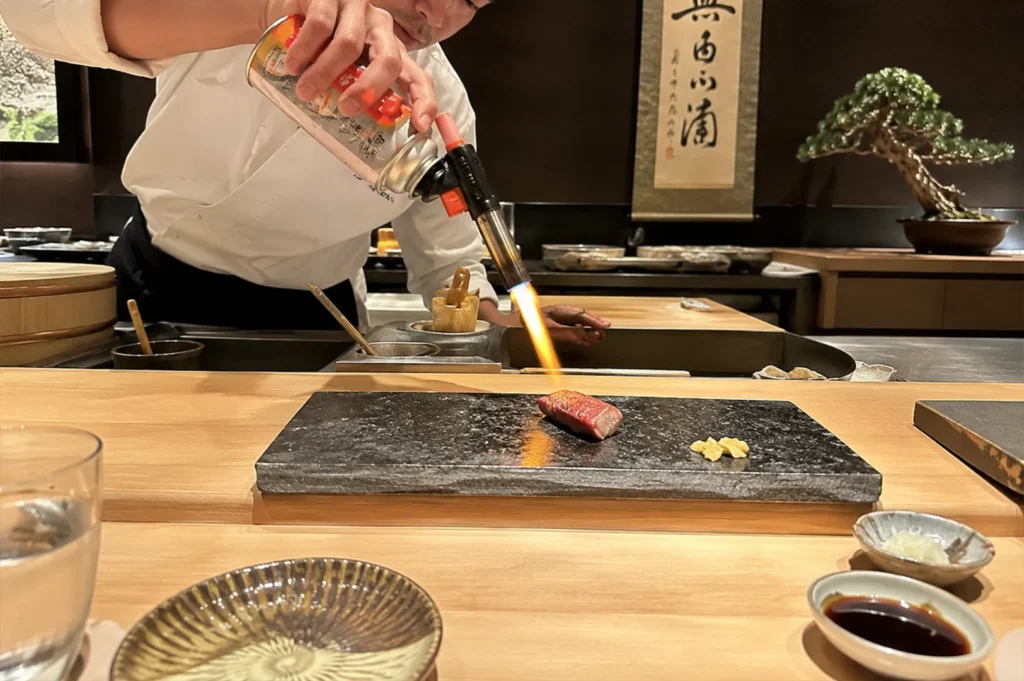
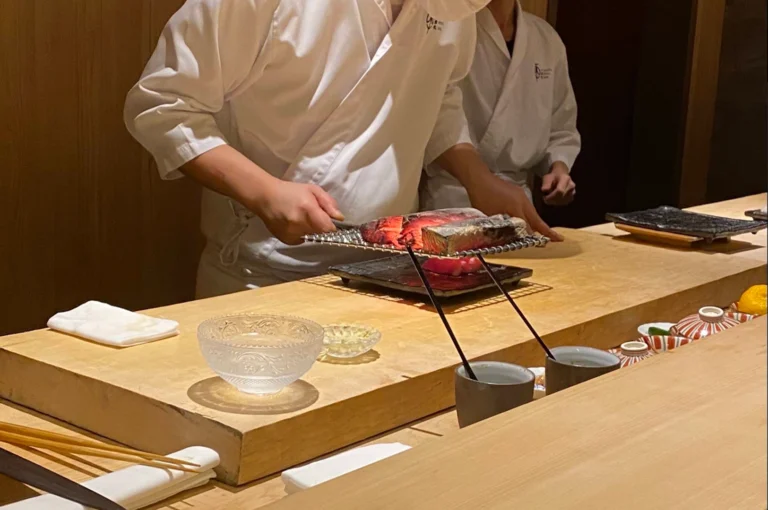
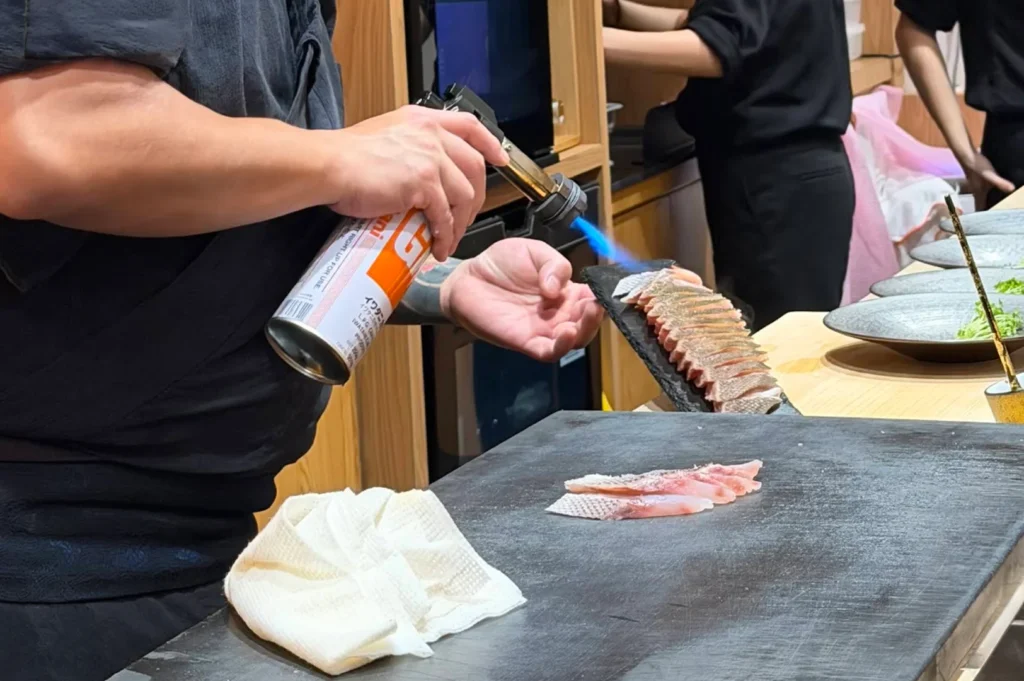
Sometimes the counter erupts in gentle drama. A soft whoosh as the chef torches something just so. Steam rising like morning mist. These moments make you lean forward, wide-eyed, feeling like a child watching magic tricks. But the real magic happens in how these techniques serve the story, never flashy for flash’s sake, always in service of flavor and feeling.
What moves me most is how these chefs weave their own tales into tradition. Maybe it’s an unexpected kiss of Wagyu beef, or caviar that pops like tiny celebrations on your tongue. Each chef brings pieces of their journey, their travels, their dreams. You taste not just fish and rice, but memories and hope.
Lunch and Dinner Omakase Menus in Singapore
Lunch omakase feels like a gentle afternoon dream, shorter, lighter, but no less thoughtful. You slip away from the day’s rush into this quiet pocket of time. Dinner stretches luxuriously, two or three hours that pass like minutes. The light softens, conversations hush, and the counter becomes its own small world.
At places like Sushi Yujo and Sushi Sei, each service feels hand-crafted for that exact moment. The fish that morning, the guests that evening, the chef’s mood, everything weaves together into something that could only happen once, exactly like this. You leave feeling like you’ve shared something precious with strangers who somehow became friends.
For those seeking a modern omakase experience without breaking the bank, Singapore also offers a range of affordable omakase options that deliver quality and creativity.
Why Choose a Modern Omakase Experience?
Because some experiences change how you understand food, and life, and the beauty of trusting someone else’s vision. Because there’s something deeply moving about watching someone pour their heart into feeding you well. Because in a world that moves too fast, omakase asks you to slow down, to notice, to savor each small perfect moment.
When you’re celebrating something special or simply craving wonder, modern omakase offers both tradition’s wisdom and today’s playful spirit. It’s intimate in the way good conversations are intimate. You leave feeling seen, cared for, somehow more yourself.
For those ready to trust and be delighted, Sushi Masa by Ki-setsu at Cuppage Plaza feels like coming home to a place you’ve never been. Chef Masa’s gentle precision, the daily treasures from Japan, that intimate eight-seat counter. It’s where omakase’s quiet magic lives and breathes in Singapore.
Let yourself be surprised by the seasonal story that unfolds just for you. Reserve your place at Sushi Masa by Ki-setsu today, and step into an evening that tastes like pure trust made delicious.
How to Reserve Your Modern Omakase Experience in Singapore
Booking a seat at a top modern omakase restaurant in Singapore requires a bit of planning, but the reward is an unforgettable culinary journey. Many renowned Japanese omakase restaurants, including Sushi Masa by Ki-setsu, operate with limited seating often just eight to fourteen seats ensuring an intimate and personalized dining experience. Reservations are highly recommended, especially for dinner starts, as these coveted spots fill quickly.
When reserving, consider whether you prefer lunch courses or the full dinner omakase sets, as menus often vary in length and price. Lunch omakase menus ranging from reasonable prices offer a lighter introduction, while dinner experiences typically feature more elaborate courses crafted from the freshest ingredients flown in daily from Japan. Some restaurants may also accommodate special dietary requests if informed in advance, allowing diners to fully enjoy the chef-curated meal.
Choosing an omakase restaurant in Singapore means embracing a blend of tradition and innovation, where the chef curates each dish as an artful expression. Whether you are celebrating a special occasion or simply seeking a refined dining adventure, modern omakase offers a unique way to connect with Japanese culinary art. Secure your reservation today and immerse yourself in the freshest ingredients, masterful craftsmanship, and the warm hospitality that define the best omakase restaurants in Singapore.
Discover the vibrant world of Japanese food in Singapore, where tradition meets innovation in every bite.