There’s something magical about omakase, that beautiful Japanese phrase meaning “I’ll leave it up to you.” It’s like placing your trust in gentle hands, letting the chef weave a story just for you with each perfect bite. Here in Singapore, the most wonderful omakase spots bring you treasures from Japan’s legendary Toyosu Market, creating these intimate moments where sushi becomes poetry and every ingredient whispers of the season.
What I absolutely love about omakase dining here is how welcoming it can be. Those lovely lunch courses? They’re like a warm invitation to step into this culinary world without the evening formality. The chefs craft these shorter yet equally tender lunch menus, letting you sink into their seasonal dreams during the gentle rhythm of midday.
Why Omakase is an Unmissable Experience for Food Lovers
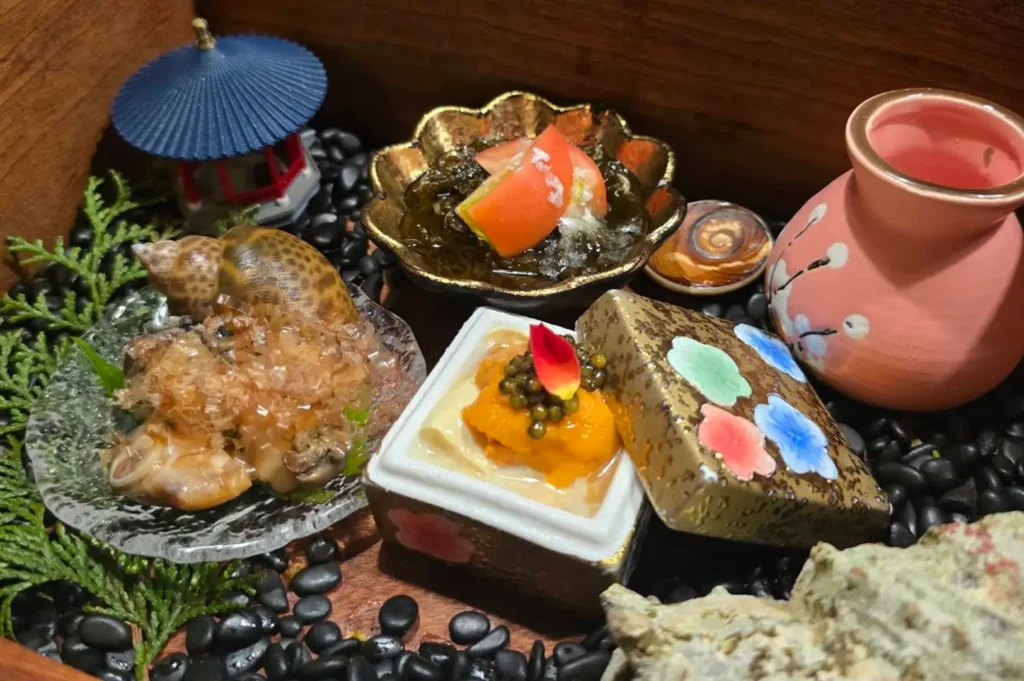
What makes omakase so uniquely special is that it offers something no other dining experience can: a completely personal journey curated just for you, in real time, by an artist at work. Here’s why every food lover absolutely needs to try it at least once:
1. No Two Meals Are Ever the Same
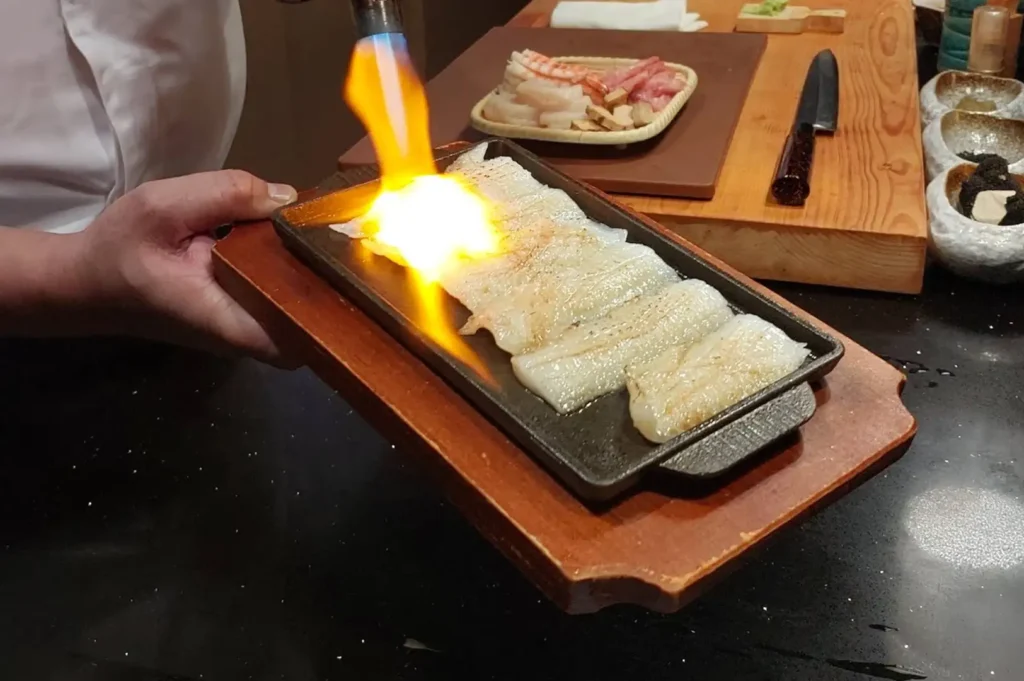
There is no script. No printed menu to glance at, no dish you can anticipate. Each omakase meal is built in the moment, shaped by what arrived at the market that morning, what the chef noticed, what feels right. You could return to the same counter a week later and eat something entirely different. That’s not a gimmick. That’s the nature of it. A meal that exists only once, for you, on that particular evening.
2. A Front Row Seat to Culinary Artistry
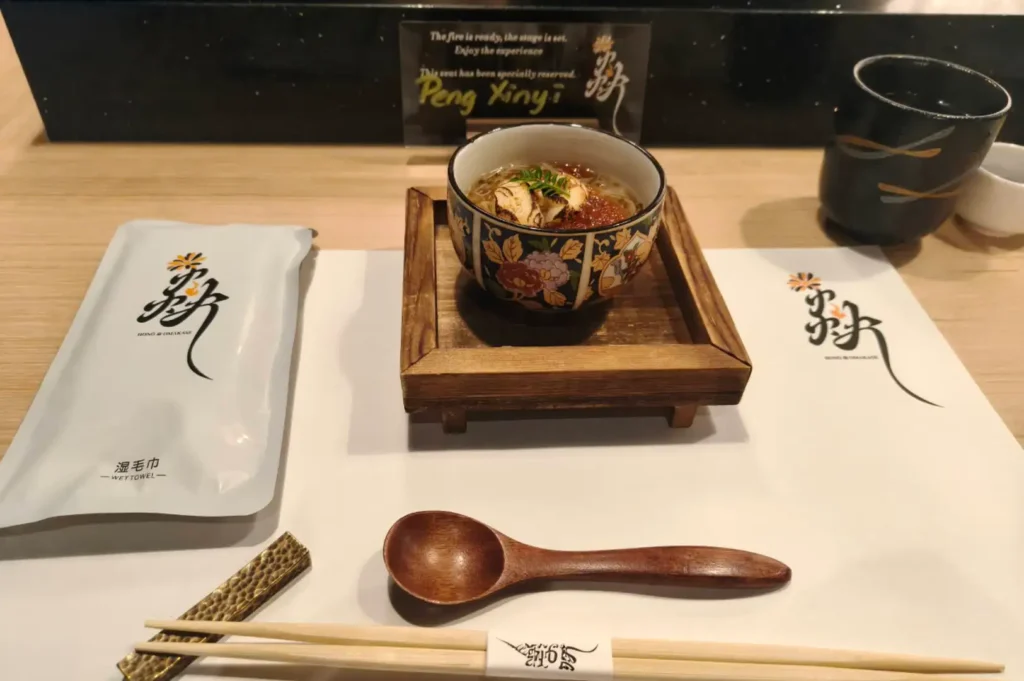
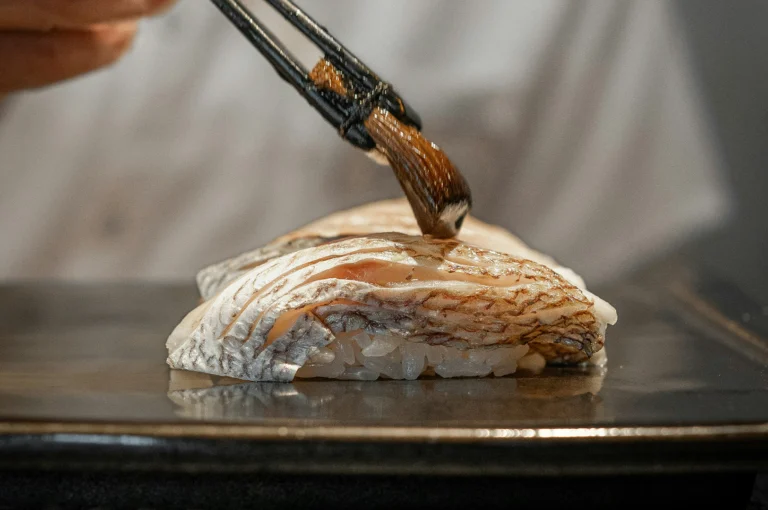
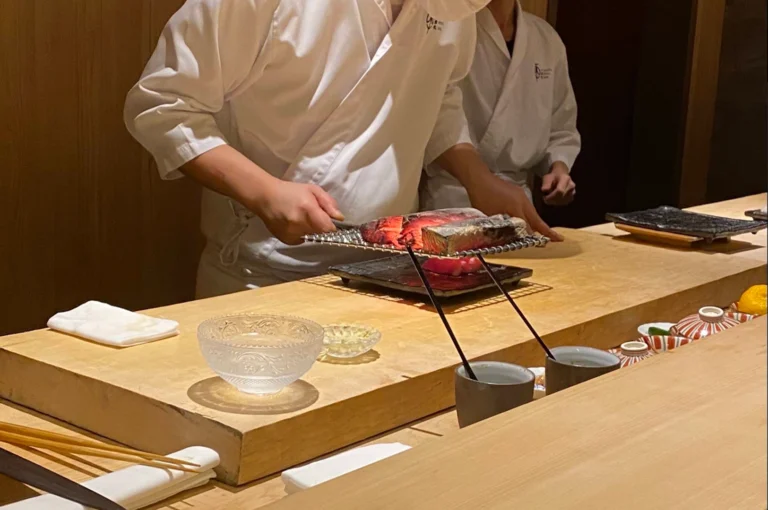
The counter is where you understand what years of practice looks like. Not in a showy way, but in the stillness of it. The way a knife moves through fish without hesitation. The way rice is pressed just so, without looking down. There’s no performance here. Just someone doing what they’ve spent a lifetime learning to do. You eat, and you watch, and somehow both feel like the same act.
3. The Element of Surprise
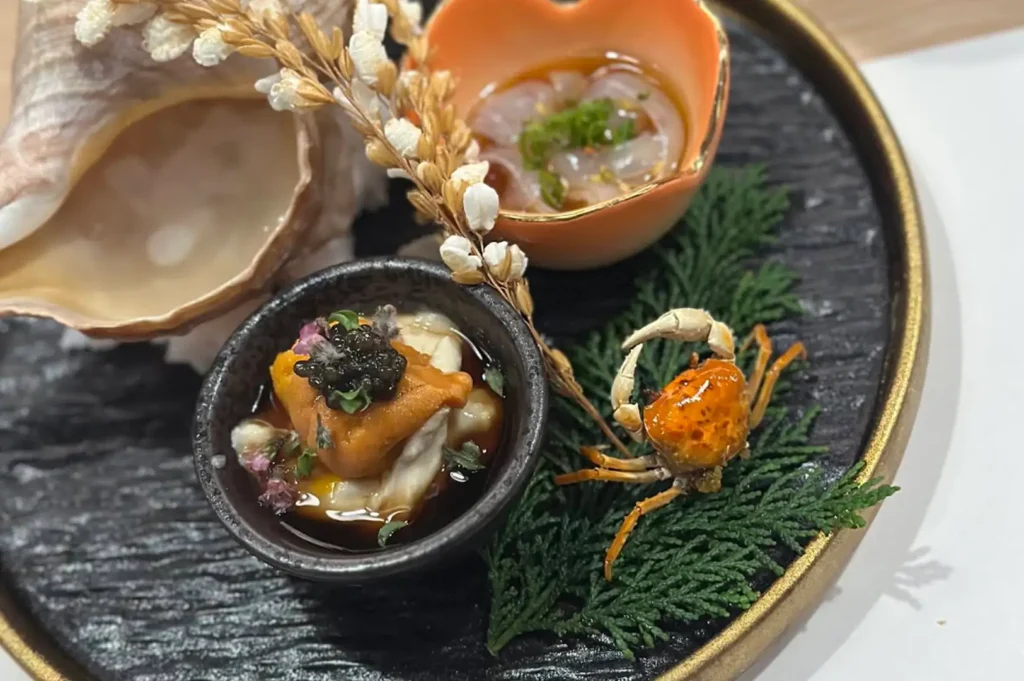
Most meals ask you to decide. Omakase asks you to trust. There’s something quietly freeing about that; sitting down with no agenda, no order to place, nothing to deliberate over. You arrive, and then the meal arrives. What comes next is not yours to control. And more often than not, what comes is better than anything you would have chosen yourself.
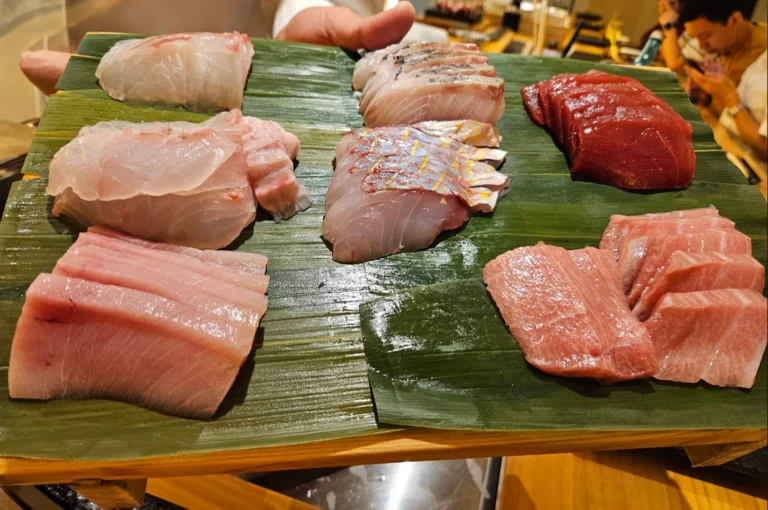
4. Ingredients at Their Peak
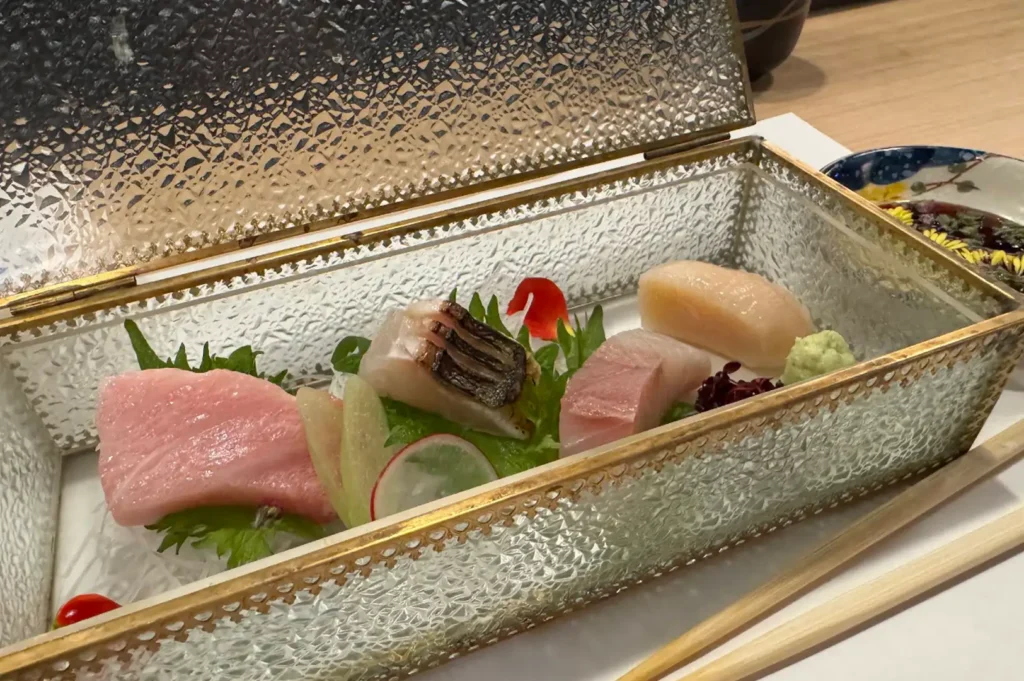
The best omakase doesn’t hide behind complexity. A single slice of fish, a whisper of wasabi, a grain of salt. The ingredient is the point. The chef’s job, and their discipline, is to stay out of its way. What reaches your plate has often travelled far and arrived just in time. There is a quiet urgency to eating it, knowing this particular moment won’t come again.
5. A Connection with the Chef
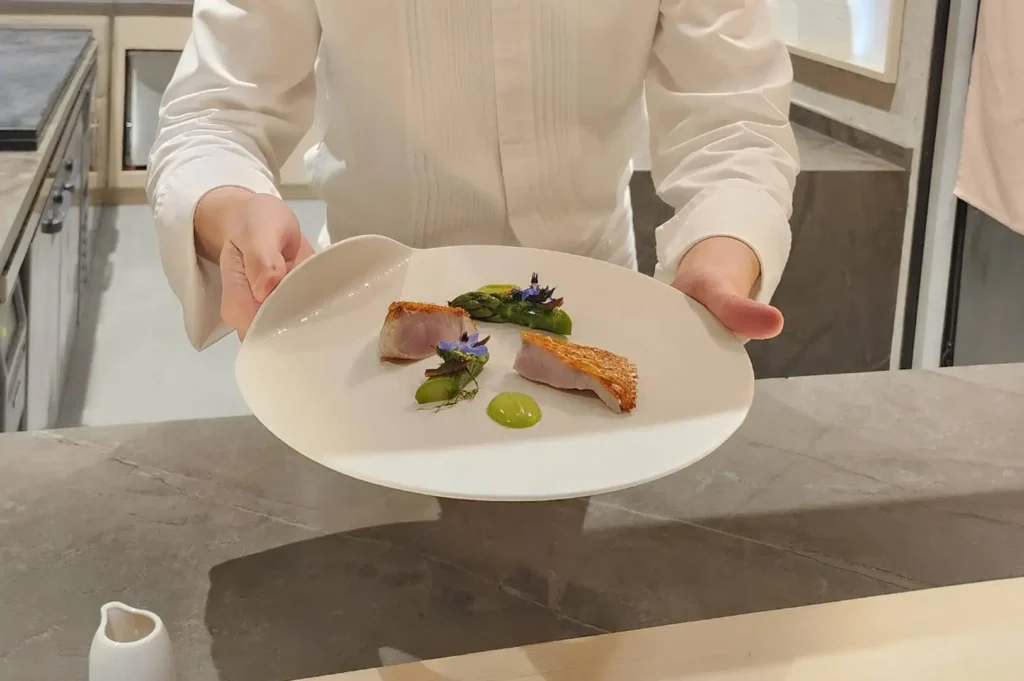
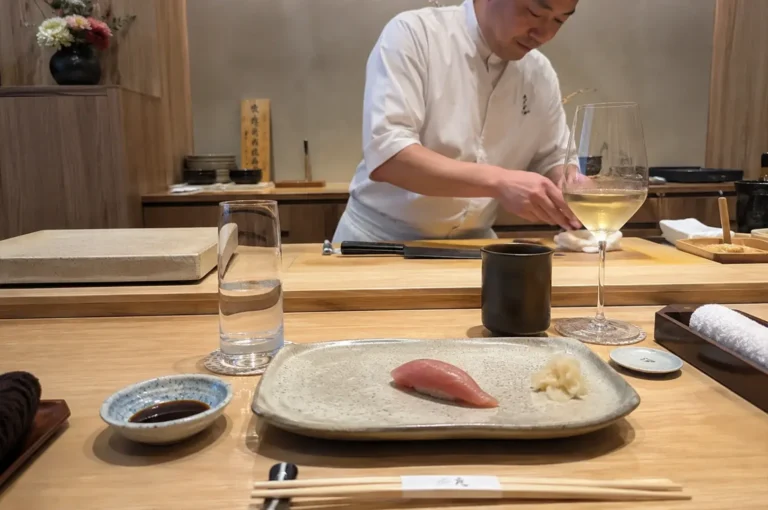
Across the counter, something passes between chef and guest that doesn’t happen in most restaurants. Not always in words; sometimes just in a nod, a pause, the way a dish is placed down gently. But when the chef does speak, it’s not a rehearsed spiel. It’s context. Memory. Reason. Why this fish, why today, why prepared this way. You leave knowing not just what you ate, but something of the person who made it. That doesn’t happen often. It stays with you when it does.
What Makes the Best Omakase Singapore Experience?
The soul of a true omakase meal lives in the chef’s quiet artistry and those perfect seasonal treasures that seem to glow with freshness. Picture yourself settling in for 2 to 3 blissful hours, watching a gentle progression unfolding each sushi course, each piece of jewel-like sashimi, warm dishes that embrace you, light appetizers that tease your senses. That counter seating? It’s everything. You’re right there, close enough to catch the chef’s concentrated expression, to watch those precise, almost meditative movements, to feel part of something intimate and real.
Understanding Omakase Dining in Singapore
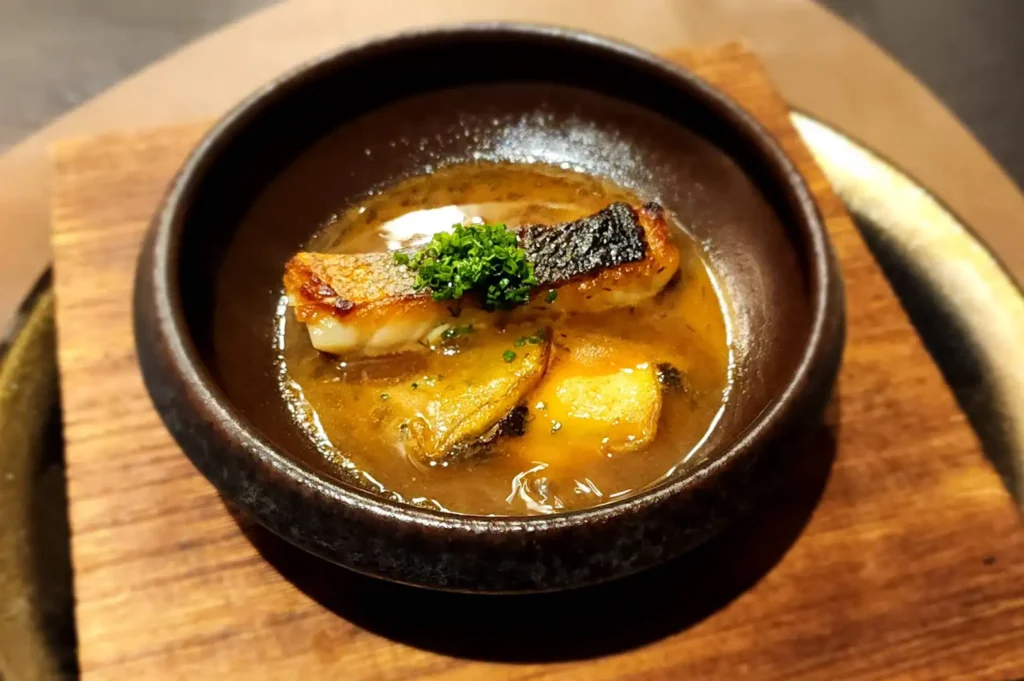
Omakase here feels like receiving little gifts from the sea, with those seasonal treasures arriving multiple times each week straight from Japan’s Toyosu Market. You’ll watch the chef’s hands move with such practiced grace , that precise knife work, the way they season each grain of shari just so creating these sushi moments that let premium seafood like fatty tuna and sea urchin shine in all their natural glory.
Most omakase spots embrace you with intimate counter seating and just a handful of seats, creating this lovely closeness between you and the chef. Your meal becomes this gentle journey, starting with light appetizers that awaken your senses, flowing through seasonal sashimi and carefully crafted sushi, warming you with thoughtful hot dishes, and ending sweetly with dessert. It’s this complete, immersive experience that makes you understand why Japanese dining feels so deeply satisfying.
Conclusion
Omakase is not about the price. It’s not about the prestige.
It’s about sitting still long enough to let someone else decide, and trusting that what arrives will mean something.t precious ingredients, making every meal a memory to cherish.
For those who eat with intention, who find meaning in a well-made bowl or a quietly prepared plate, omakase offers something rare: the chance to be fed, not just served. There is no menu to deliberate over. No anxiety of choosing wrong. Just a counter, a chef, and a progression of dishes shaped by the season and the hands that know it best.
For food lovers who have grown tired of eating for the photo, omakase is a return to something quieter. Something that asks more of you — and gives more back.
Discover the best omakase restaurants in Singapore has to offer and elevate your dining experience. Visit Best Omakase to explore top restaurants and exclusive guides.