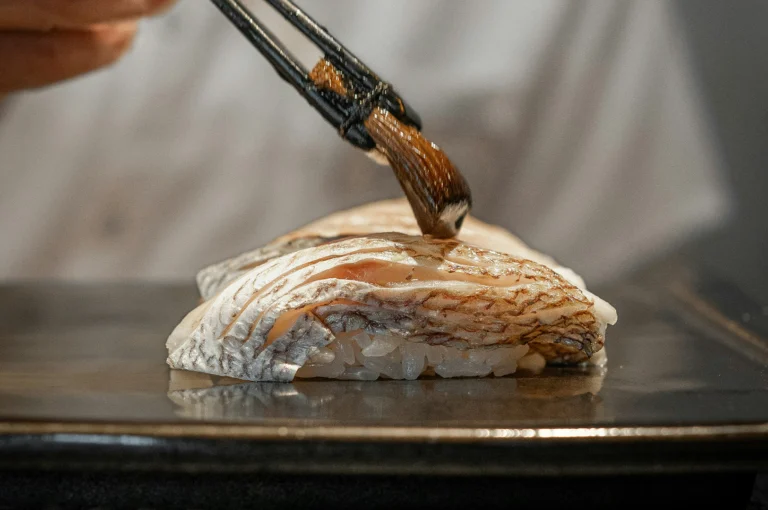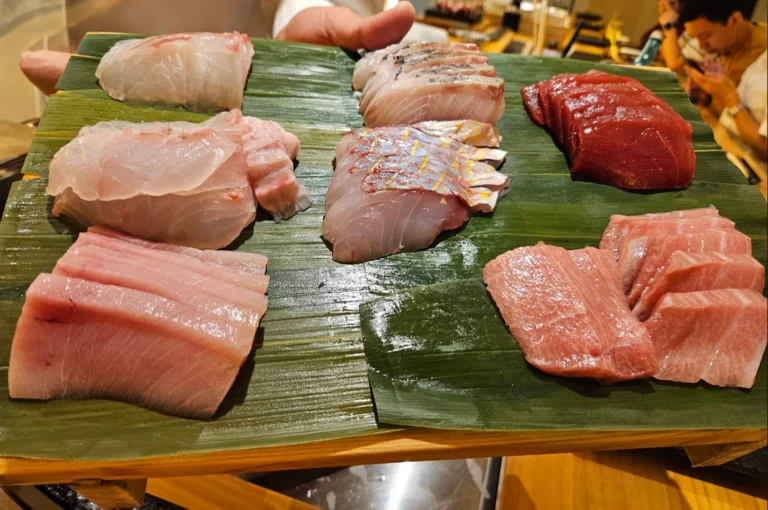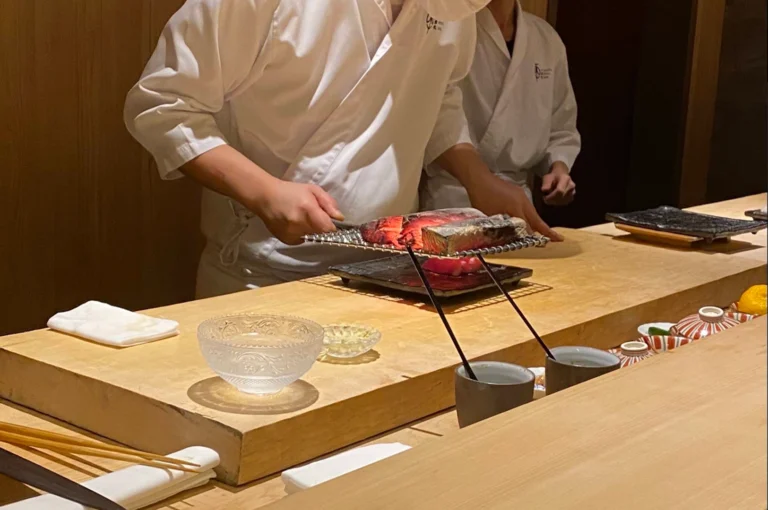
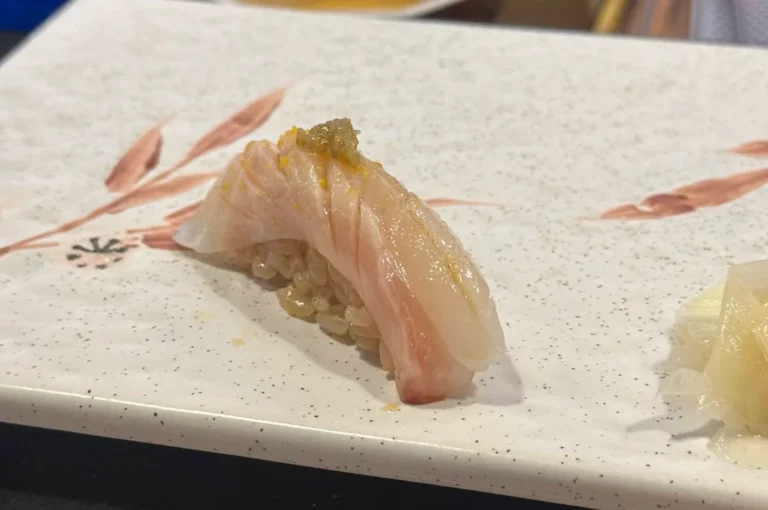
There’s something quietly profound about sitting at an omakase counter, watching a chef’s hands move with practiced intention as they select each piece of fish, each grain of rice. This is omakase dining, a gentle surrender where we place our trust in the chef’s understanding of season and craft, allowing them to guide us through a meal that speaks of the moment, of what the ocean and earth are offering right now. The tradition unfolds naturally, each course revealing the chef’s relationship with ingredients that have reached their perfect moment, creating something that feels both timeless and entirely present.
Another key element that elevates seasonal omakase is the chef’s skill in balancing raw and cooked dishes, ensuring a perfect harmony throughout the meal. From delicate seasonal sashimi and expertly crafted nigiri to thoughtfully prepared hot dishes such as grilled or simmered seafood, each course is designed to showcase the freshest ingredients while providing textural and flavor contrasts. This careful orchestration allows diners to experience a good balance of tastes and temperatures, highlighting the exceptional quality of the finest ingredients sourced directly from markets like Toyosu. Whether enjoying an affordable omakase or a premium omakase, this thoughtful progression ensures that every bite contributes to a memorable culinary journey, making omakase dining in Singapore a truly special occasion.
For those eager to embark on this exquisite culinary journey, discovering the best Japanese omakase in Singapore offers an unparalleled taste of tradition and seasonality. Learn more about the art of omakase and its unique dining philosophy here.
The Philosophy Behind Seasonal Omakase
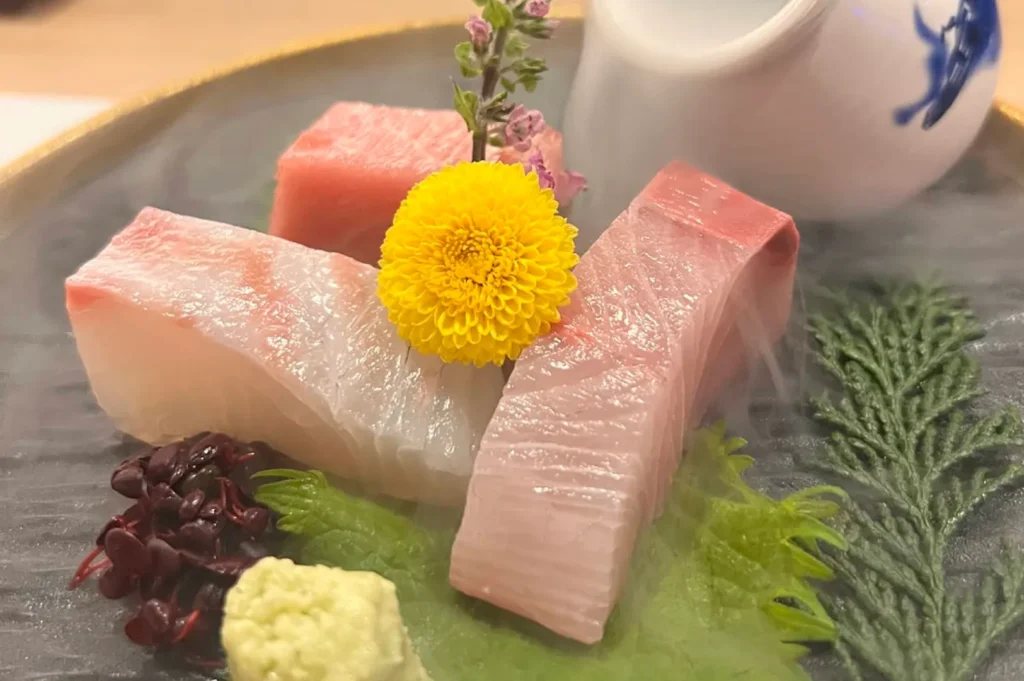
At the quiet center of this experience lies shun—a Japanese understanding that speaks to something deeper than mere timing. It’s the recognition that every ingredient has its moment of perfection, a brief window when flavor reaches its fullest expression. When a chef works within this philosophy, you can feel the difference. The way they handle spring’s first sea bream or select autumn’s matsutake mushrooms carries a reverence that translates directly to the plate. Each course becomes a conversation between the chef’s knowledge and the ingredient’s natural peak, creating meals that shift and breathe with the seasons, never quite the same twice.
Seasonal Ingredients and Their Influence on Omakase Menus
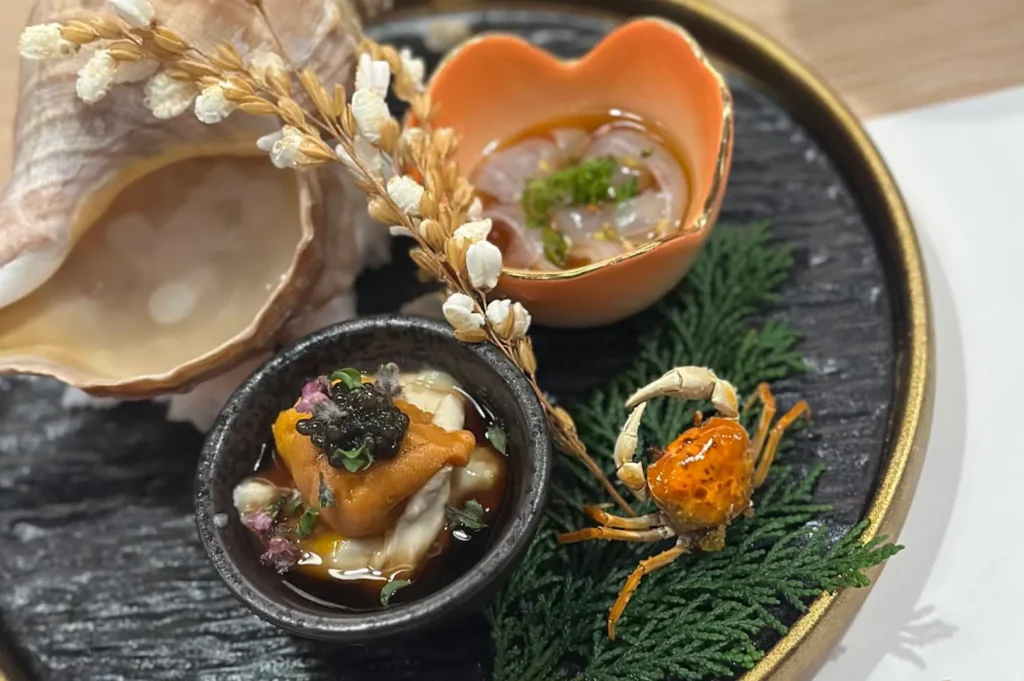
The rhythm of seasonal omakase unfolds like a quiet meditation on time and place. Spring arrives with cherry blossom sea bream, its delicate flesh speaking of renewal, paired perhaps with young bamboo shoots that carry the earth’s awakening. Summer deepens the palette, sea urchin that tastes of ocean warmth, fatty tuna that melts with richness. There’s something deeply satisfying about watching a chef’s eyes light up when describing autumn’s matsutake mushrooms or the way Pacific saury captures the season’s shift. Winter draws us inward with indulgent warmth, the luxurious belly of fatty tuna, snow crab that offers comfort against the cold. Each season brings its own emotional cadence, and skilled chefs translate this into courses that resonate beyond mere taste.
Seasonal omakase also thrives on the chef’s ability to innovate within tradition. While the foundation lies in respecting the Japanese dining style and its seasonal rhythms, chefs often introduce subtle twists that reflect their personal artistry and the unique context of Singapore. This might mean incorporating local nuances or presenting classic dishes with a fresh perspective, all while maintaining the integrity of the omakase sets. Such creativity ensures that even repeat diners find new delights with each visit, deepening their appreciation for the evolving dialogue between chef, ingredient, and seasonality.
The Role of the Chef in Omakase Dining
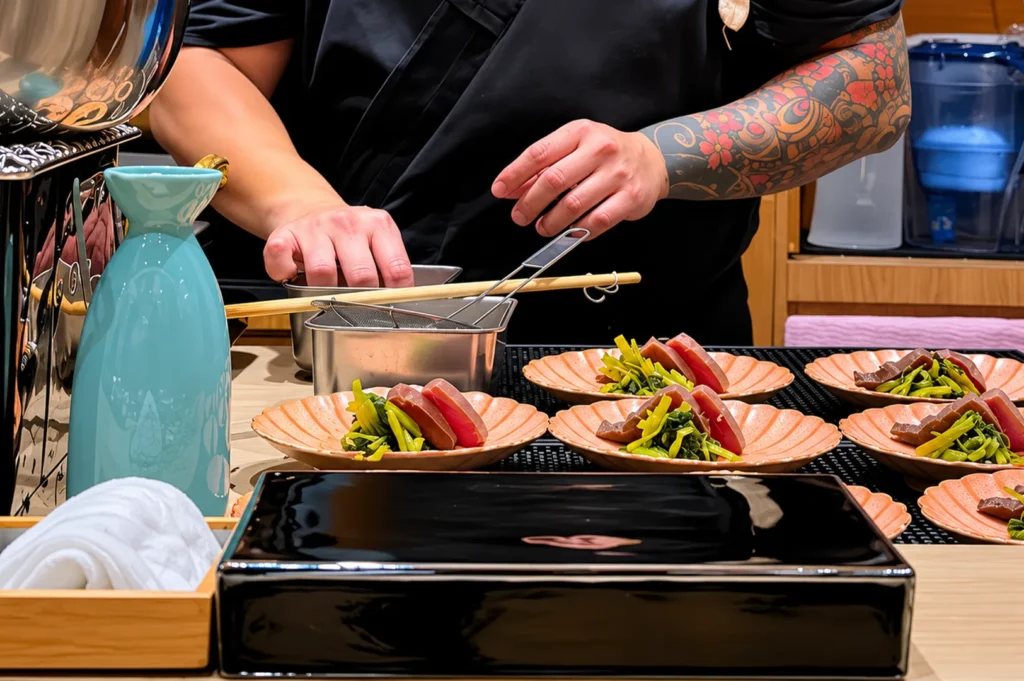
Chef Masa at Sushi Masa by Ki-setsu embodies this thoughtful approach to seasonal omakase in Singapore. Watching him work reveals the subtle artistry that makes omakase feel less like dining and more like witnessing a craft in motion. His hands move with precision refined over years, the way he examines each piece of fish, the gentle pressure as he shapes rice, the measured pause before placing each course before you. The ingredients arrive daily from Japan, but it’s his understanding of their potential that transforms them into something memorable. The counter seating becomes essential here, not just for proximity, but for the quiet dialogue that develops between chef and diner, built course by course through shared appreciation of craft.
Intimate Dining and Personalized Service
There’s wisdom in the intimate scale of omakase restaurants, those counters that seat perhaps eight to fourteen guests, no more. This limitation isn’t about exclusivity so much as creating the right conditions for connection. When you can watch every movement, hear the subtle sizzle as fish touches warm rice, catch the chef’s eye as they explain their choice of preparation, the meal becomes something shared rather than simply served. The atmosphere settles into something serene, focused, where conversation flows naturally around the rhythm of service. This closeness allows you to appreciate not just the final dish, but the intention behind each cut, each pairing, each moment of timing that brings the course to completion.
Seasonal Omakase in Singapore: A Culinary Journey
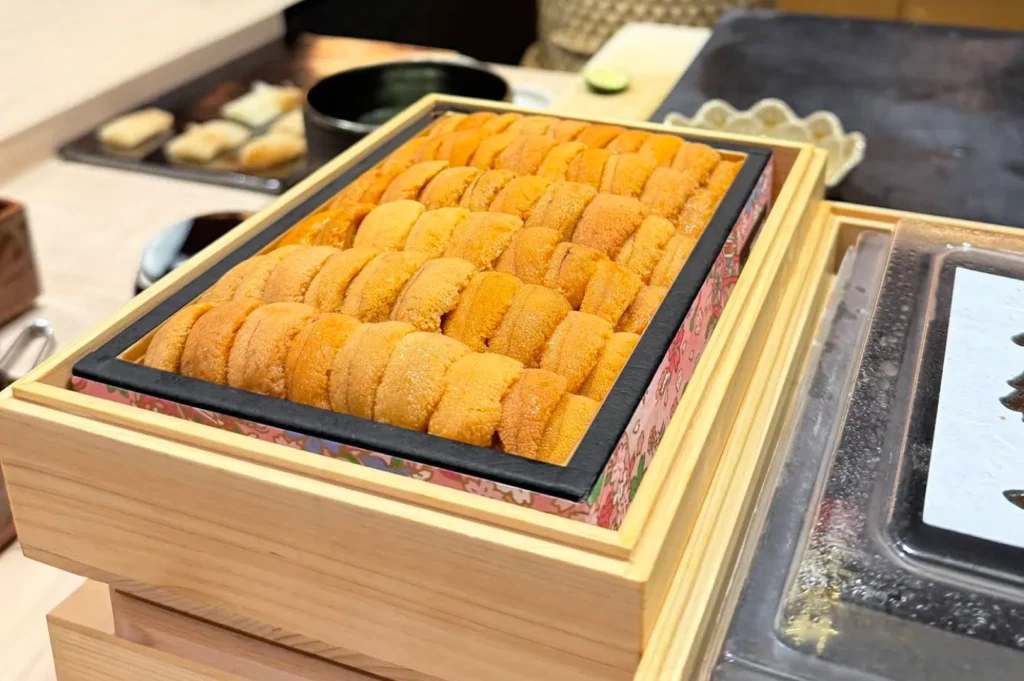
Singapore’s omakase scene has developed its own quiet confidence, with restaurants like Sushi Masa by Ki-setsu,Sushi Muni, and Sushi Yujo each expressing their understanding of seasonal Japanese cuisine in distinct ways. What strikes you most is how these chefs have maintained the essential spirit of omakase while adapting to their setting, the careful sourcing of premium seafood like scallop, sea urchin, and fatty tuna, the attention to timing that ensures each ingredient arrives at its peak. Whether you choose lunch omakase or settle in for the evening’s progression, there’s a thoughtful pacing that allows flavors to build and develop, moving from lighter expressions to richer satisfactions, concluding with dessert that provides gentle closure to the journey.
Another important aspect of the seasonal omakase experience is the diversity and progression of courses that the chef curates. Starting with a light appetiser to awaken the palate, the meal typically moves through a seasonal tasting menu based on the freshest seasonal ingredients available. This may include a variety of sushi courses, sashimi, and cooked items that showcase the chef’s skill and respect for the ingredients. The thoughtful pacing ensures a perfect balance between flavors and textures, allowing diners to fully appreciate each dish. Whether enjoying lunch courses or a dinner omakase menu, the experience is carefully designed to highlight the unique qualities of each season’s produce, making every visit distinct and memorable.
Planning Your Omakase Dining Experience

The practicalities of omakase dining carry their own quiet ceremony. Reservations become necessary not from pretension, but from the simple reality that these intimate spaces fill quickly, particularly in areas like Cuppage Plaza and Tanjong Pagar where Singapore’s omakase culture has taken root. The suggested smart casual dress reflects the meal’s refined nature without formality that might create distance between diner and chef. Many restaurants offer both lunch and dinner progressions, with lunch omakase often providing a gentler introduction to the experience, both in intensity and investment, making it a thoughtful way to begin understanding what this style of dining offers.
Conclusion
The most memorable omakase experiences feel less like meals and more like quiet conversations about seasonality, craftsmanship, and the moments when technique serves something larger than itself. When chefs honor the peak of seasonal ingredients, when they present each course with care that comes from understanding rather than showmanship, when the counter becomes a space for genuine connection, omakase transcends dining and becomes something more contemplative. In Singapore’s thoughtful omakase restaurants, this tradition continues to evolve while maintaining its essential character: the gentle trust between chef and diner, the celebration of perfect timing, and the quiet satisfaction that comes from experiencing Japanese cuisine at its most authentic and present.
For those eager to embark on this exquisite culinary journey, discovering the best Japanese omakase in Singapore offers an unparalleled taste of tradition and seasonality.