The first time I stepped into Kappou at Fortune Centre, the quiet hum of conversation and the subtle clink of glassware set a reflective tone. I felt a sense of anticipation, not unlike the pause before a carefully choreographed performance. For a first-time diner, it’s the kind of calm that invites attention—every detail, from the arrangement of tableware to the gentle aroma of freshly prepared fish, seems purposefully orchestrated. Here, ritual meets art, and the experience is as much about observing technique as it is about tasting. It’s no surprise that Kappou is often regarded as one of the best omakase tables, where diners can enjoy a personalized and immersive culinary journey.
First Impressions: The Harmony of Space and Intention
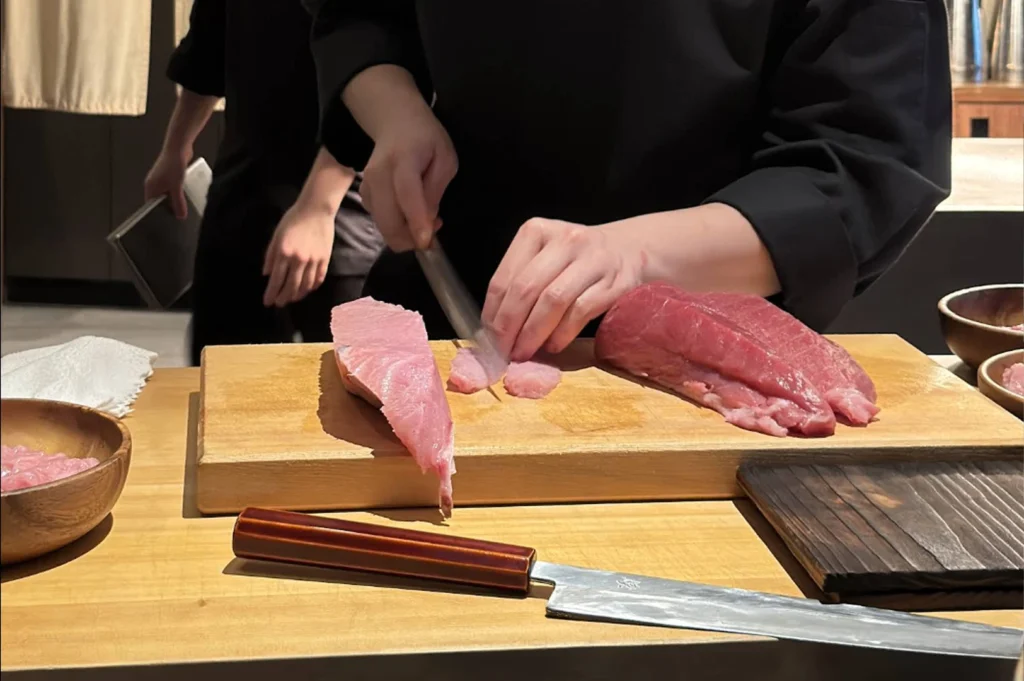
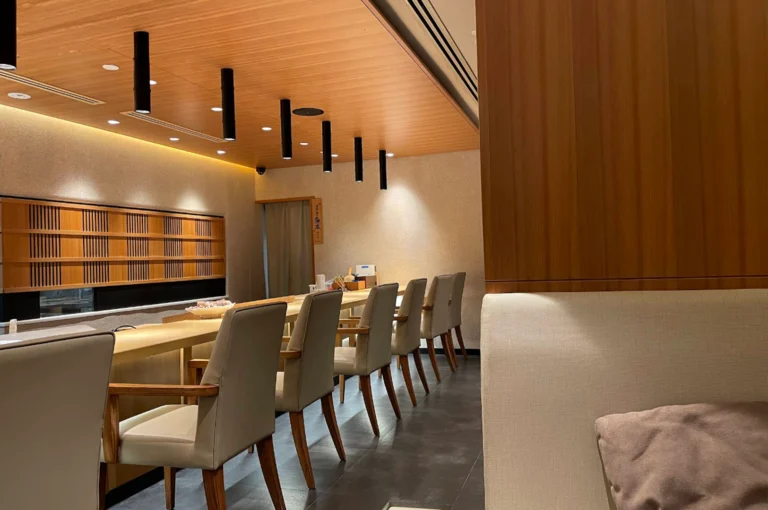
Walking past the entrance, I noticed the subtle warmth of the lighting, which fell across the glassware and polished counters, creating a gentle reflection of movement. The environment encourages mindfulness. Unlike busier Japanese restaurants in central Singapore, Kappou offers contemporary repose, allowing diners to settle into the rhythm of the dining experience. Even before a single bite, the sense of chef Aeron’s artistic flair is evident in the thoughtful layout, signaling that each element—from small production wine to specially crafted sake—has a place in the culinary narrative.
Between Courses: Kappou’s Dining Philosophy
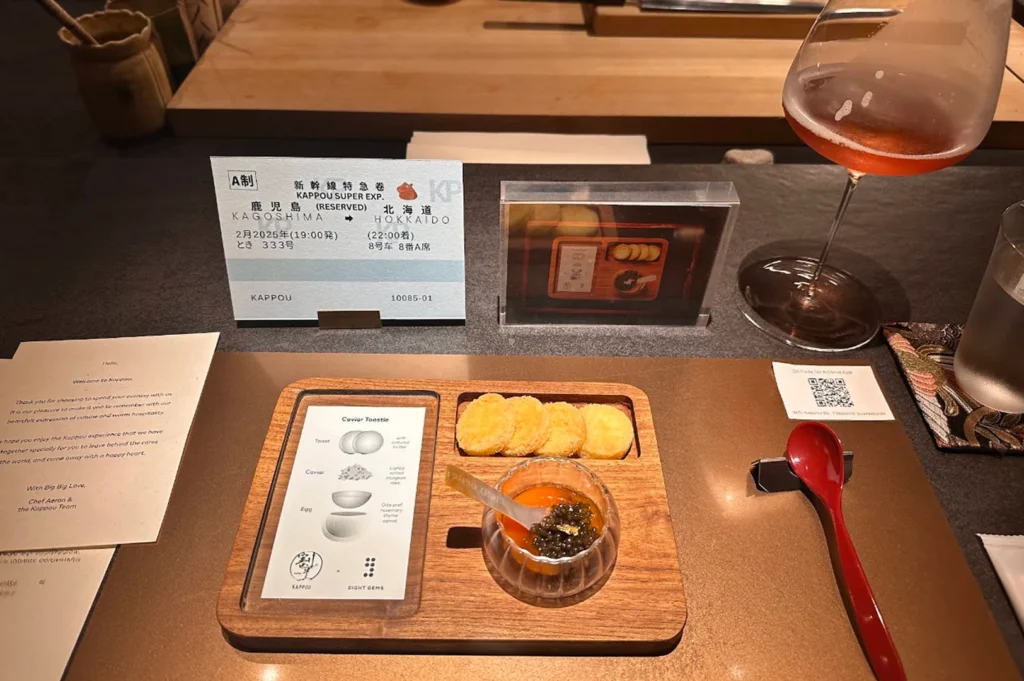
Kappou’s approach to Japanese heritage is subtle but deliberate. The extensive menu showcases seasonal ingredients and emphasizes time-honoured Japanese techniques, from surf clam preparation to the delicate balance of sushi rice. I found myself pausing between courses, appreciating not only the flavors but the forward palate the chef cultivates. It is an intimate dialogue: every dish served communicates chef Aeron’s philosophy of precision, restraint, and thoughtful execution.
The experience reminded me why omakase is not just about consumption but observation. Watching chef Aeron craft each plate, I was struck by how custom curated ingredients and careful attention to little detail transform simple components into a unique culinary narrative.
Highlighting the Craft: Signature Courses and Extensive Menu
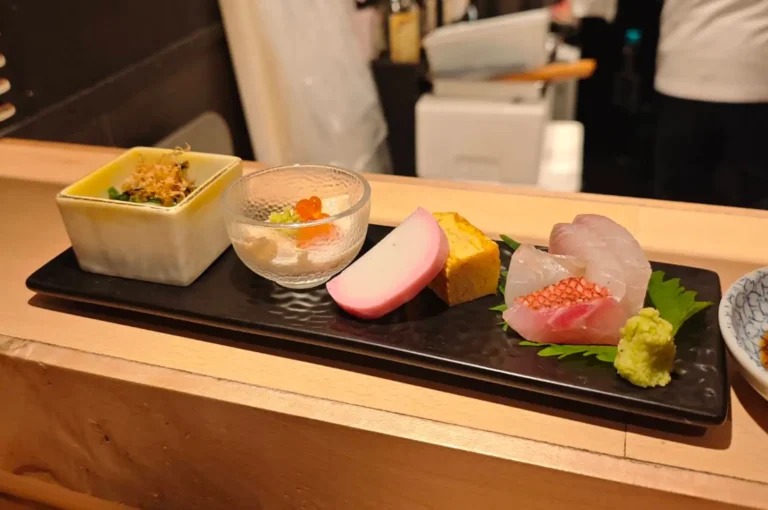
Among the highlights, the surf clam stood out for its delicate texture and subtle brininess. Paired with a small production wine, it exemplified the perfect pairing philosophy that runs through the extensive menu. Similarly, the artisanal beverages—from grower’s champagne to specially crafted sake—enhanced rather than overwhelmed, reinforcing the harmony of ritual meets art.
The menu features:
- Seasonal ingredients carefully selected to showcase freshness and quality
- Signature dishes like surf clam, sushi, and crab prepared with traditional Japanese techniques
- A curated selection of artisanal beverages including sake, grower’s champagne, and small production wines
- Courses designed to balance textures, flavors, and visual presentation, offering a unique culinary narrative
It’s in these moments that Kappou’s dining philosophy becomes tangible. Each plate balances crispy textures with tender fish, and every course prepared demonstrates a meticulous layering of Japanese heritage and contemporary innovation.
Understanding Kappo: The Art of “Cut and Cook”
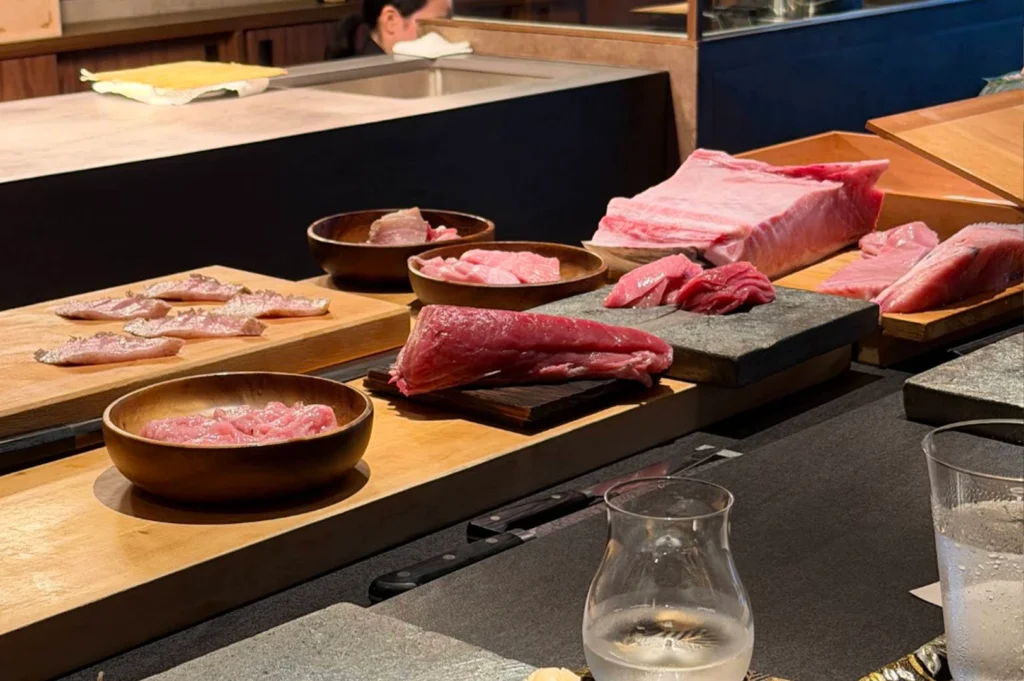
Kappo, which translates literally to “cut and cook,” represents a distinctive style of Japanese cuisine that balances formal Kaiseki dining and the casual atmosphere of an Izakaya. Unlike specialized chefs who focus solely on sushi or ramen, Kappo chefs demonstrate mastery across a variety of cooking techniques, including slicing, simmering, and grilling.
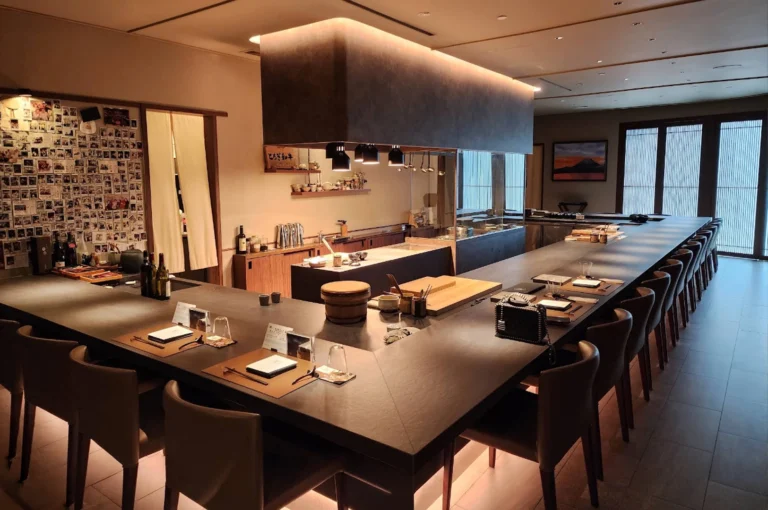
A defining point of Kappo dining is the close interaction between chef and guests. Typically, diners are seated at a counter where they can watch the chef prepare their meals in real-time. This direct engagement fosters a personalized connection, enhancing the overall dining experience greater than just the food itself.
Kappo’s emphasis on seasonal ingredients and artisanal beverage pairings, including sake and infused spirits, reflects Japan’s deep appreciation for harmony and balance in food and drink. This intimate setting, often with a seating capacity of around 20 guests, requires reservations to ensure a focused and attentive experience. Whether for lunch or dinner, Kappo offers a night of culinary artistry and thoughtful hospitality that leaves a lasting impression.
Fortune Centre: A Reflective Culinary Hub
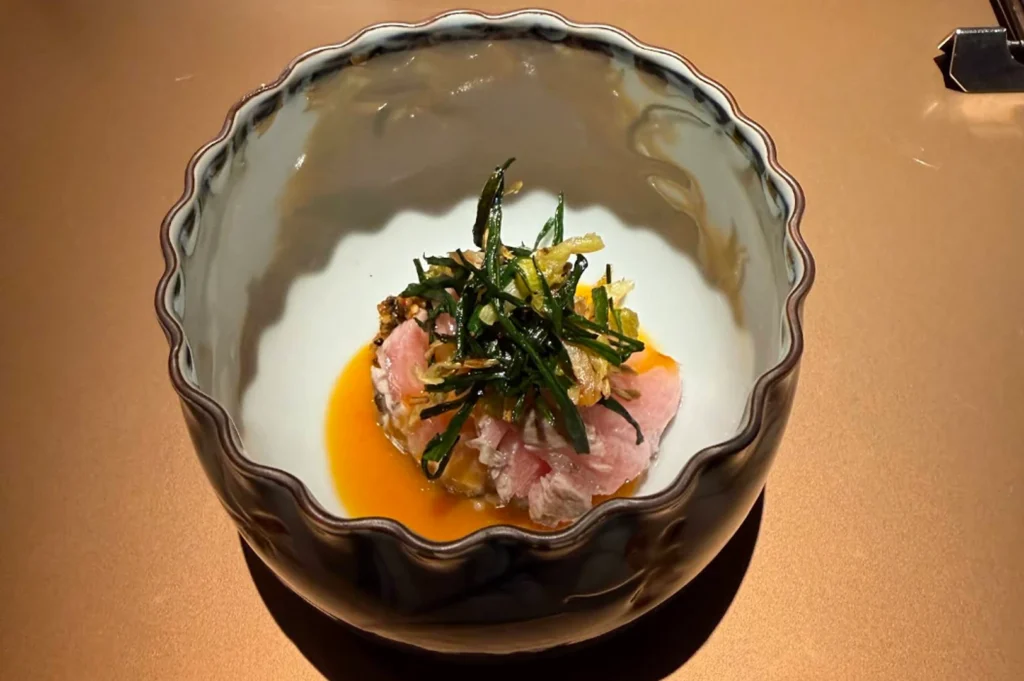
Part of Kappou’s charm lay in its setting. Nestled within Fortune Centre, a hub known for its diverse Fortune Centre Food offerings, the space itself contributed to the sense of contemporary repose. Amid the hum of the building and the occasional chatter from neighboring Fortune Centre restaurants, the restaurant’s design encouraged focus on both flavours and form. The setting reminded me of the careful consideration Chef Aeron brought to menu curation and service flow.
Note: When I first discovered Kappou Japanese Sushi Tapas Bar, it was tucked away at Fortune Centre, 190 Middle Road, #02-10A. Since then, I’ve noticed that their official website now lists a new address: 18 Robinson Road, #03-01. It seems they’ve relocated, bringing their unique blend of carefully selected ingredients and artisanal pairings to a fresh spot in Singapore’s vibrant dining scene.
Observing Technique: From Knife Work to Plating
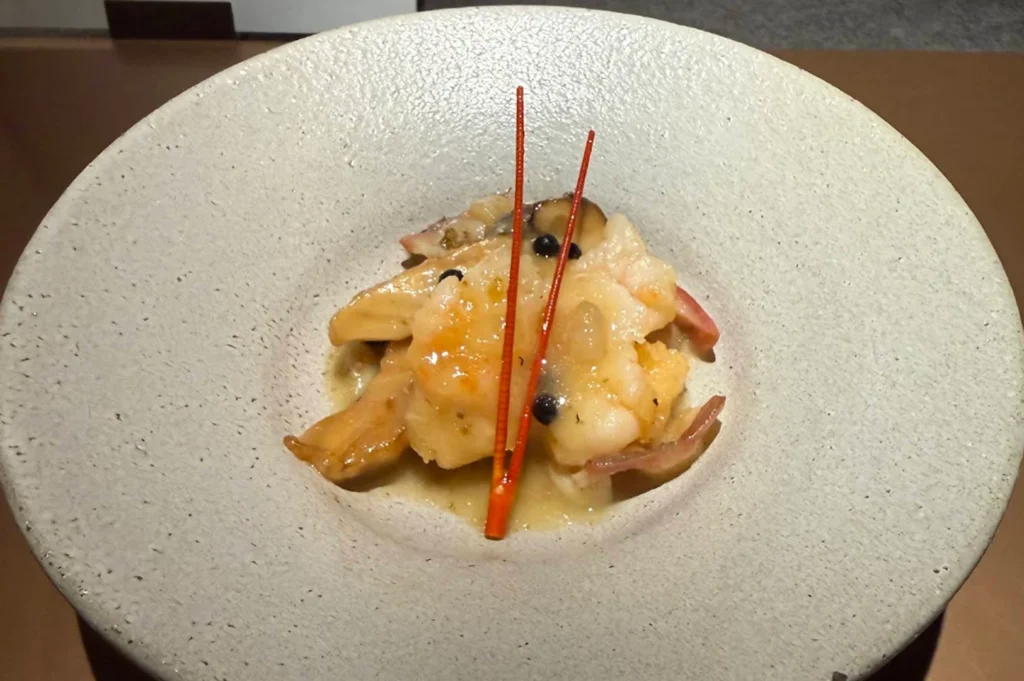
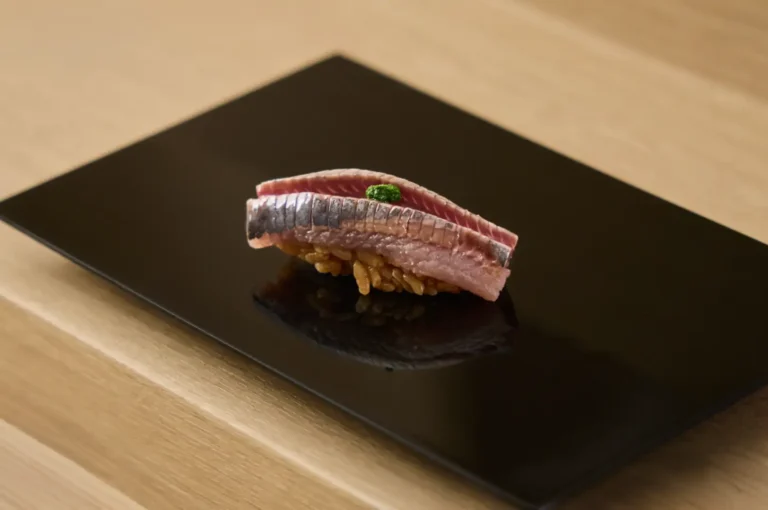
Watching chef Aeron at work, I noticed the rhythm of motion and the precision applied to every slice. Ingredients are carefully selected, crafted, and plated to highlight both texture and visual balance—what the chef calls the golden ratio. Even subtle details, like the placement of microgreens or the alignment of sushi, reflect a commitment to a modern ode to Japanese dining traditions.
This careful attention to detail transforms each course into a moment of reflection. For a diner, it is a chance to witness entrepreneurial vision in motion, where craftsmanship, heritage, and innovation converge.
Pairings and the Forward Palate
Kappou’s beverage program is a lesson in subtlety. Sake and small production wines are paired with courses to complement rather than dominate, showcasing chef Aeron’s artistic flair. The forward palate is guided carefully—each sip prepares the senses for the next course, whether it is the delicate surf clam or a rich crab dish. These pairings reveal how ritual meets art, creating a cohesive dining experience that extends beyond taste.
Reflections on Dining at Kappou
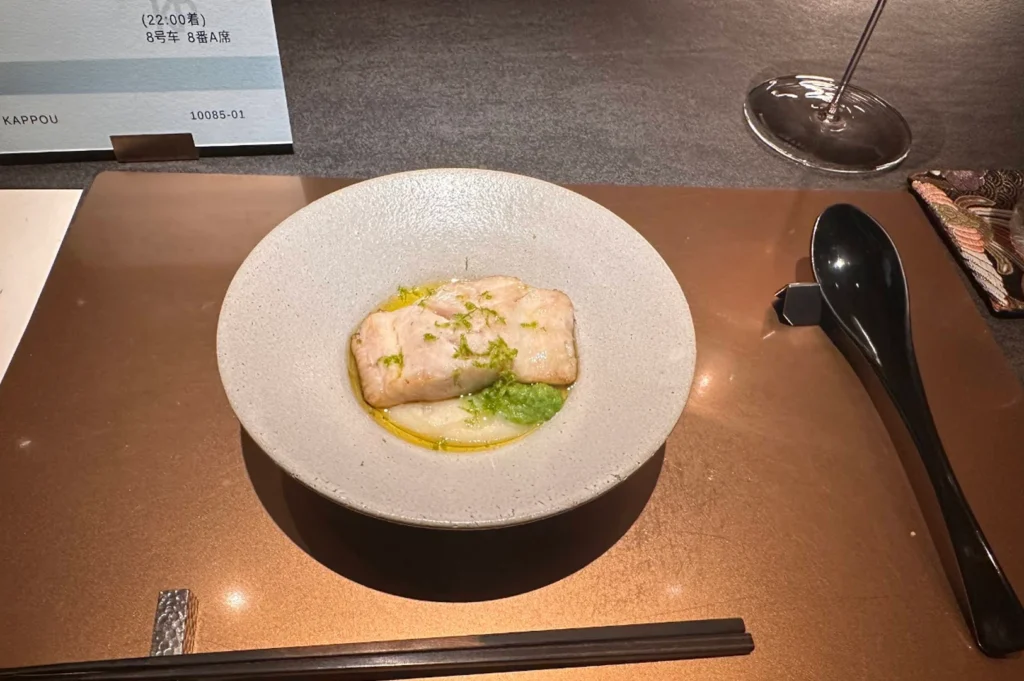
Leaving the table, I carried more than the taste of seasonal ingredients and crispy textures. I carried an understanding of how Japanese heritage can be reinterpreted with humble origins and custom curated elements, how chef Aeron’s philosophy bridges craft and emotion, and how every small detail contributes to a unique culinary narrative.
For first-time diners or seasoned omakase enthusiasts, Kappou offers both intimacy and education—a rare combination that makes every meal feel deliberate yet effortless.
For those interested in exploring more Kappo-style omakase experiences, check out this detailed review of Shunsui Singapore here.