Ashino Sushi Singapore is an intimate restaurant on Club Street where Chef Taku Ashino serves masterful Edomae sushi with quiet confidence and precise, traditional technique. For sushi enthusiasts and diners who value craftsmanship over spectacle, it offers a thoughtful, personal experience shaped by seasonality, careful rice preparation, aged sushi methods, and fish handled with uncommon respect.
Beyond exceptional ingredients, Ashino offers a refreshed seasonal menu that highlights fresh, quality seafood, making each omakase unique from crisp salmon nigiri to sweet marinated conch. Discerning diners appreciate how time, technique, intention, and ethical preparation shape every piece. The experience is contemplative, letting the natural umami shine through the chef’s mastery and his delicate 10-year-old soy sauce. Below, discover what makes Ashino distinctive, from its setting and menu to its celebrated dishes and why it remains one of Singapore’s top spots for authentic Edomae sushi.
An Intimate and Traditional Dining Setting
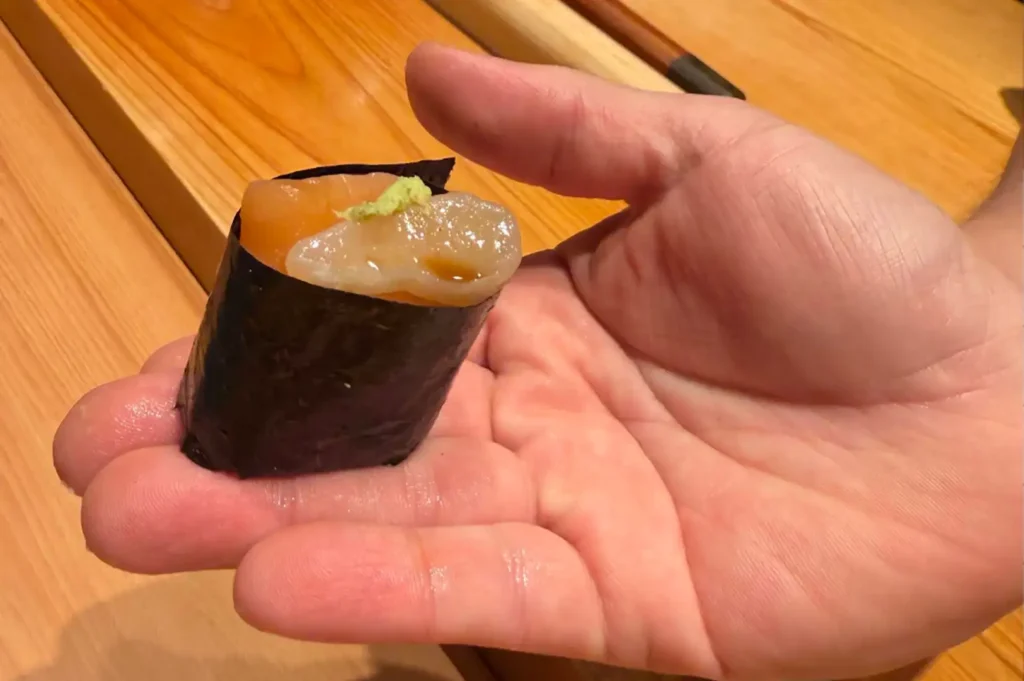
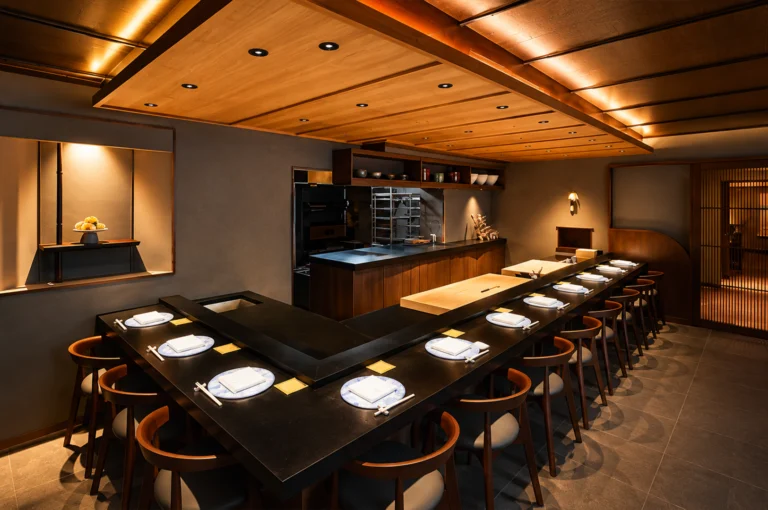
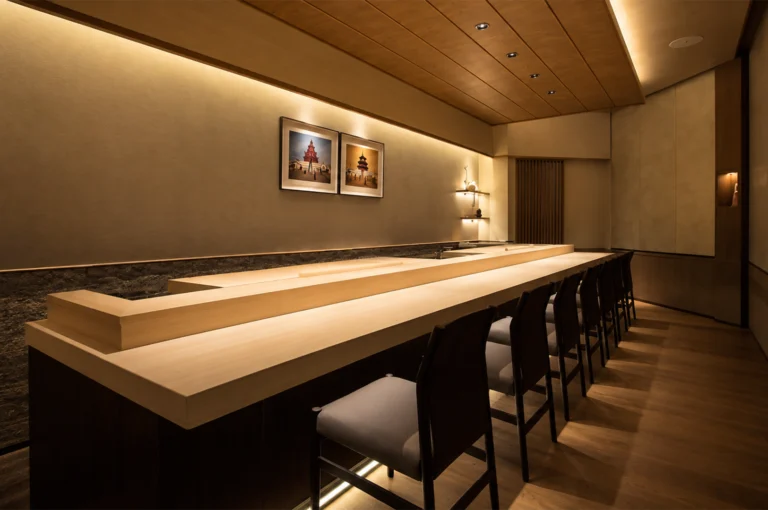
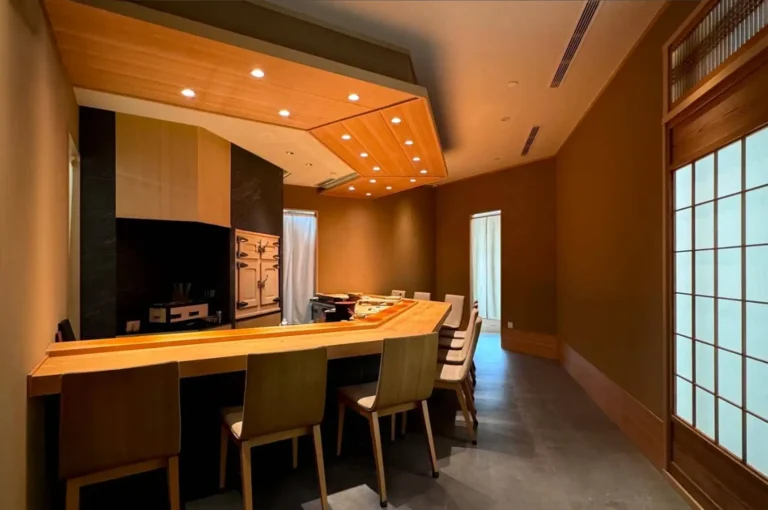
Walking into Ashino feels like crossing a threshold into something more contemplative. The space itself seems to breathe with restraint, everything pared down to what truly matters. Ten, perhaps twelve seats curve around a counter carved from hinoki cypress that has witnessed nearly two centuries of seasons. The wood carries its own quiet presence, and you sense immediately that this is where conversations happen not through words, but through the careful choreography between chef and diner. Reservations become necessary not merely because space is limited, but because what unfolds here requires a different kind of attention, the kind that can’t be rushed.
Location and Reservations
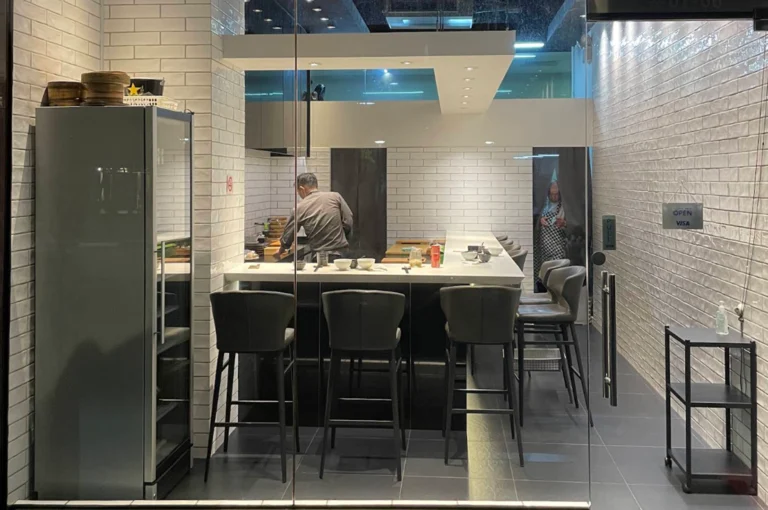
Finding Ashino at 8 Club Street, within the Icon Hotel near City Hall, feels like discovering something hidden in plain sight. The location carries urban energy while maintaining the restaurant’s contemplative atmosphere. The limited seating and growing appreciation for what Chef Ashino creates here makes reservations less convenience than necessity. A small ritual that begins the experience of slowing down and paying attention.
The Art of Aged Sushi and Ethical Fish Preparation by Chef Ashino
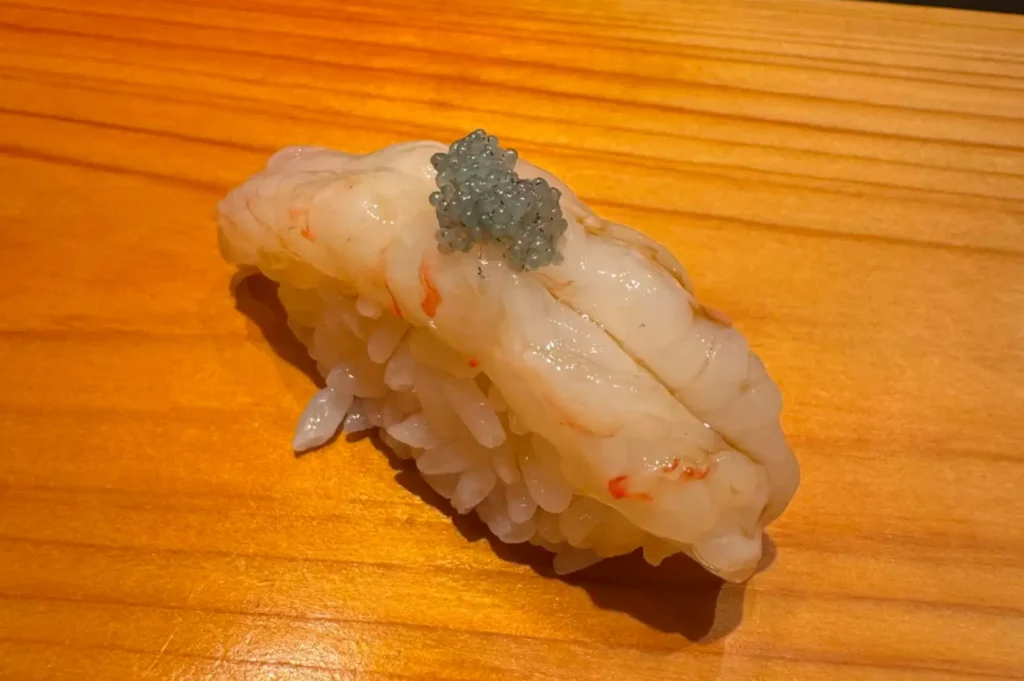
When Chef Ashino speaks of jukusei, there’s reverence in how the words settle. This aged sushi technique isn’t simply about waiting; it’s about understanding how time itself becomes an ingredient. Salt and vinegar work their quiet transformation over days, sometimes extending to forty, until the fish develops something almost translucent, a glassy depth that speaks to patience rewarded. The process reveals itself in each bite, where umami doesn’t simply arrive but seems to bloom slowly across your palate.
Behind each piece lies the shinkejime method, a technique that honors the fish even in its final moments. The swift severing of the spinal cord isn’t merely about preservation; it’s about maintaining dignity in the process, ensuring the flesh remains tender not through force but through understanding. This attention to the fish’s final experience becomes part of what you eventually taste. A gentleness that carries through to the final preparation.
Exceptional Sushi Rice Preparation
The rice at Ashino tells its own quiet story, beginning with two varieties: Koshikikari and Nahatsu Boshi that Chef Ashino has learned to balance like a conversation between old friends. The grains are washed in water that has traveled from Mount Fuji, carrying with it something of that mountain’s ancient patience.
When the rice meets the Nanbu Tetsu iron kettle, the process becomes almost meditative. The traditional vessel distributes heat with the kind of evenness that only comes from generations of refinement, and you can sense this care in how each grain holds its shape while yielding to gentle pressure. The subtle aroma that develops speaks to why certain tools persist across centuries, not for nostalgia, but because they simply work better. This foundation becomes the canvas upon which everything else builds, and you understand why such care matters when that first piece touches your tongue.
Seasonal Seafood and Unique Sushi Offerings
The fish here arrives carrying stories from distant waters, some flown directly from Japan’s markets, others drawn from local seas that hold their own mysteries. Kanpachi, Hirame, horse mackerel, botan ebi, uni. Each name carries weight not just as ingredient but as expression of season and place. The omakase unfolds like chapters in a longer story, where each piece is served with deliberate pacing and builds upon what came before while maintaining its own distinct voice.
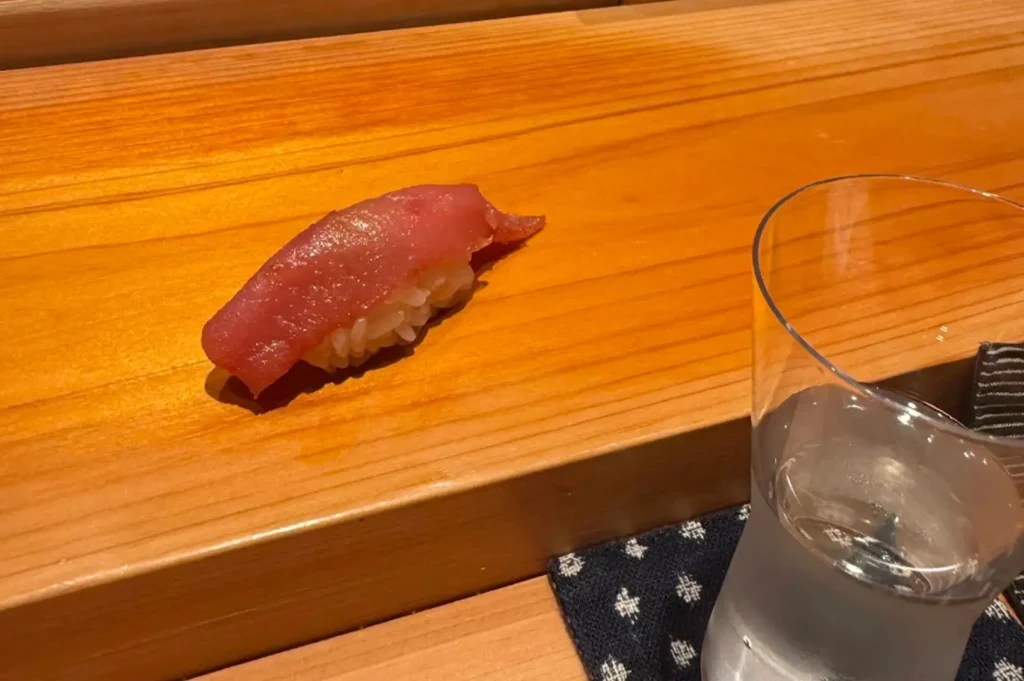
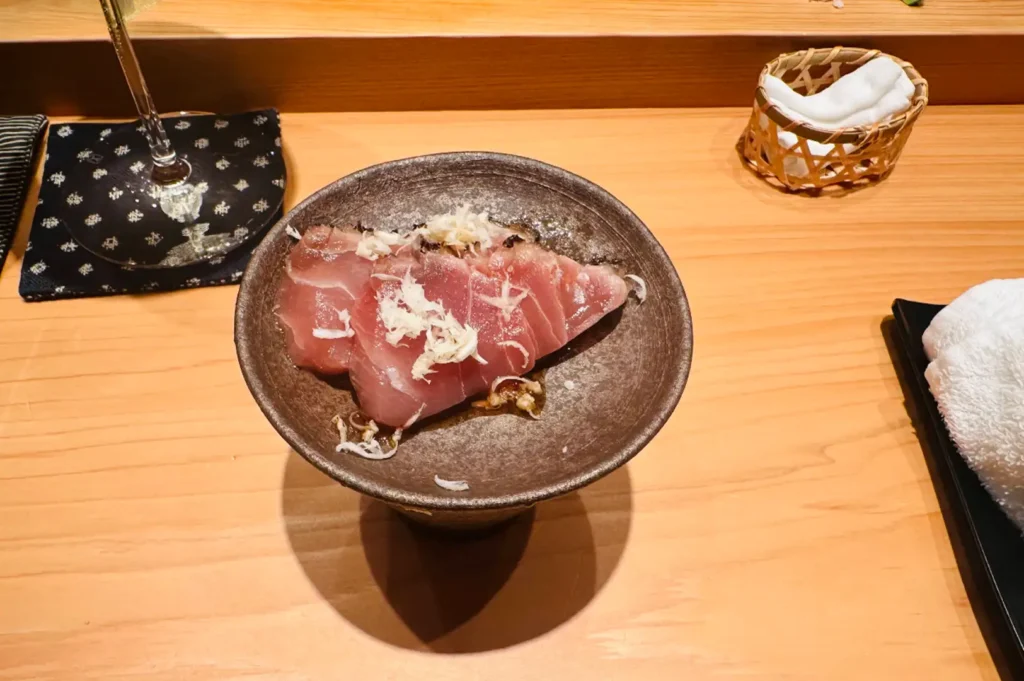
The aged fatty tuna arrives transformed by time and technique, cut from a tuna that weighed around 160kg, its richness deepened into something almost philosophical. King crab meat, treated with gentle marinades, offers sweetness that seems to expand slowly. Uni brings its own creamy contemplation, each spoonful holding the essence of ocean depths. These aren’t simply courses but individual dish moments in the omakase progression. Conversations between chef and ingredient, between tradition and innovation, between past and present.
The Omakase Experience at Ashino
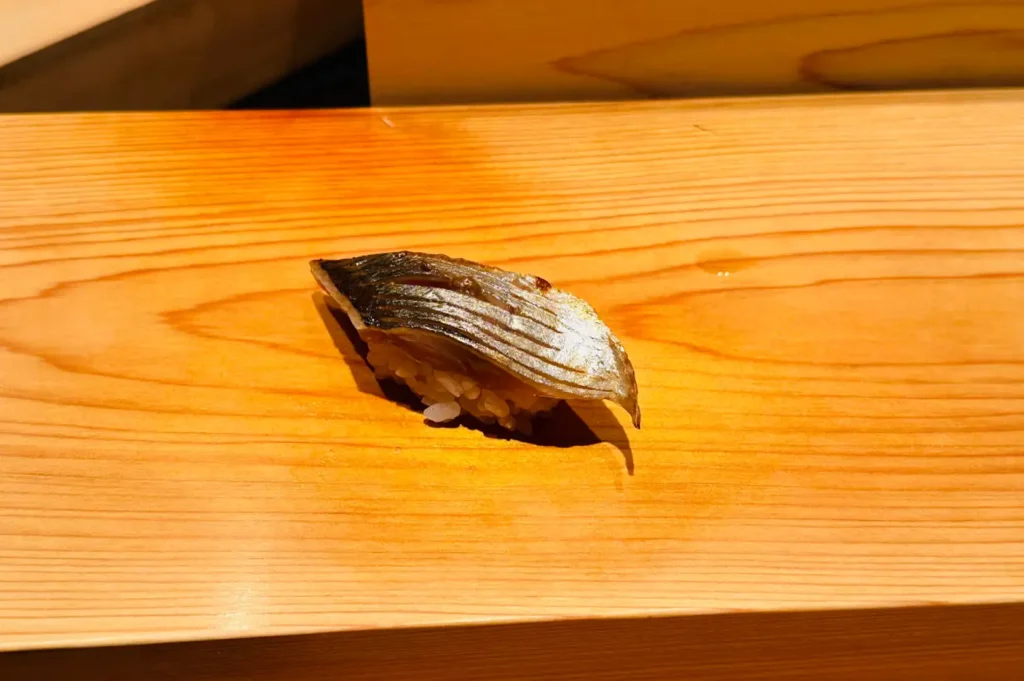
Priced at SGD 285++ for lunch, the omakase at Ashino is more than a meal. It’s a journey guided by Chef Ashino’s insights into each flavor, story, and sushi etiquette that enriches the experience. The dinner menu evolves with the seasons and inspiration, inviting repeat visits to discover new dimensions of his craft.
Each course unfolds deliberately, encouraging diners to slow down and appreciate how the combination of rice, fish, and seasoning shifts across the meal. A key point in Chef Ashino’s approach is the contrast between rice temperature and fish, along with how knife work shapes texture and balance. The meal ends with a warm miso soup and Ashino’s signature fermented salt ice cream, which, when paired with sake, makes the whole experience feel like a memorable treat that lingers long after the meal concludes.
Menu Offered at Ashino
Ashino restaurant is a Japanese restaurant that offers a carefully curated omakase meal highlighting the best of Edomae sushi craftsmanship. The menu changes seasonally to incorporate the freshest seafood caught or flown in from Japan, ensuring each sushi course is a unique experience. At Sushi Ashino, diners can expect a progression of pieces, including rare seasonal cuts like Kanpachi, Hirame, and botan ebi, alongside classic favorites such as uni sushi and aged fatty tuna. The dishes are meticulously prepared using traditional techniques like shinkejime for ethical fish killing and aged with a 10-year-old soy sauce that adds depth to each piece of sushi. The omakase meal typically concludes with a comforting bowl of miso soup and a signature fermented salt ice cream, making for a memorable dining journey.
Bestsellers at Ashino Sushi Singapore
Among the standout offerings at Ashino, the aged fatty tuna sushi remains a top favorite, with Ashino-san’s meticulous approach to jukusei aging bringing out its rich, matured flavor. Uni sushi is another bestseller, celebrated for its creamy texture and umami sweetness that pairs perfectly with the expertly prepared rice. The king crab meat nigiri, marinated octopus, and sujiko also feature prominently as highlights in the sushi course, drawing acclaim for their freshness and delicate balance. These bestsellers exemplify Ashino’s commitment to quality and precision, making them must-try dishes for both first-time visitors and returning guests seeking the kind of refined omakase experience diners look for in Tokyo.
Why Choose Ashino Sushi Singapore?
- Authentic Edomae traditions interpreted through Chef Taku Ashino’s thoughtful lens
- Aged sushi techniques that reveal how time becomes ingredient
- Fish prepared with ethical consideration and technical precision
- Rice preparation that honors traditional methods while embracing innovation
- Intimate setting that encourages genuine connection with craft
- Location that balances accessibility with atmosphere
For those who understand that great sushi isn’t simply about freshness but about the intersection of technique, time, and intention, Ashino offers something rare, a place where each piece carries not just flavor but story, where precision serves not itself but the deeper goal of creating genuine moments of appreciation.
Don’t forget to reserve ahead for Ashino, where each course becomes an invitation to slow down and discover how careful attention transforms simple ingredients into something approaching art.
Discover the best omakase restaurants in Singapore and allow your understanding to expand through thoughtful exploration. Visit Best Omakase to find restaurants where craft and intention converge.