There is a certain intimacy that comes with a sushi counter that seats only eight people. You are close enough to notice the chef’s hands, hear the knife against the board, and watch each piece of sushi and sashimi take shape before it reaches you. At Sushi Zen, that closeness is not incidental; it is the heart of the meal.
I visited the restaurant on Teck Lim Road expecting a fairly traditional Japanese omakase experience, and while the technique certainly has strong roots in Japan, there were details that made the evening feel distinctly its own. Chef-owner E Ran, who is originally from Beijing and trained in Japan, brings a different perspective to the counter, particularly in the way some flavours are layered into the meal.
Sushi Zen: Eight Seats, One Chef-Led Experience Sushi Restaurants
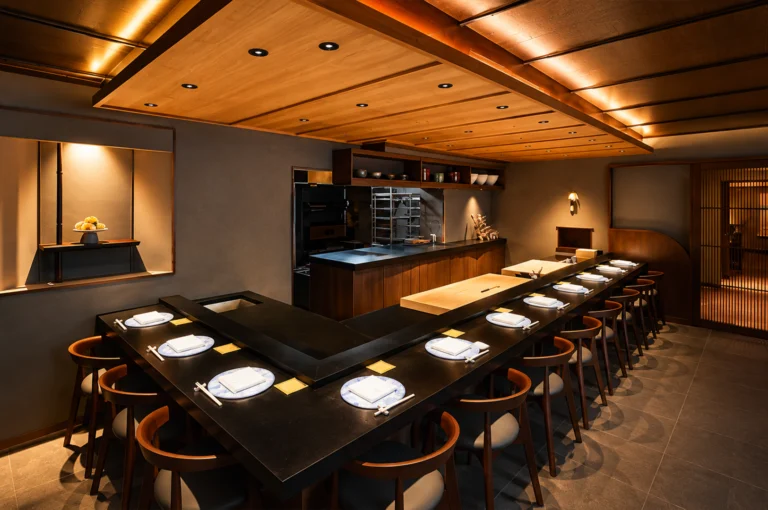
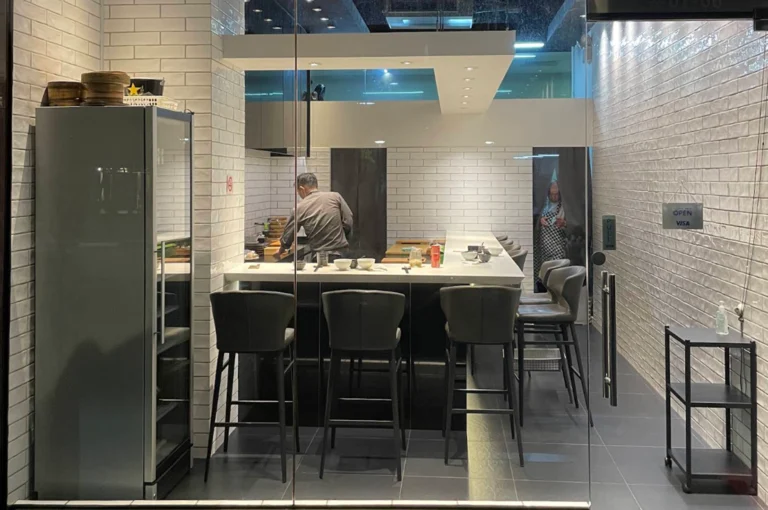
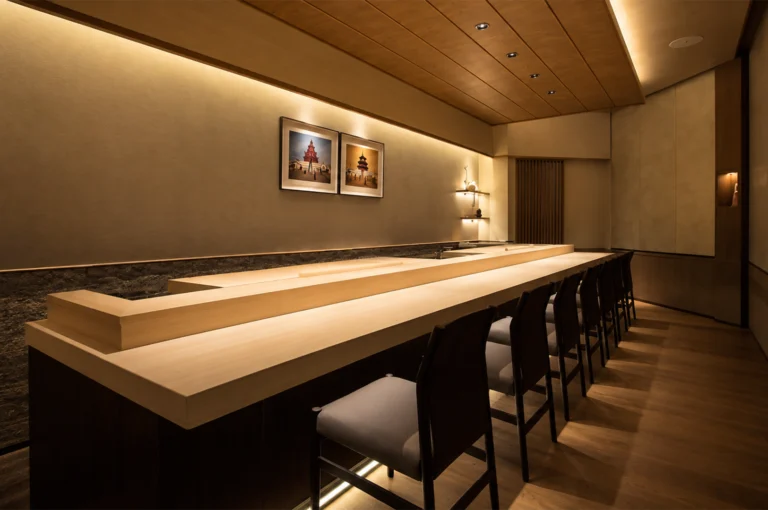
The room is minimalist and deliberately restrained. With just eight counter seats, there is little to distract from what is happening directly in front of you.
That proximity made the meal feel quite personal. I could follow Chef E Ran’s movements as he prepared the fish and shaped the sushi, while the relatively quiet setting gave each course room to breathe. It is not the kind of restaurant where you simply order a plate and carry on chatting; the counter naturally encourages you to pay attention.
Michelin describes the restaurant as a classic Japanese-style space, while also highlighting Chef E Ran’s Japanese training and the two omakase menus built around seafood flown from Japan and served fresh four times a week.
The Japanese Omakase at Sushi Zen
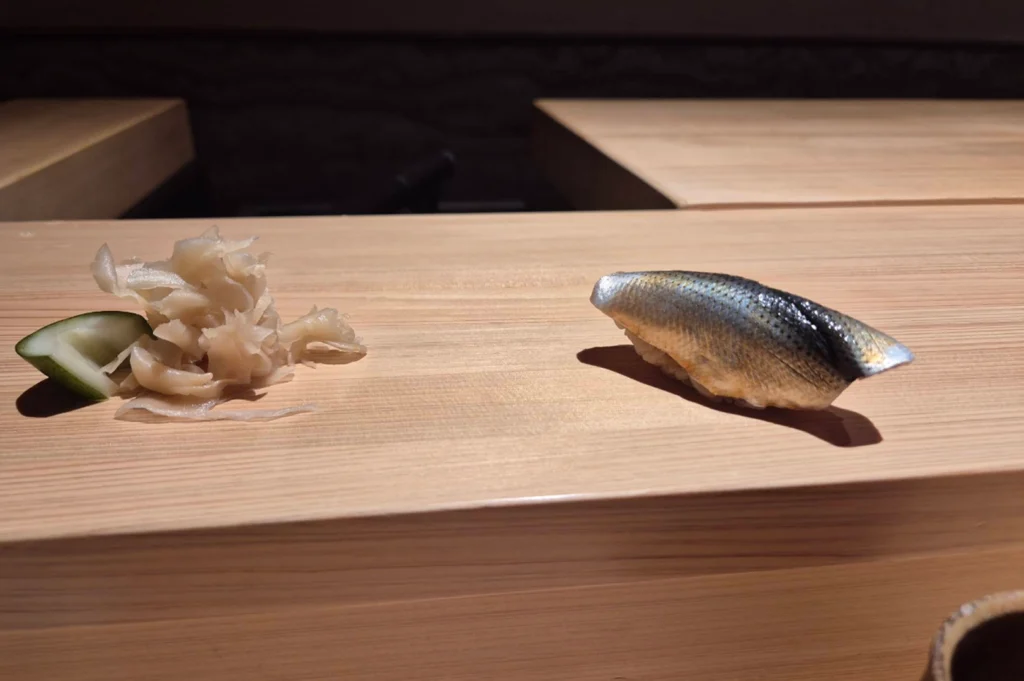
The omakase at Sushi Zen does not rush straight into nigiri. My meal moved through cooked preparations and seafood before the sushi became the main focus.
That progression gave the evening a little more texture. There were warm dishes to contrast with the cooler seafood, followed by a succession of sushi pieces that gradually became richer. Recent meals at the restaurant have similarly included appetisers, grilled or fried fish, a sequence of around 10 nigiri, soup, and dessert, although the exact dishes change with the catch and season.
What I liked was that the meal did not feel built simply around expensive ingredients. There was a sense of progression, with each course preparing the palate for what came next.
What I Tasted: From Sea Urchin to Fatty Tuna
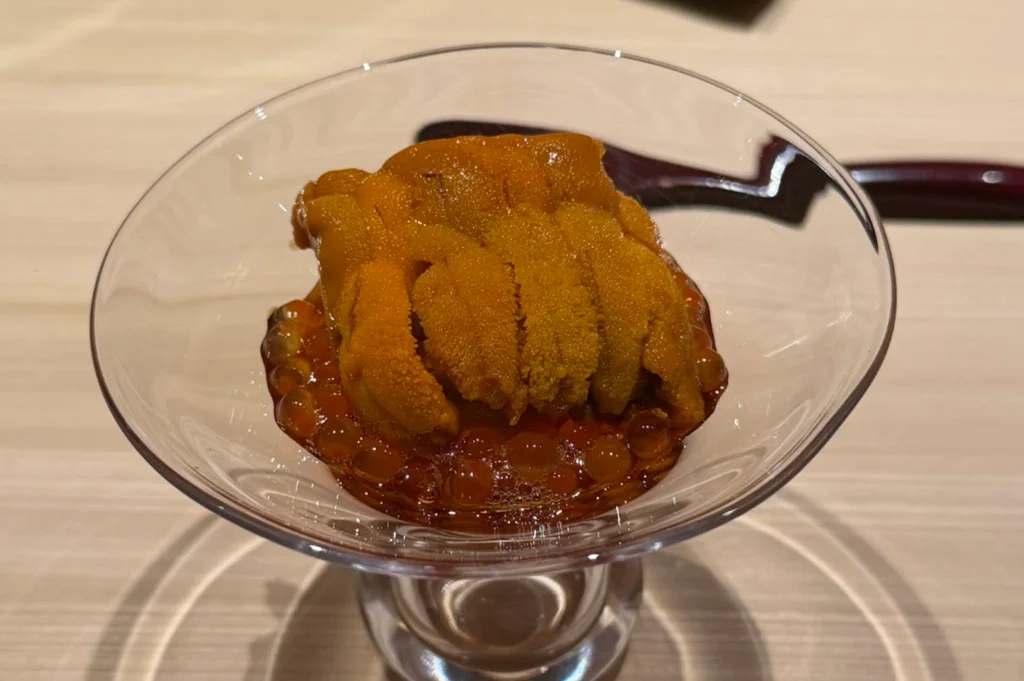
The sashimi and sushi courses are where the quality of the seafood becomes most apparent. Sushi Zen sources its catch from Japan, with Michelin noting that seafood is flown in four times a week and served at peak freshness. Wild bluefin tuna from Aomori is also aged to develop additional savoury depth.
A few pieces stood out during the meal:
- Sea urchin — creamy and naturally sweet, with a richness that lingered without becoming heavy.
- Fatty tuna — softer and more indulgent, particularly satisfying alongside the restaurant’s more assertive rice.
- Scallop and sweet ebi — gentler flavours that provided a welcome contrast to the richer fish.
- Conger eel — a warmer, fuller finish to the sushi progression.
- Tamago — light around the edges with a softer, almost custard-like centre.
The exact selection will depend on what the chef receives, but that uncertainty is part of the appeal of omakase.
The Rice Has a Personality of Its Own
One detail I would pay particular attention to at Sushi Zen is the rice.
The restaurant uses Nanatsuboshi rice from Hokkaido, and its vinegar seasoning is more pronounced than what you may encounter at some other sushi restaurants. I found that stronger acidity useful with richer fish because it kept the flavour from becoming too heavy. Recent reviews have also singled out the more prominent vinegar character as a defining feature of the sushi.
It is a small detail, but it changes the entire bite. The fish does not sit on the rice passively; the two have to work together. For me, that was one of the more interesting discoveries of the meal.
Chef E Ran: Japanese Technique With a Different Perspective
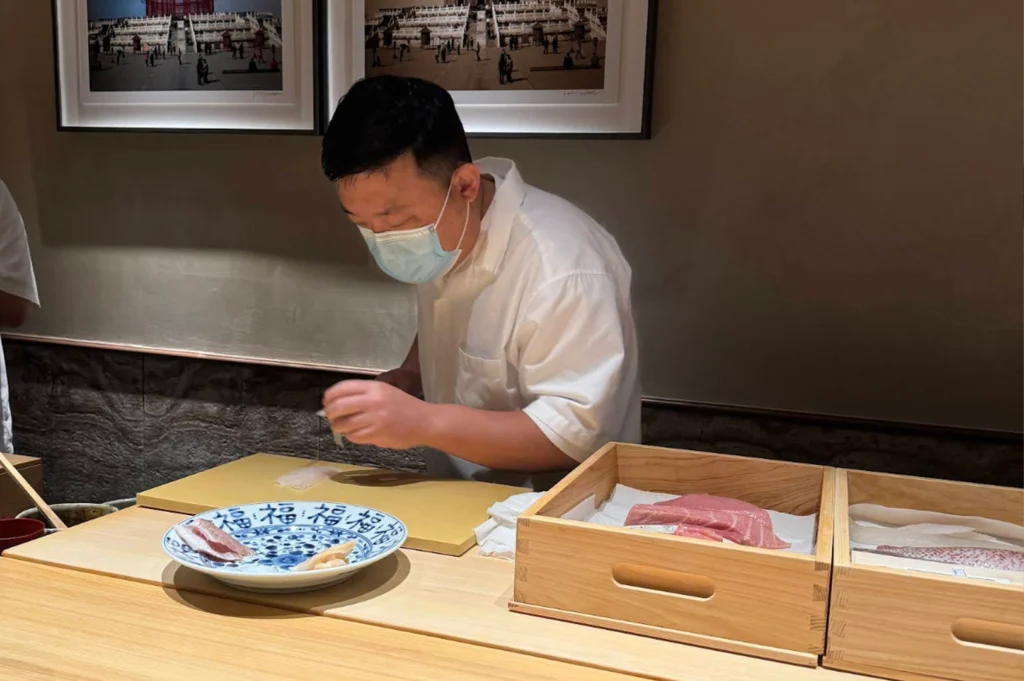
Chef E Ran’s background gives Sushi Zen another layer. He is from Beijing but trained in Japan, beginning his sushi education at 17. His technique is grounded in Japanese sushi, yet some dishes reflect his Chinese background through ingredients and flavour combinations.
One example that has appeared in recent meals is uni paired with tangerine peel and Shaoxing wine. The combination sounds unexpected on paper, but it adds an aromatic, slightly bittersweet dimension to the creamy seafood.
That is what I found most interesting about Sushi Zen. It does not abandon Japanese technique to be different. Instead, the chef seems to use that foundation as a place from which to explore.
Sushi Zen’s Omakase Menus and Price
The restaurant offers different omakase tiers for diners who want varying levels of depth and premium ingredients.
Published menu information has listed:
- Lunch: S$150 and S$258
- Dinner: S$258, S$388, and previously S$550/S$588 tiers depending on the source/date
- Experience: Appetisers and cooked dishes followed by sushi, soup, and dessert
Because the menus change according to the seafood available, I would confirm the current price and course composition when making a reservation rather than relying on an older menu listing.
The higher tiers make more sense for diners who particularly enjoy premium seafood and want a longer progression. For a first visit, a mid-tier menu can be a useful introduction to Chef E Ran’s style.
If Sushi Zen has you curious about trying omakase without committing to a premium menu, our guide to Cheap Omakase Singapore: Reliable Picks for a Full Omakase Experiencerounds up more approachable ways to enjoy the full chef-led experience.
The Atmosphere: Quiet, Close and Unhurried
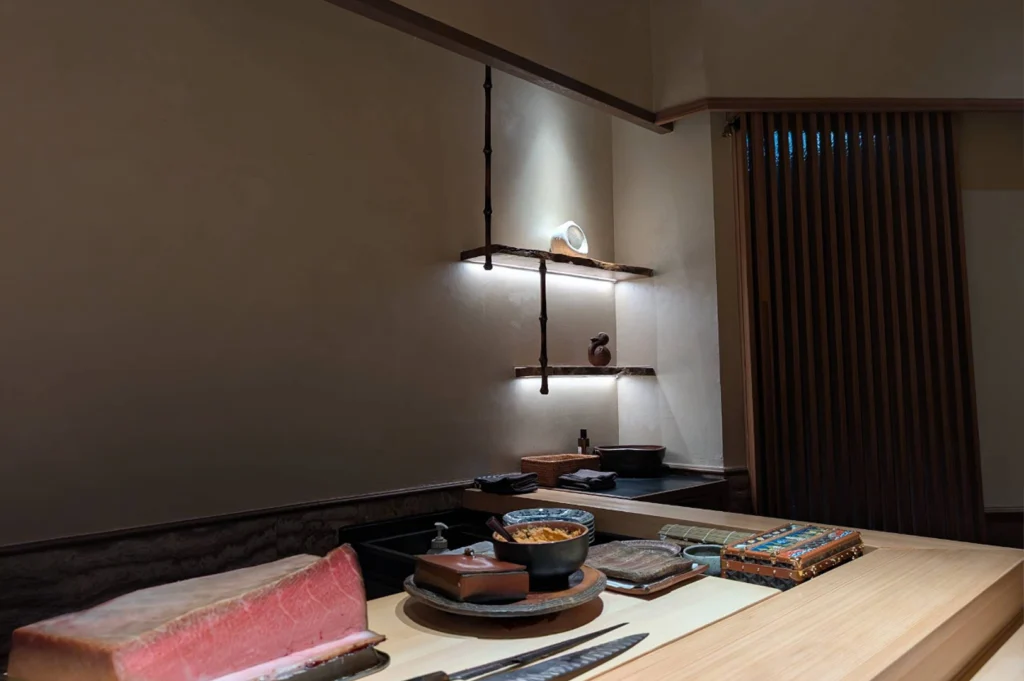
Sushi Zen is not a lively sushi bar. The eight-seat layout naturally keeps the atmosphere intimate, and the focus remains on the chef and the food.
I found that the small space made the meal feel more conversational. Chef E Ran can explain the ingredients and techniques directly to diners, and recent accounts also describe him as comfortable switching between Mandarin and Japanese while discussing the food.
That interaction adds something to the experience. You are not simply tasting sushi; you get a glimpse into the thinking behind it.
Practical Details for Visiting Sushi Zen
Sushi Zen: 1 Teck Lim Road, #01, Singapore 088379
- Nearest MRT: Outram Park MRT Station
- Seating: 8 counter seats
- Style: Japanese sushi omakase
- Service: Lunch and dinner
- Reservations: Strongly recommended because of the limited seating
- Dress: Smart casual is appropriate
- Contact: +65 6550 2265
The restaurant is in the Teck Lim Road and Keong Saik area, so it is easy to pair with an evening around the surrounding dining neighbourhood. Michelin currently lists Sushi Zen as a MICHELIN Selected sushi restaurant in its 2026 Singapore selection.
My Take on the Sushi Zen Experience
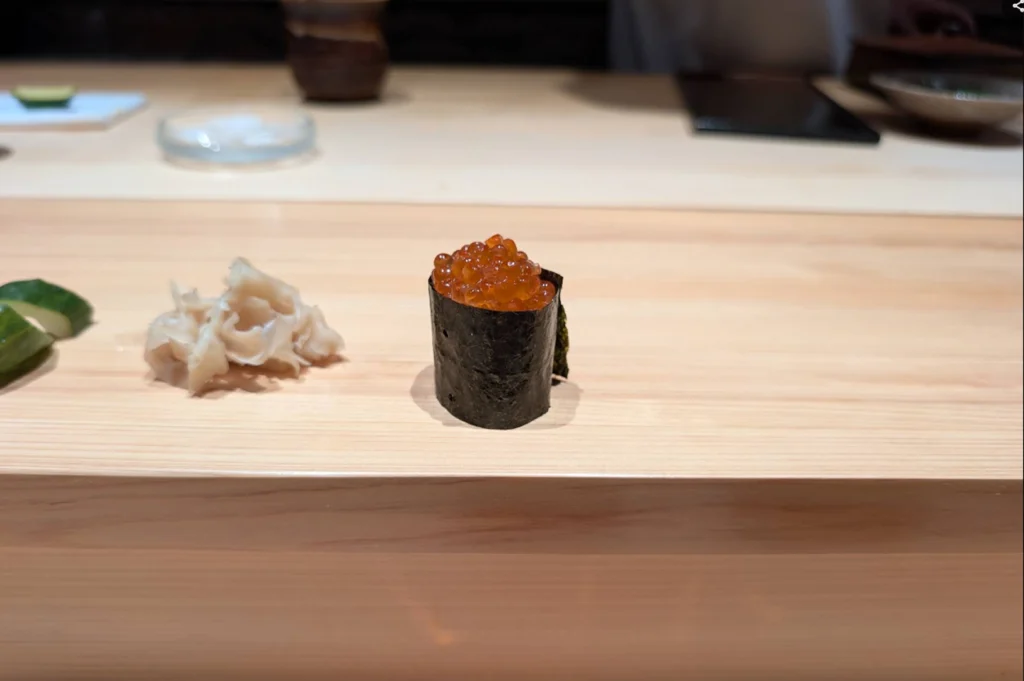
What stayed with me after the meal was not one particularly extravagant piece of sushi. It was the feeling of watching Chef E Ran work within a very small space and gradually understanding what makes his approach different.
The strong rice, aged tuna, Japanese seafood, and occasional Chinese-influenced flavours give Sushi Zen a personality of its own. It still feels recognisably Japanese, but there is enough individuality to keep the experience from feeling predictable.
For diners who enjoy a quiet omakase counter and want to pay attention to the details, how the fish is treated, how the rice is seasoned, and how a chef’s background can influence flavour, Sushi Zen offers something worth sitting down for. It is a small restaurant, but the eight-seat counter gives the meal room to feel surprisingly personal.
If you’re still exploring Singapore’s sushi counters and omakase scene, Best Omakase Singapore offers more chef-led dining experiences worth discovering.