Some omakase meals feel like a long parade of sushi. Hanashizuku Japanese Cuisine takes a different route. Sitting down for its omakase, I found myself moving between sashimi, warm dishes, sushi and other Japanese preparations, with each course adding something different to the meal.
That broader progression is what makes Hanashizuku interesting. At Cuppage Plaza, it offers a more approachable way to experience chef-led Japanese dining, particularly through its S$88++ seven-course omakase lunch. Rather than building the entire meal around nigiri, the menu gives Chef Steven Lee room to show a wider range of Japanese cooking.
The Omakase Starts at the Counter
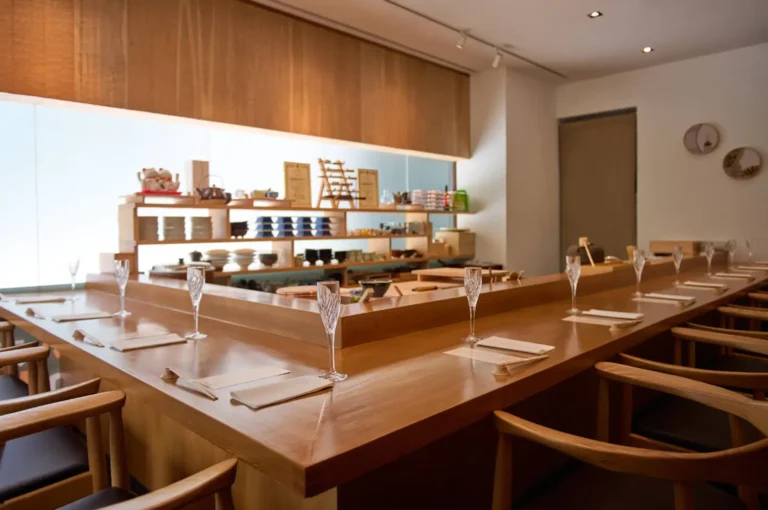
Hanashizuku is on the second floor of Cuppage Plaza, but the experience feels removed from the bustle downstairs once you settle into your seat.
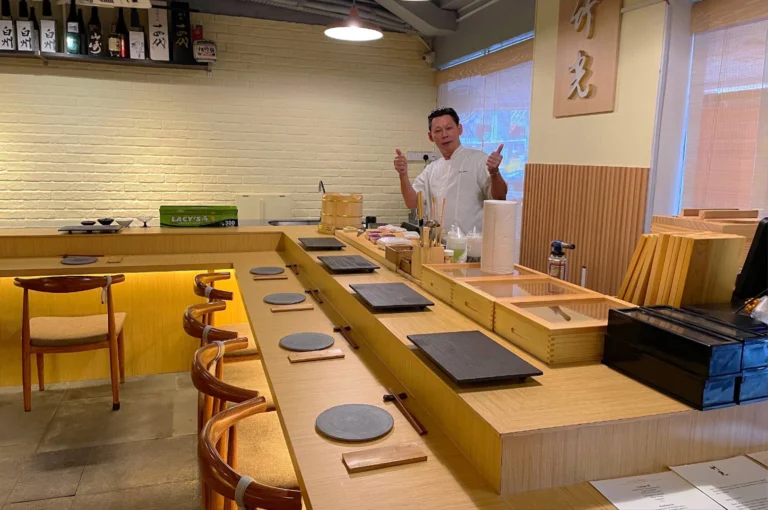
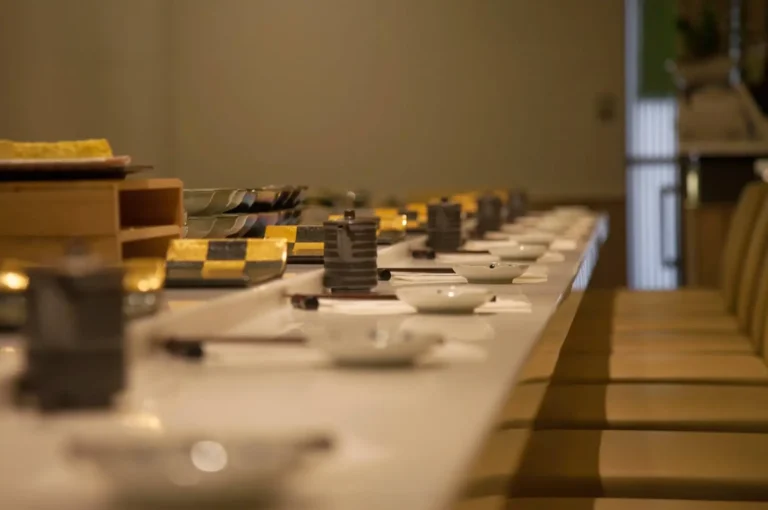
The counter gives diners a view of the kitchen and Chef Steven Lee at work. There is something reassuring about watching the preparation happen in front of you, especially when the meal is left largely in the chef's hands.
It is not the hushed, highly formal atmosphere of a luxury sushi-ya. Instead, the setting feels warm and approachable, which suits the style of omakase being served.
Seven Courses, Rather Than Seven Rounds of Sushi
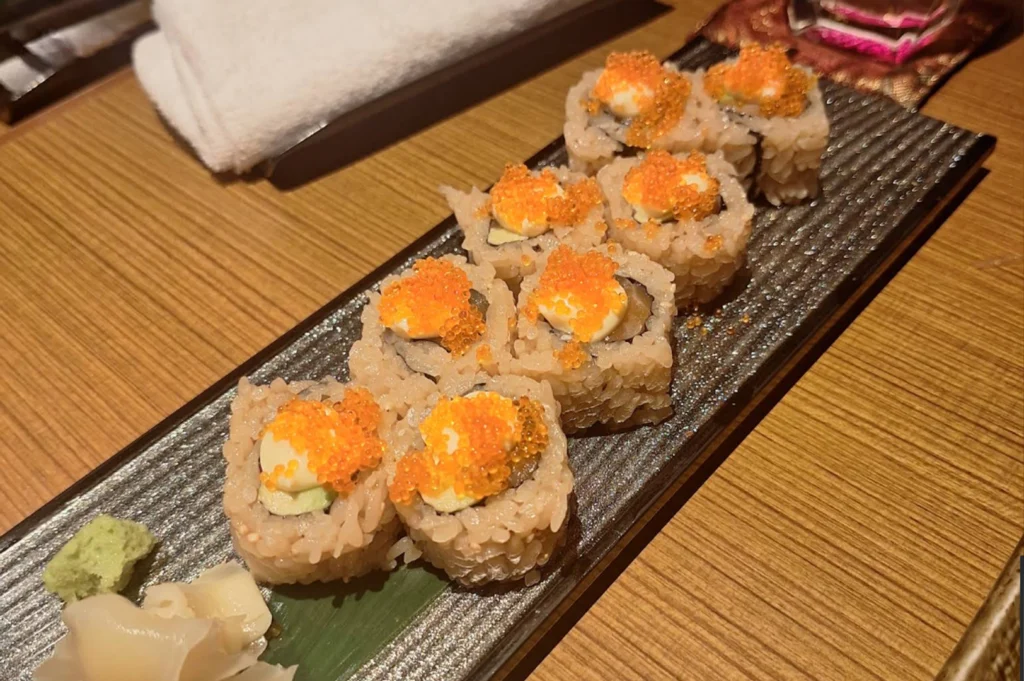
The seven-course omakase lunch is currently priced at S$88++, and this is where I think Hanashizuku makes its strongest case.
The meal is designed as a broader Japanese progression. Rather than simply increasing the number of nigiri pieces, the courses can move between different preparations, allowing diners to experience seafood both raw and cooked.
That variety makes the meal feel substantial without becoming overly elaborate. It is the kind of omakase that works particularly well when you want the chef to guide the meal but still want more than sushi alone.
What the Progression Can Include
Depending on the seasonal menu and available ingredients, the experience can move through:
- Appetiser: A small opening dish to set the tone.
- Sashimi: Fresh seafood selected according to availability.
- Warm course: Something cooked or steamed to change the texture of the meal.
- Sushi: Nigiri or other sushi preparations that bring the focus back to the seafood.
- Cooked dish: A more substantial preparation that adds depth.
- Rice or another finishing savoury course: A comforting pause before dessert.
- Dessert: A lighter ending to the progression.
The exact dishes should not be treated as fixed because Hanashizuku's omakase responds to seasonal ingredients and availability.
Fresh Seafood Without Making the Meal Feel Too Formal
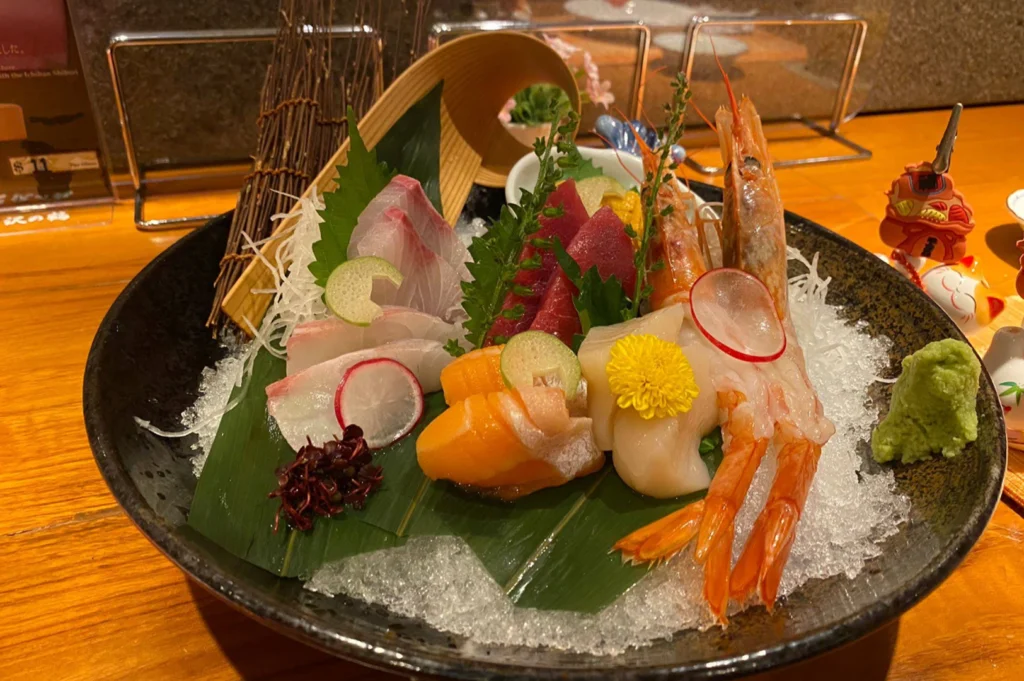
Chef Steven Lee has more than 28 years of experience in Japanese cuisine, and Hanashizuku says he selects ingredients flown in from Tokyo's Toyosu Market.
That sourcing is most noticeable in the seafood courses. The restaurant's wider menu includes ingredients such as maguro, kanpachi, madai, hotate, akaebi and uni, giving some indication of the range available to the kitchen.
During an omakase meal, though, I would pay more attention to how the ingredients are handled than simply counting premium seafood. The appeal is in the progression — a clean piece of sashimi followed by something warmer or richer creates a more interesting rhythm than serving luxurious fish course after course.
The Cooked Courses Give Hanashizuku Its Personality
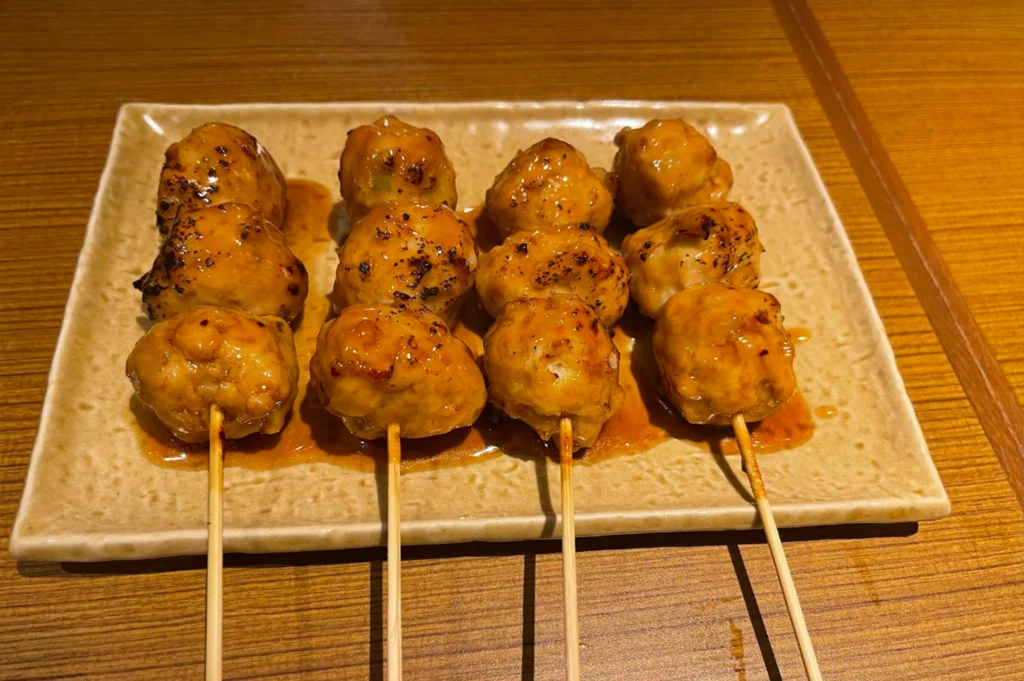
This was probably the biggest difference I noticed compared with sushi-focused omakase counters. Hanashizuku's wider Japanese menu includes dishes such as grilled cod, whole grilled squid, chawanmushi with snow crab, wagyu tataki, tempura and unagi. Not all of these appear in every omakase, but they reflect the broader cooking repertoire available to Chef Lee.
That range gives the omakase a more comforting quality. You are not constantly thinking about the next piece of sushi. Instead, the meal changes temperature, texture and flavour as it progresses.
For someone who enjoys Japanese food but finds a sushi-only omakase a little repetitive, this broader approach can be appealing. If you want to see how other Orchard-area counters approach sushi and omakase, click here for more options worth exploring.
Sushi Still Has Its Moment
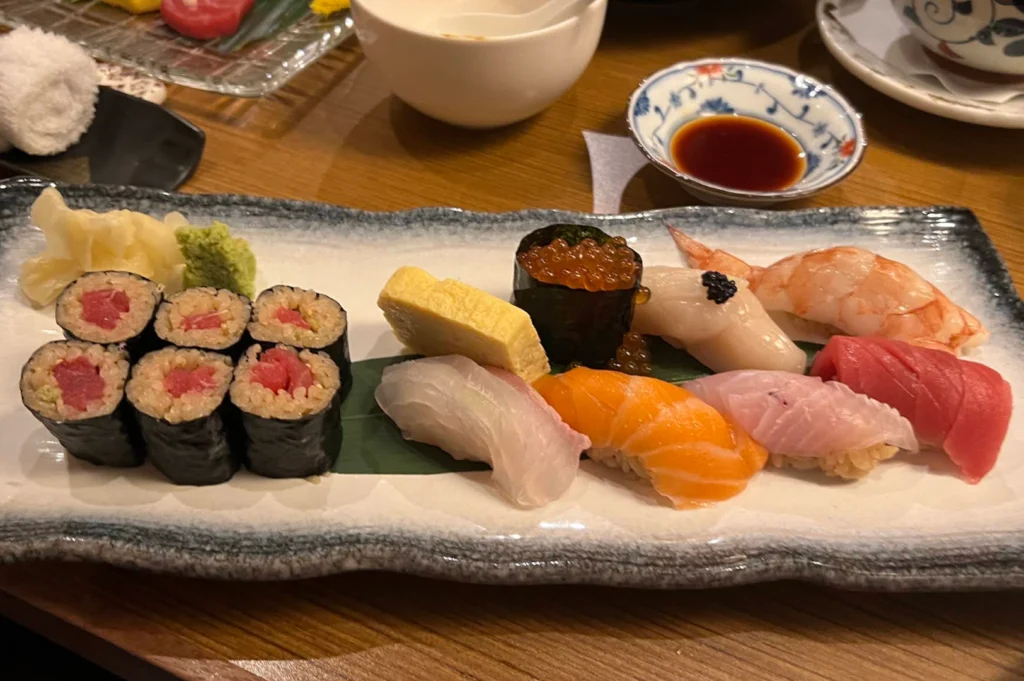
Of course, sushi remains an important part of the experience. Hanashizuku's regular menu includes individual nigiri as well as a seven-kind sushi platter, and the restaurant's seafood selection includes richer ingredients such as sea urchin and salmon toro.
What I enjoyed was seeing sushi take its place within the larger meal rather than carrying the entire progression. By the time it arrives, the earlier courses have already introduced different flavours and textures, so the sushi feels like another chapter rather than the entire story.
That makes the omakase particularly approachable for diners who enjoy both sushi and cooked Japanese dishes.
Is S$88++ Good Value for Omakase?
At S$88++, the lunch omakase sits comfortably below the price of many high-end sushi counters in Singapore.
The value comes less from trying to maximise the number of premium ingredients and more from getting a complete seven-course meal prepared under the chef's direction.
I would recommend it particularly for diners who want to try omakase for the first time without immediately committing to a three-figure or ultra-luxury experience. The seven-course structure also makes it suitable for a weekday lunch when you want something more considered than a standard set meal.
A More Relaxed Counter Experience
The atmosphere plays an important role in that accessibility.
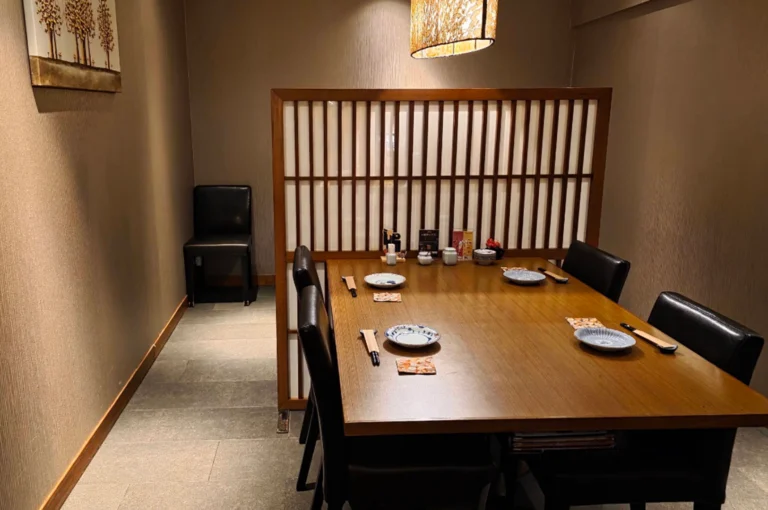
Hanashizuku describes itself as a modern, cosy Japanese restaurant with an izakaya-style atmosphere. The counter provides a closer view of the chef, while the restaurant also has regular table seating and a private dining room for larger groups.
For the omakase, I would choose the counter. Watching Chef Lee work makes the meal feel more personal, and it gives you the opportunity to ask about the dishes as they arrive. The experience is relaxed rather than ceremonial, which I found fitting for a restaurant in Cuppage Plaza.
Before Booking Hanashizuku's Omakase
A few details are worth knowing before you make a reservation:
- Omakase lunch: 7 courses, S$88++
- Location: 5 Koek Road, #02-01, Cuppage Plaza, Singapore 228796
- Lunch: Monday–Friday, 11:45am–2:30pm
- Dinner: Monday–Thursday, 5:30pm–11pm; Friday–Saturday, 5:30pm–11:30pm; Sunday, 5:30pm–11pm
- Last order: 30 minutes before closing
- Counter: Recommended for the full chef-led experience
- Otoshi: S$4++ per person
- Reservations: Recommended, particularly for omakase
The restaurant notes that the otoshi is a customary izakaya-style appetizer charged at S$4++ per person, so it is worth factoring that into the final bill.
My Take: Who Should Try the Hanashizuku Omakase?
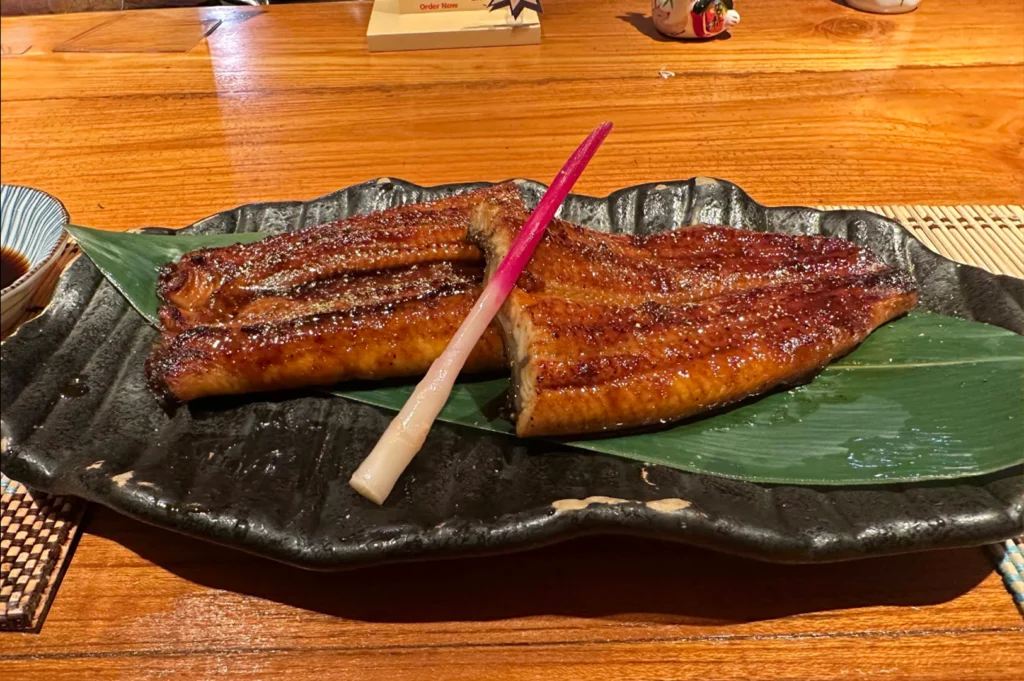
I would choose Hanashizuku when I want an omakase meal that feels generous and varied rather than intensely focused on sushi technique.
The S$88++ lunch is the clearest reason to visit. It gives first-time diners a chance to experience chef-led Japanese dining at a relatively approachable price, while the combination of sashimi, sushi and cooked dishes keeps the meal interesting from beginning to end.
For diners who want a highly formal Edomae counter, there are other omakase restaurants in Singapore that specialise more narrowly in that experience. But if you want to sit at a counter, let an experienced chef guide your meal, and enjoy a broader taste of Japanese cooking without the usual luxury price tag, Hanashizuku's omakase makes a compelling case.