There is a small thrill in finding a restaurant that feels almost hidden in plain sight. Shinsora is one of those places, especially for diners exploring Japanese cuisine in Singapore.
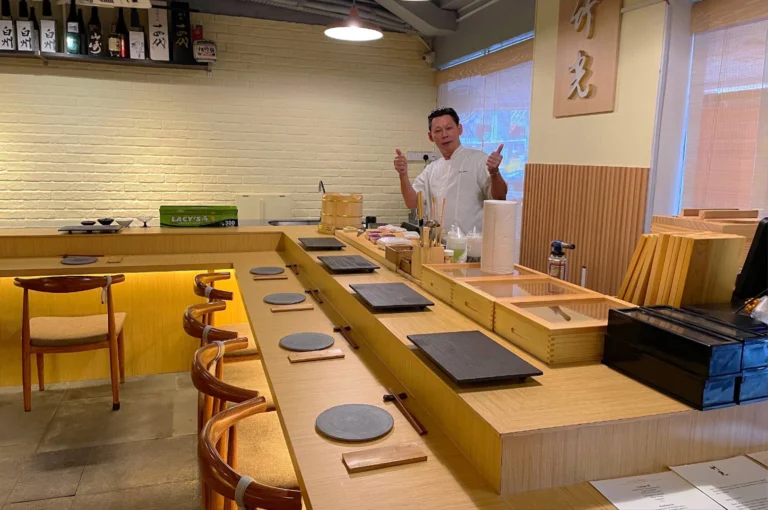
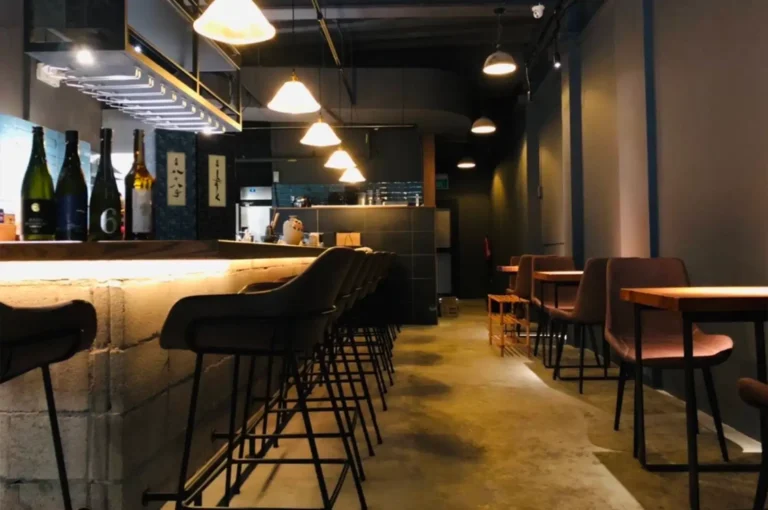
The entrance is through Standing Sushi Bar at Odeon Towers, and it takes a moment to realise that a much more intimate sushi experience is tucked behind it. Walk through to the counter and the atmosphere changes completely: just 10 seats, a chef working directly in front of you, and the quiet anticipation that comes with not knowing what the next piece will be.
What makes the discovery even more interesting is the people behind it. Chef Sky Tai, a World Sushi Cup champion, leads the counter alongside fellow champion Leon Yap, bringing years of competition and sushi experience into a compact Singapore setting.
Shinsora: The Hidden Counter at Odeon Towers
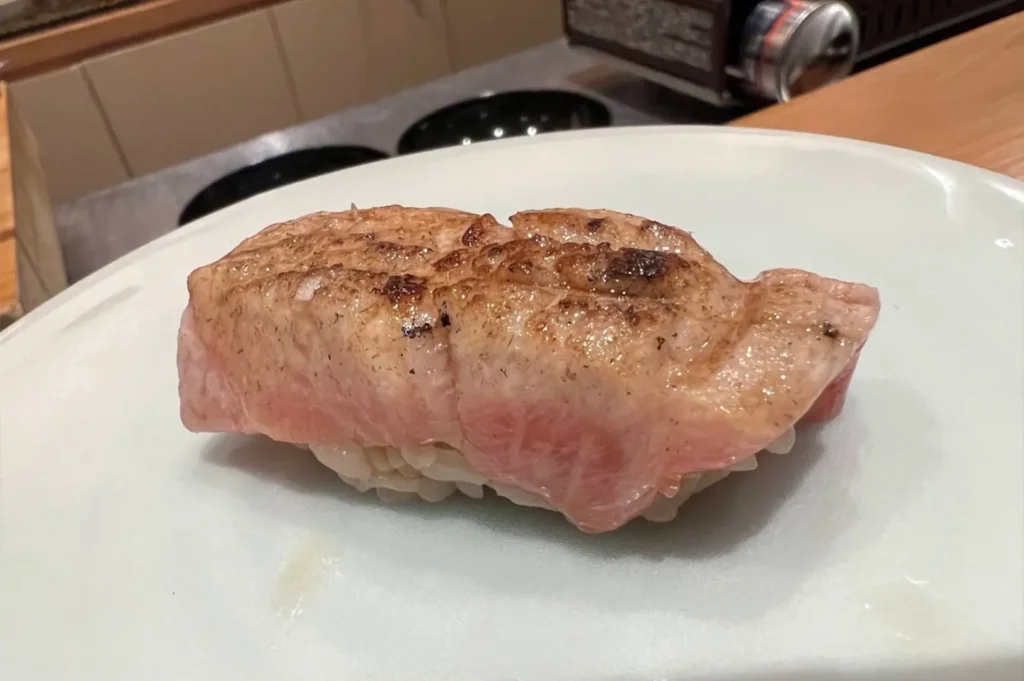
Shinsora is located at 331 North Bridge Road, #01-04, Odeon Towers, Singapore 188720. The address itself can be slightly misleading if you’re expecting a conventional standalone Japanese restaurant. The entrance is through Standing Sushi Bar, making the discovery part of the experience.
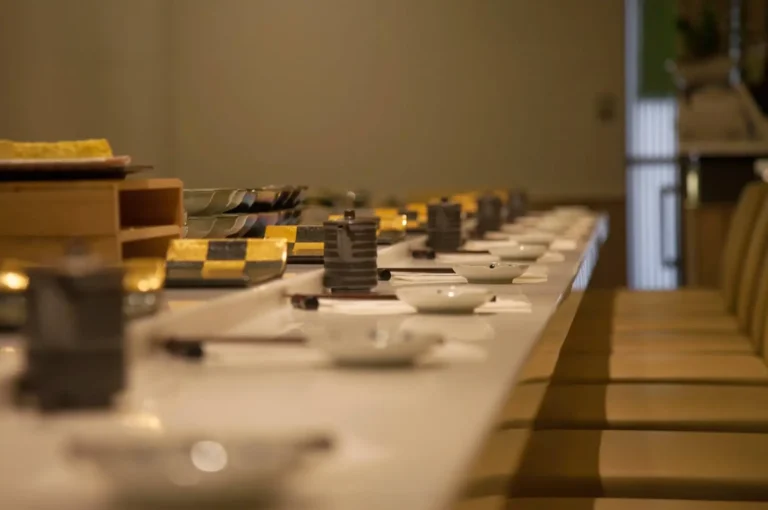
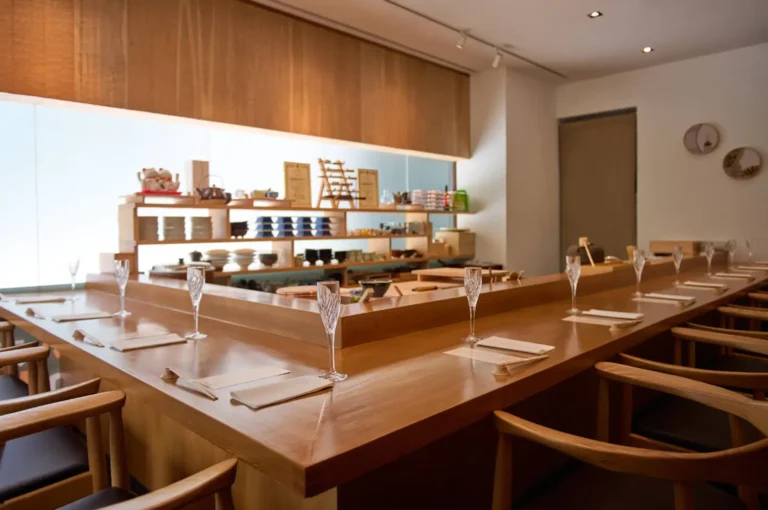
Once seated, the scale feels immediately different. Ten diners share the counter, which means the chef remains within easy view throughout the meal. I enjoyed that sense of closeness. There is nowhere for the food to hide behind a large dining room.
The counter becomes the centre of everything, and the compact setting makes a useful point of difference from larger dining rooms.
Finding Shinsora: Essential Details Before You Go
| Detail | Information |
|---|---|
| Address | 331 North Bridge Road, #01-04, Odeon Towers |
| Access | Enter through Standing Sushi Bar |
| Seats | 10-seat counter |
| Style | Japanese omakase / Edomae sushi |
| Contact | +65 8737 4366 |
| Reservations | Recommended; the restaurant requests advance booking |
| Area | City Hall / North Bridge Road |
Because the menu changes with the season, I would also check the current reservation page before visiting rather than relying on an older menu or social-media post. Confirm whether lunch is available and whether the restaurant is open on Sunday, as hours and booking options can change.
Chef Sky Tai: From Competition to the Counter
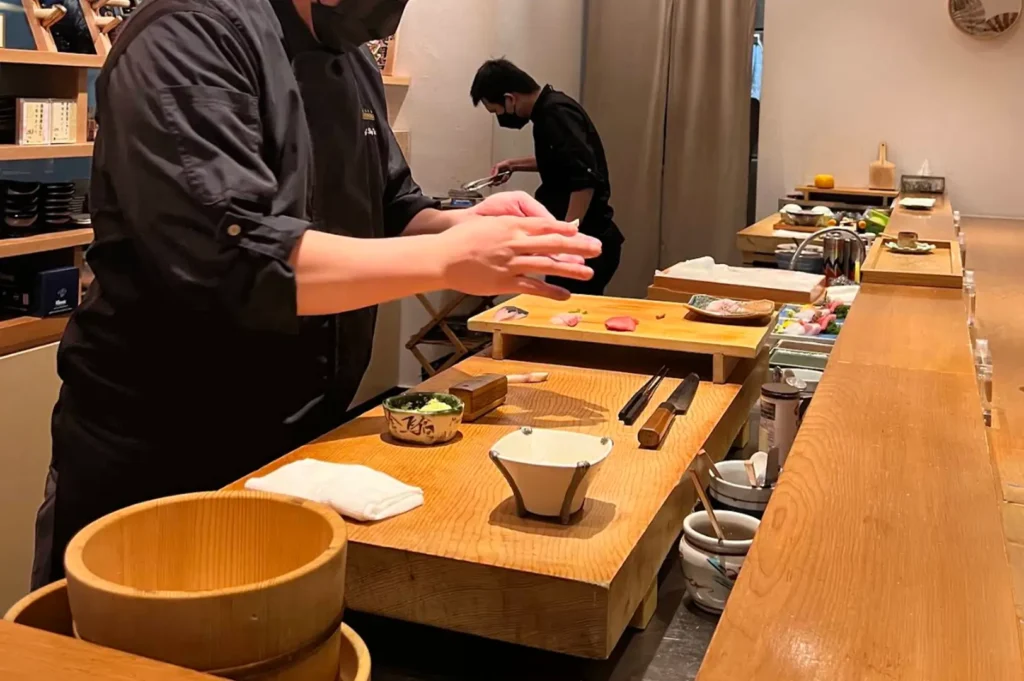
Chef Sky Tai won the World Sushi Cup in Tokyo in 2018, while Shinsora co-founder Leon Yap won the competition the following year. That gives the restaurant an unusual pedigree for such a small counter.
But what interested me more than the awards was how that experience translates to the meal. There is confidence in the preparation without a need to turn every course into a performance. The chef’s movements are measured, and the interaction feels natural rather than rehearsed.
For me, that is where the competition background becomes meaningful: not in elaborate presentation, but in the level of control behind each piece. Sushi craftsmanship calls for elegance, finesse and intricacy, qualities apparent as Chef Sky’s hands deftly dance across the counter.
The Japanese Omakase Sushi Concept
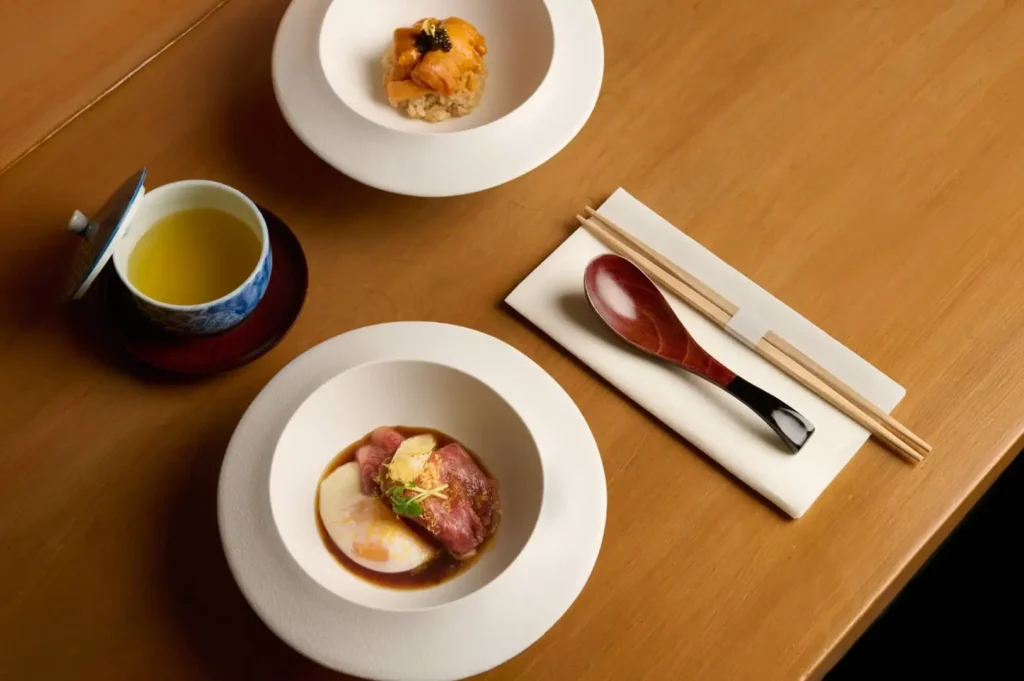
Shinsora describes its approach as a Japanese omakase sushi concept rooted in modern Edomae techniques. Omakase is a chef-curated meal, with multiple courses designed to showcase the chef’s skill and selection.
The restaurant works with wild-caught Japanese fish and ages selected seafood to develop deeper umami before serving it. That approach is grounded in the centuries-old Japanese craft of treating fish through techniques such as curing, ageing and seasoning rather than relying on raw freshness alone. Shinsora’s approach also reflects respect for Japanese sushi traditions.
It creates a subtle difference in the meal. A piece of fish can feel softer and more concentrated, with flavours that stay on the palate a little longer. That made me slow down between pieces rather than simply waiting for the next one.
Edomae Sushi, With a Warmer Side
The Edomae sushi here is supported by carefully prepared rice. Shinsora uses Sasanishiki rice with Yohei Aka-zu, a red vinegar made from matured sake lees, and serves the sushi rice at around 38°C. Edomae sushi traditionally pairs seafood with seasoned red vinegar rice.
That temperature is more noticeable than it sounds. The warm rice brings out a gentle sweetness while the aged fish contributes deeper savoury flavours. The result is a bite where the rice and seafood feel deliberately matched rather than treated as separate components.
What I Would Watch For at the Counter
The exact selection changes with the season, but several ingredients give an idea of the range. Seasonal seafood is sourced from Japan, so the menu can feature different fish as availability changes.
1. Botan Ebi
Botan ebi brings a naturally sweet, delicate flavour and a soft, almost bouncy texture. It is the kind of piece where freshness and handling become immediately apparent.
2. Lean Tuna
A piece of lean tuna provides a useful contrast to richer fish. Its cleaner flavour makes it easier to appreciate the seasoning of the rice and the chef’s treatment of the seafood.
3. Uni Handroll
The uni handroll is one of the more indulgent additions available at Shinsora. Creamy uni and crisp nori create a very different texture from nigiri, giving the meal a playful change of pace. A handroll is also available for $45, while the precise options may vary.
The restaurant also offers premium supplements such as A5 Miyazaki wagyu, caviar and different levels of uni, although I would consider these extras rather than essential parts of the core omakase.
A Meal That Changes With the Season
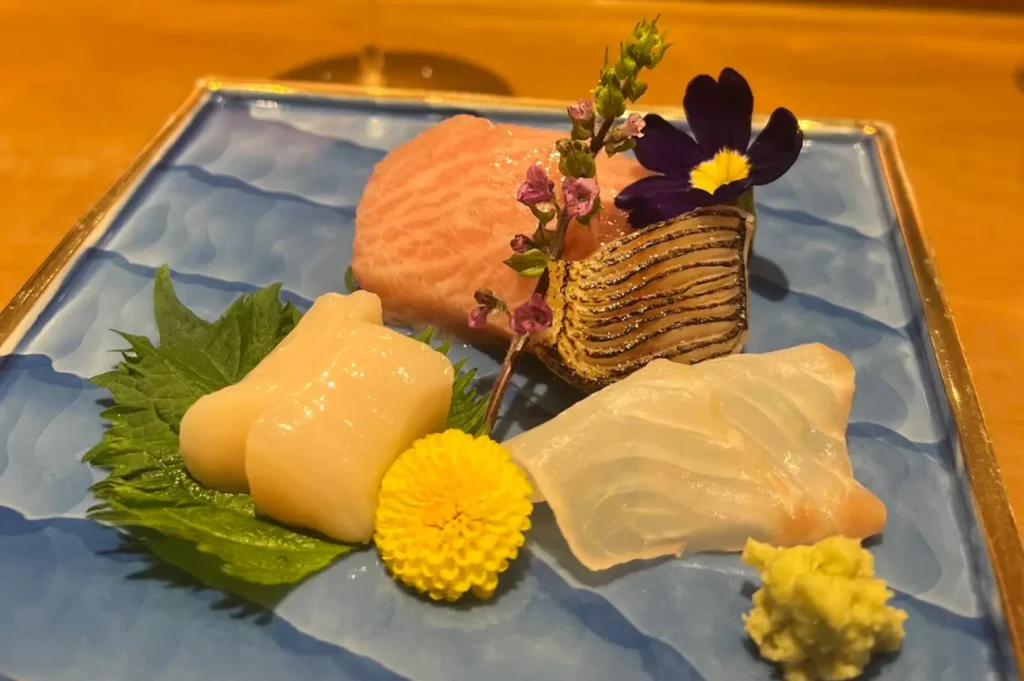
One thing I appreciated about Shinsora is that the experience does not seem locked into one permanent menu.
Its seasonal chapters allow the chef to adjust the selection according to what is available from Japan. A menu posted for one period — whether October or November — may therefore look quite different from what appears later in the year. Each new series of seasonal offerings gives the menu room to change, starting with ingredients at their best.
That makes the restaurant worth revisiting. The framework remains familiar, but the ingredients and flavours can shift. For an omakase counter, that sense of movement is part of the appeal.
If you’d like to explore the topic further, read more here about how seasonal changes shape the omakase experience.
More Than Sushi
Although sushi is clearly the heart of the experience, the meal does not necessarily end with the final piece of nigiri. A warm miso soup provides a gentle pause, while dessert brings the progression to a softer close. These final courses may seem simple compared with premium seafood, but I find they matter because they give the meal a sense of completion.
After concentrating on rice, fish and seasoning for much of the experience, something warm and sweet gives the palate a chance to settle. A seasonal dessert might include a slice of fruit, depending on the menu.
The Experience of Ten Seats
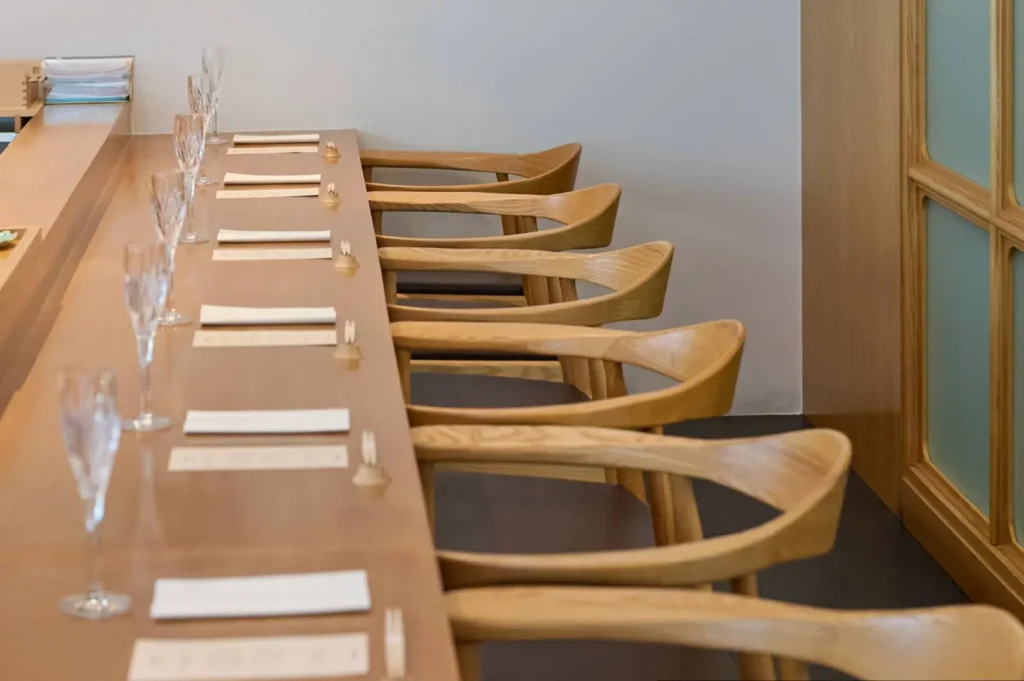
What I remember most about Shinsora is how little separates you from the chef. With only 10 seats, every diner has a clear view of the preparation. You can watch a piece being shaped, see the chef’s hands move from one ingredient to another, and notice the small pauses before a plate is served.
That makes the experience feel personal without becoming overly formal. It is also why I would choose the counter over treating Shinsora simply as another Japanese restaurant. The counter is where the restaurant’s concept makes the most sense.
My Take on Shinsora
For diners who want to discover a Japanese omakase in Singapore that feels intimate, technically assured and quietly personal, Shinsora is a counter worth finding. Lunch is an option to look into for diners interested in daytime omakase; current menus and prices should be confirmed before booking.
The lunch omakase has been listed from $90, a relatively reasonable price for a chef-led experience of this kind. Omakase prices have also normalized over time with inflation and rising costs. That pricing reflects the skill and craftsmanship of a World Sushi Cup champion.
And perhaps that is the charm of the place: you enter through another sushi restaurant, walk a few steps, and suddenly find yourself sitting across from a World Sushi Cup champion with only nine other diners around you. Omakase can unfold over multiple hours, with a slower turnover that gives each course room to be enjoyed. Shinsora is helmed by chefs whose work balances craft with respect for tradition.