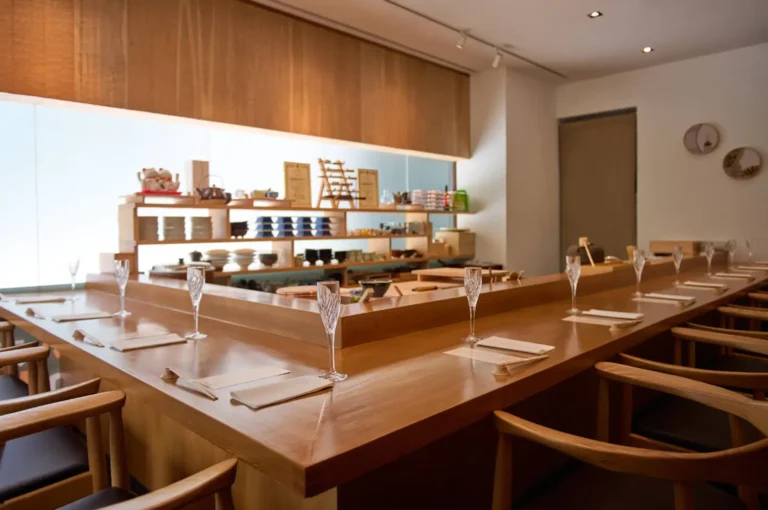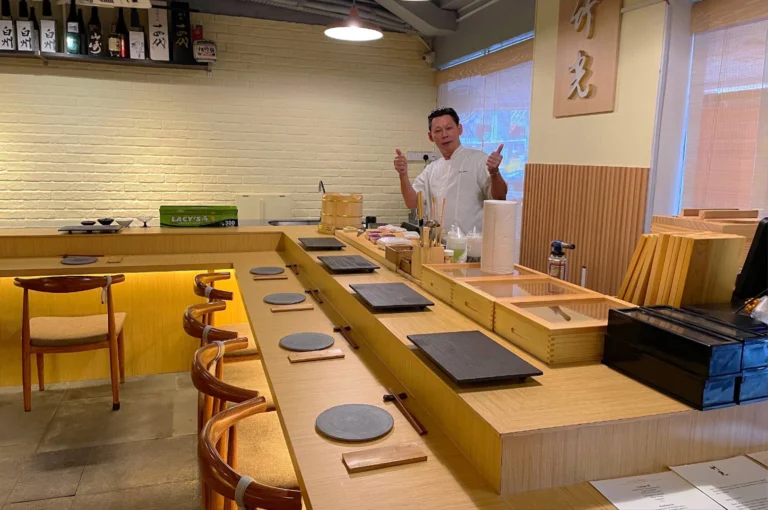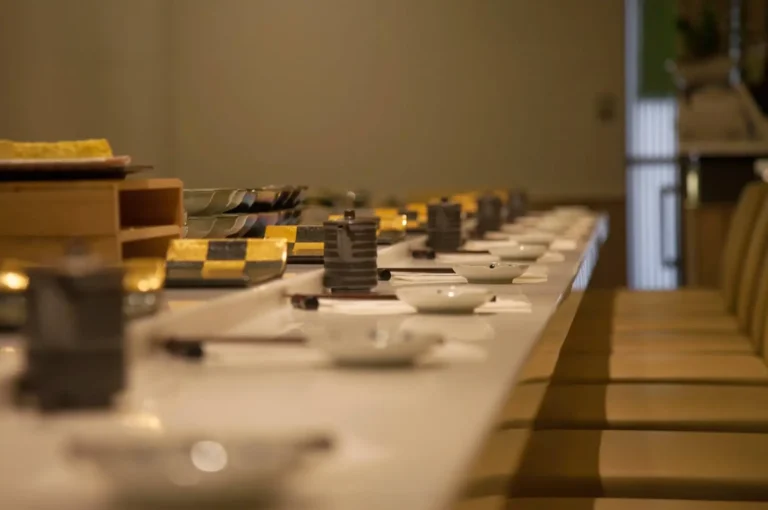
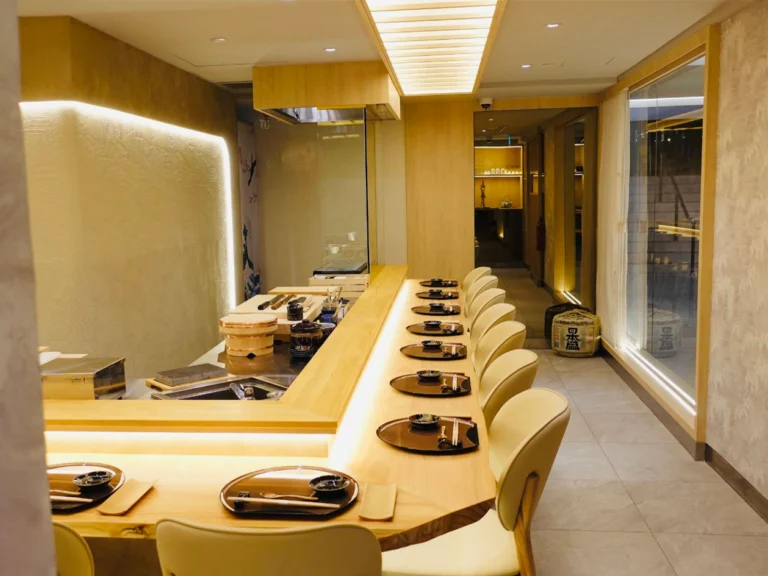
There is something reassuring about a sushi counter that does not make you feel like you need to know everything before sitting down. Hikaru Omakase has that quality. Located at Katong V, the restaurant is small and counter-only, placing diners directly in front of the chefs without the formality that can sometimes surround high-end omakase.
I visited with one question in mind: can an omakase experience at a much friendlier price still feel thoughtful and complete? After sitting through the meal, I think Hikaru makes a convincing case. The food follows an Edomae-inspired approach, but the atmosphere remains relaxed, making the restaurant particularly appealing for diners who are still finding their way around omakase.
Hikaru Omakase: A Counter That Keeps Things Approachable
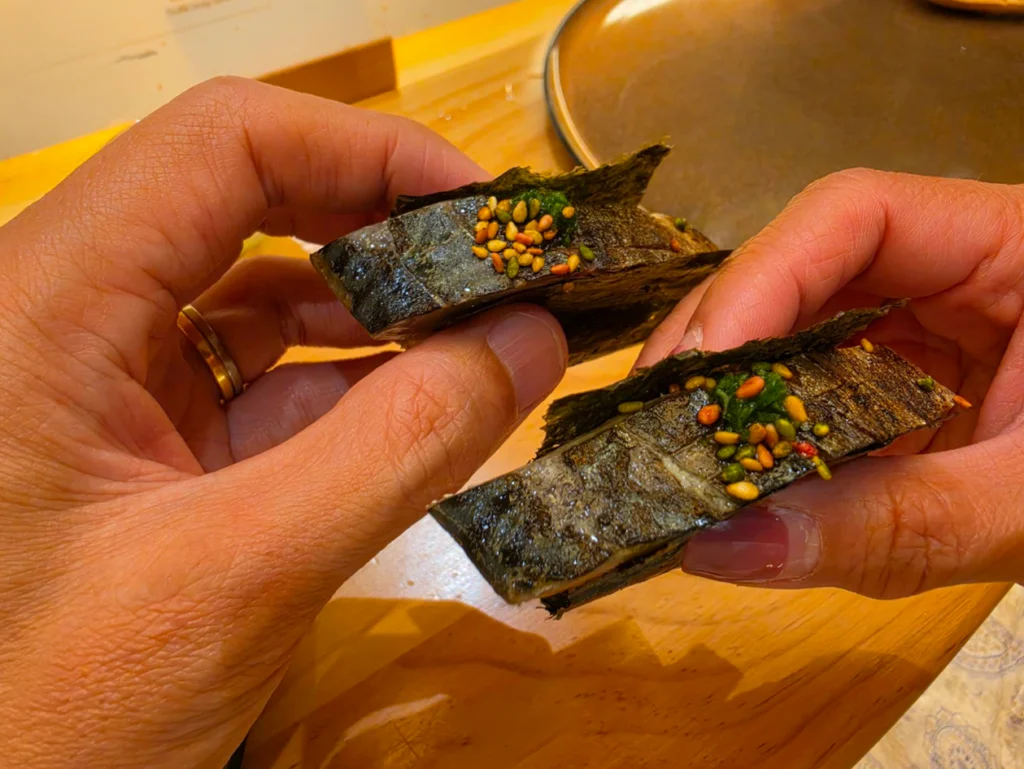
Hikaru Omakase is located at Katong V, 30 East Coast Road, #01-04, Singapore 428751. Unlike restaurants that combine a sushi counter with a larger dining room, Hikaru is built around the counter itself.
That immediately changes the mood. You are close to the chefs, can watch the sushi being prepared, and have an opportunity to ask about the dishes as they arrive. The setting feels intimate without being intimidating, which I found particularly fitting for a restaurant with such accessible lunch options.
The restaurant's approach is influenced by the Japanese shokunin kishitsu, or the spirit of continually refining one's craft. Chefs Elvis San and Hexon San have each spent more than a decade developing their skills.
The S$58 Lunch: Where Hikaru Really Stands Out
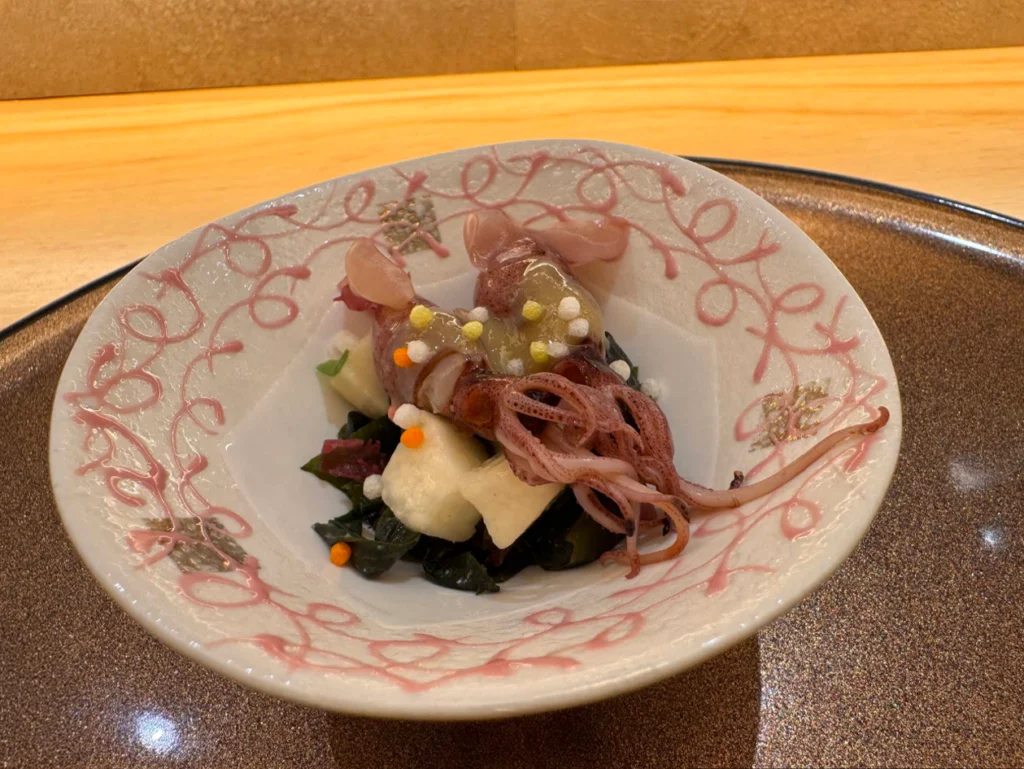
The biggest surprise is the entry-level Natsu lunch omakase at S$58+.
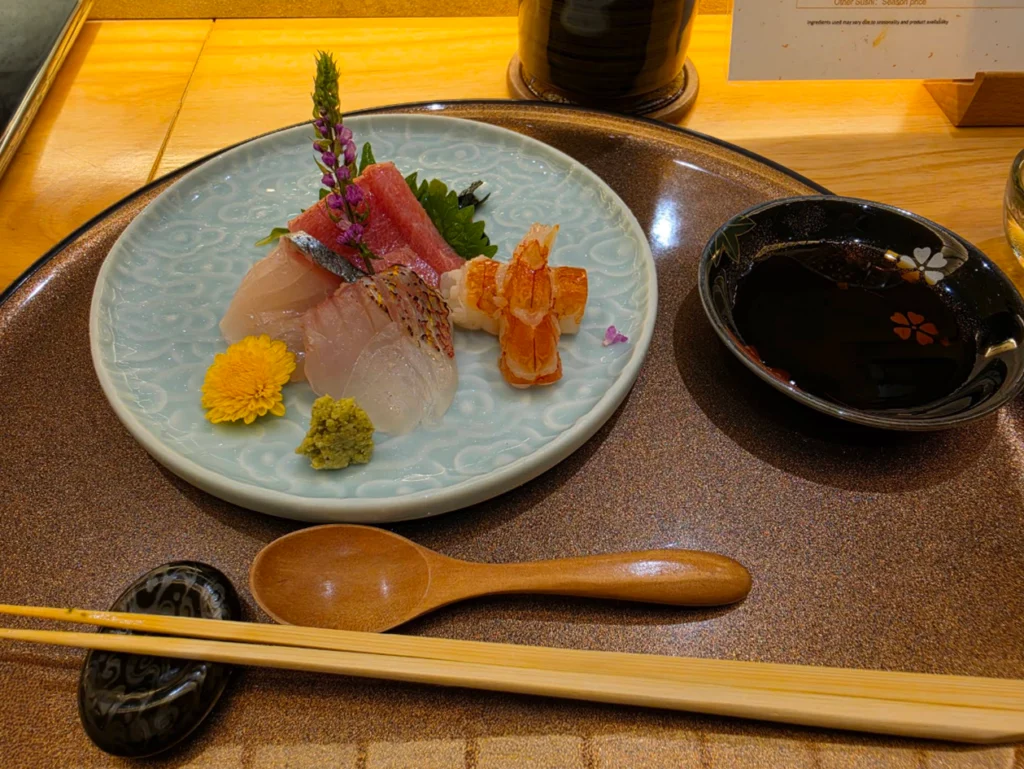
For that price, the experience includes a seasonal zensai, chawanmushi, eight pieces of nigiri including toro, a temaki, soup and dessert. It is not simply a small selection of sushi presented as an “omakase” set; there is enough progression to make the meal feel complete.
That makes Hikaru particularly interesting for anyone who has been curious about omakase but hesitant about the usual price tags. You still get the counter setting and chef-led progression, just without committing to a much more expensive dinner.
Choosing Between the Four Omakase Menus
Hikaru makes the decision fairly simple because the menus increase gradually in price and depth.
| Menu | Price | What to expect |
|---|---|---|
| Natsu | S$58+ | Seasonal zensai, chawanmushi, 8 nigiri, temaki, soup and dessert |
| Fuyu | S$88+ | Sashimi, 7 nigiri, toro taku temaki and ikura don |
| Niji | S$118+ | 3 types of sashimi, 7 nigiri, chef's selection temaki and premium don |
| Sakura | S$208+ | More elaborate seasonal dinner progression |
The first three are lunch menus, while Sakura is the more substantial dinner experience. I like this structure because it lets diners decide how far they want to take the experience. Natsu works for a first visit, while Fuyu and Niji make sense when seafood is the main reason for sitting at the counter.
What the Sushi Tastes Like
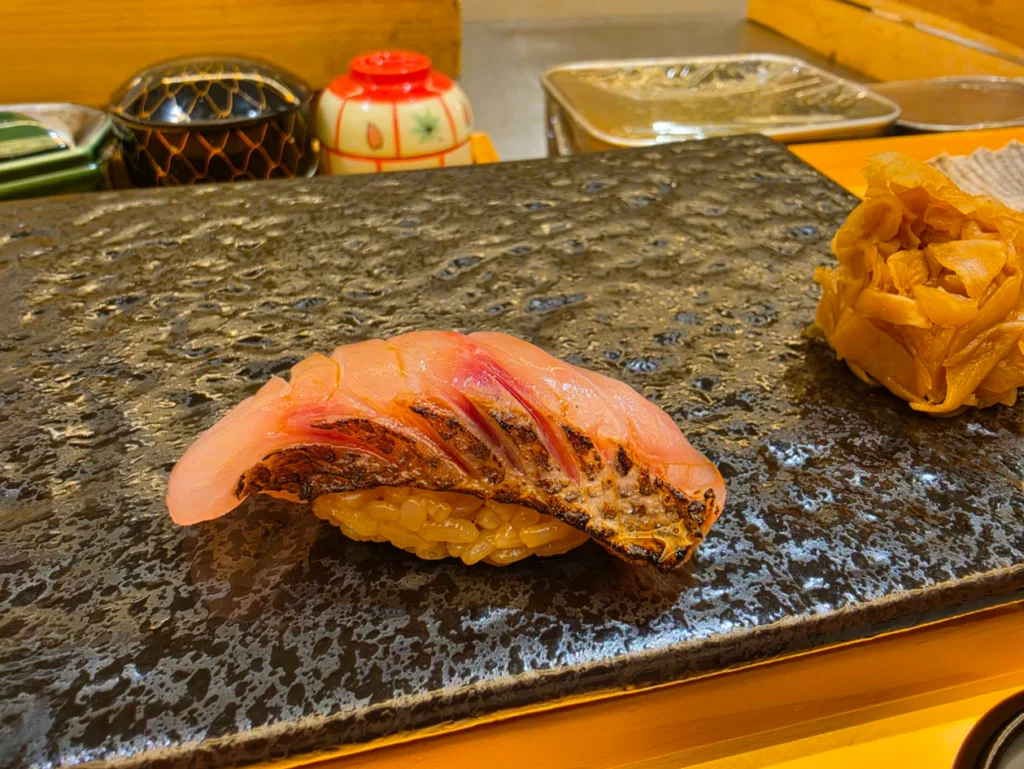
The sushi at Hikaru is built around seasonal seafood and an Edomae-inspired approach. The restaurant notes that ingredients can change according to seasonality and availability, so the exact progression is not fixed.
What I appreciated was the balance between the fish and rice. The pieces are not trying to overwhelm you with elaborate sauces or unnecessary decoration. Instead, the natural sweetness and umami of the seafood remain easy to notice.
Even the S$58+ Natsu menu includes toro, which makes the first tier feel more generous than I expected. The higher lunch menus then add more sashimi, richer seafood and donburi-style preparations.
The Higher Tiers: When the Meal Becomes More Elaborate
If the Natsu menu is an introduction, the Sakura dinner is where Hikaru shows how far the experience can go.
A recent Sakura dinner progression included seasonal zensai, sashimi, chawanmushi, grilled dishes, Kagoshima A5 wagyu sukiyaki, six pieces of nigiri, a truffle unagi sando, and a premium don featuring uni, ikura and torotaku.
That is quite a jump from the simple lunch experience, and it is useful to know before booking. Hikaru is not positioned as a single-price-value omakase counter. It gives diners the option of keeping things relatively light or turning the meal into a more elaborate dinner.
For me, that range is one of the restaurant's strengths.
What Happens at the Counter
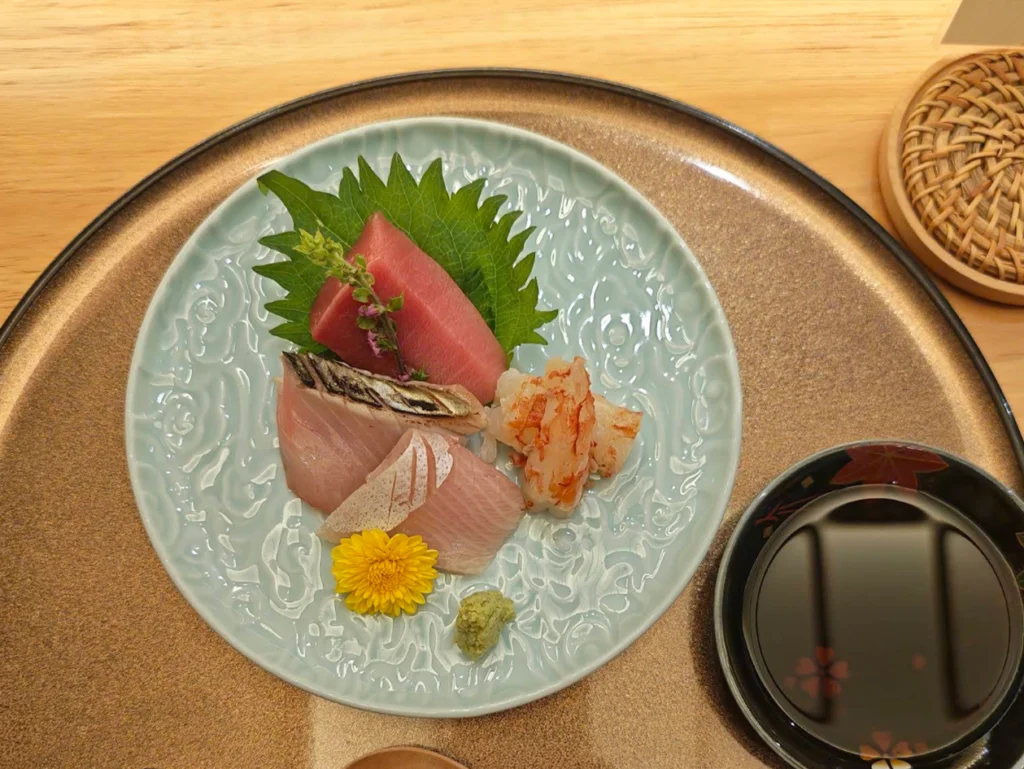
The chefs are an important part of why the experience feels approachable.
Rather than maintaining a distant, highly formal manner, Chef Elvis and Chef Hexon are described by diners as friendly and willing to explain what is being served. That interaction makes the counter feel more conversational, particularly for someone trying omakase for the first time.
The physical setting helps too. There are no tables separating diners from the preparation area, so the making of the sushi becomes part of the meal. You can watch the chef shape the rice, place the fish and serve each piece while it is at its intended temperature.
It feels more like being welcomed into a working sushi counter than attending a formal performance.
Katong Gives It a Different Personality
Location also contributes to Hikaru's appeal. At Katong V, the restaurant feels more like a neighbourhood omakase destination than a hotel-based luxury restaurant. That makes it easy to imagine returning for lunch rather than reserving the experience only for birthdays or major celebrations.
For diners living on the East Coast, that convenience is a genuine advantage. Even for those travelling across Singapore, the S$58+ lunch gives you a reason to make the trip without turning it into a major dining commitment.
Practical Details Before You Visit
30 East Coast Road, #01-04, Katong VSingapore 428751
- Style: Edomae-style sushi omakase
- Seating: Counter-only
- Lunch: 12pm–2:30pm
- Dinner: 6pm–10pm
- Open: Tuesday–Sunday
- Closed: Monday
- Reservation: Recommended
- Phone: +65 8836 6188
The restaurant also accepts enquiries for private events and personalised menus, although the standard counter experience is the main reason I would visit.
Is Hikaru Omakase Worth Trying?
For me, Hikaru's biggest strength is that it makes the omakase counter feel approachable without stripping away the experience.
The S$58+ Natsu lunch is the obvious starting point. You receive a proper progression of seasonal dishes, nigiri, temaki, soup and dessert while sitting directly at the counter. If you want more seafood, the Fuyu and Niji menus offer a natural step up. And if you are celebrating, Sakura turns the experience into a much more elaborate dinner.
I would recommend Hikaru especially to first-time diners, East Coast residents, couples looking for a relaxed sushi date, and anyone who wants to understand what omakase feels like before spending several hundred dollars on a meal.
It may not have the hushed grandeur of Singapore's most expensive sushi counters, and that is precisely why I enjoyed it. Hikaru feels like an invitation rather than a test, sit down, watch the chefs work, eat the sushi while it is at its best, and let the intimate omakase experience unfold one piece at a time.