The first thing I noticed at Sushi Ryujiro Singapore was how easy it was to forget the city outside.
Sitting at the new 10-seat counter inside The Capitol Kempinski Hotel Singapore, the evening had a gentle rhythm. The chef prepared each piece with quiet concentration, but there was no sense of being hurried from one course to the next. I could watch the work, ask about the fish, and simply let the meal unfold.
That feeling seems particularly fitting for a restaurant built around Chef Ryujiro Nakamura’s philosophy: precision matters, but so does the experience of being cared for at the counter, reflecting the true spirit of omakase dining in Singapore.
Edomae Sushi: What I Tasted at the New Counter
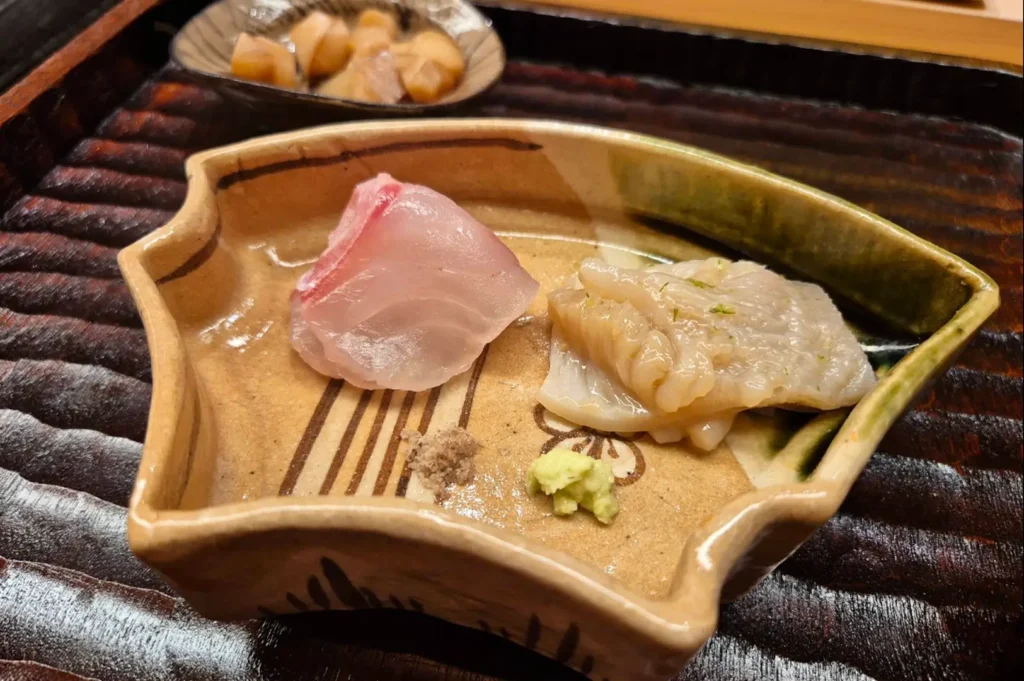
The menu changes with the season, so I would not expect every visit to follow exactly the same progression. Still, recent courses give a good sense of how the current Singapore experience moves between cooked dishes and Edomae sushi, showcasing craftsmanship and skills honed over years.
A few preparations particularly stood out:
- Chiba black abalone — steamed slowly and served with its liver sauce, giving the dish a deep savoury character.
- Nara arrowroot somen — paired with Shizuoka sakura shrimp for something lighter and more aromatic.
- Botan ebi — treated with kelp to firm the texture and concentrate its natural sweetness.
- Nodoguro — rich and oily, with citrus adding brightness.
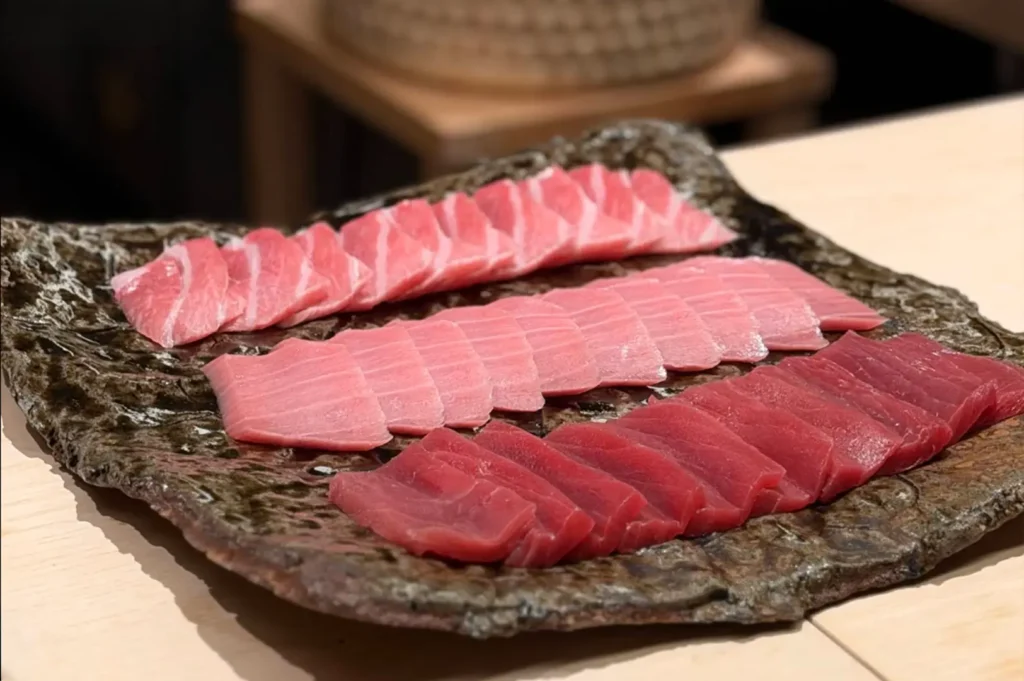
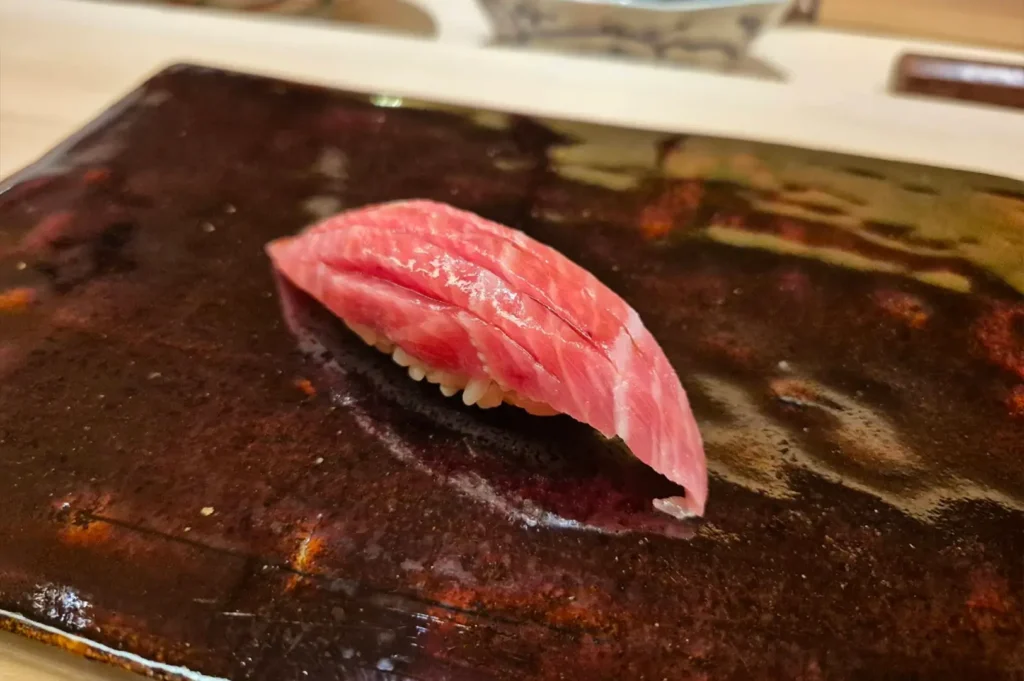
- Tuna progression — akami, chutoro and otoro, allowing the differences between each cut to become clear.
The progression felt deliberate. The richer fish had enough room to stand out because the earlier courses had not already overwhelmed the palate.
Three Menus, Depending on How Deep You Want to Go
One of the practical things I appreciated about the new Sushi Ryujiro is that diners have several ways to approach the experience.
Lunch
- Sushi Omakase: S$228++
- Premium Lunch Omakase: S$298++
Dinner
- Small Counter Omakase: S$328++
- Main Counter Omakase: S$428++
The lunch omakase is more focused on sushi, while the premium options introduce more appetisers and hot dishes. Dinner omakase gives Chef Naruki Ikeda greater room to build a longer progression.
For a first visit, I would be tempted by lunch. It gives you a clear sense of the restaurant’s sushi without immediately committing to the most extensive menu.
Essential Tips Before You Step Into Sushi Ryujiro at The Capitol Kempinski Hotel
Sushi Ryujiro Singapore15 Stamford Road, #01-88 The Capitol Kempinski Hotel Singapore
- Lunch: Tuesday–Sunday
- Dinner: 7pm
- Closed: Monday
- Nearest MRT: City Hall MRT, around a three-minute walk
- Dress code: Smart casual; no shorts or sandals
- Reservations: Recommended
- Parking: Capitol Singapore via Coleman Lane or Capitol Piazza
- Private room: Available separately from the main counter
The current seating times and menus should be checked when making a reservation, particularly because this is still a relatively new Singapore operation.
The Rice Makes a Quiet Difference
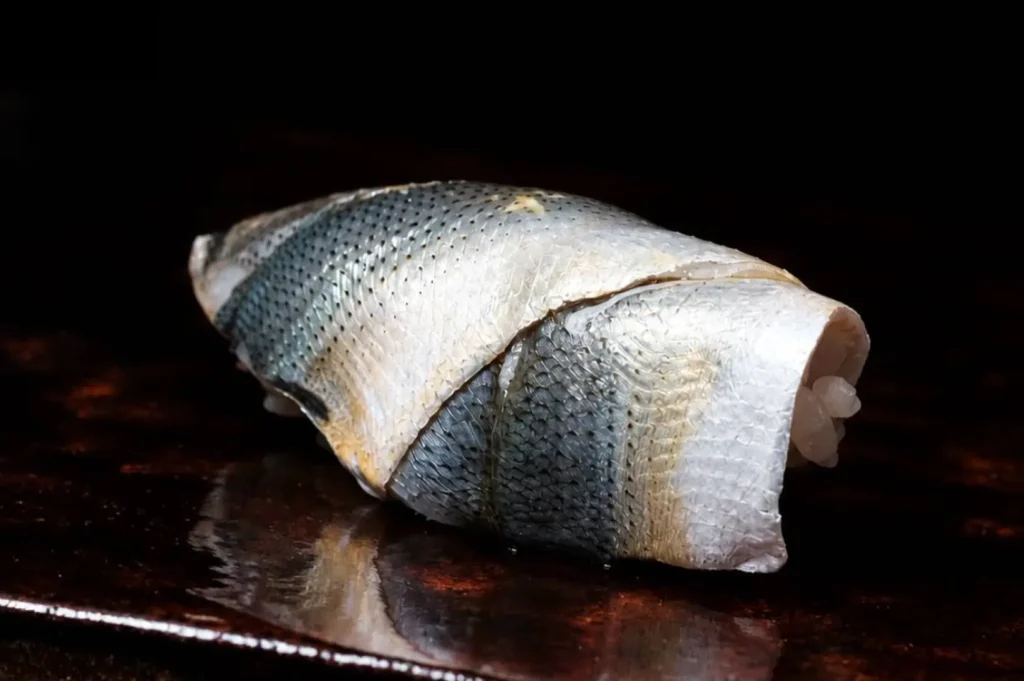
There are moments in sushi where the rice says as much as the fish. Sushi Ryujiro uses Japanese rice, mineral-rich water and a proprietary vinegar blend, with the seasoning adjusted subtly according to the season. The intention is to create a relationship between the shari and seafood rather than allowing either one to dominate.
I noticed this particularly with the tuna. The leaner akami tasted clean and direct, while the richer chutoro and otoro benefited from the acidity of the rice. The contrast made the progression more interesting than simply eating three increasingly fatty pieces. It is a small technical detail, but sitting at the counter makes it much easier to notice.
A Restaurant Built Around Its Counter
Only after settling into the meal did I start paying attention to the room itself.
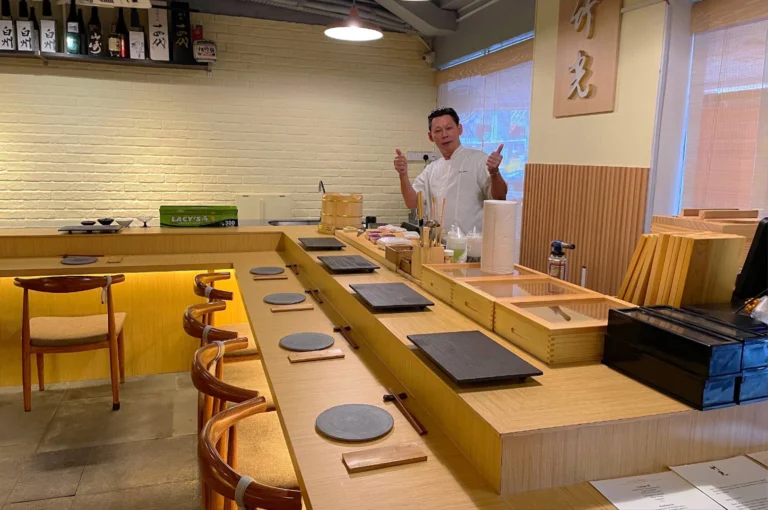
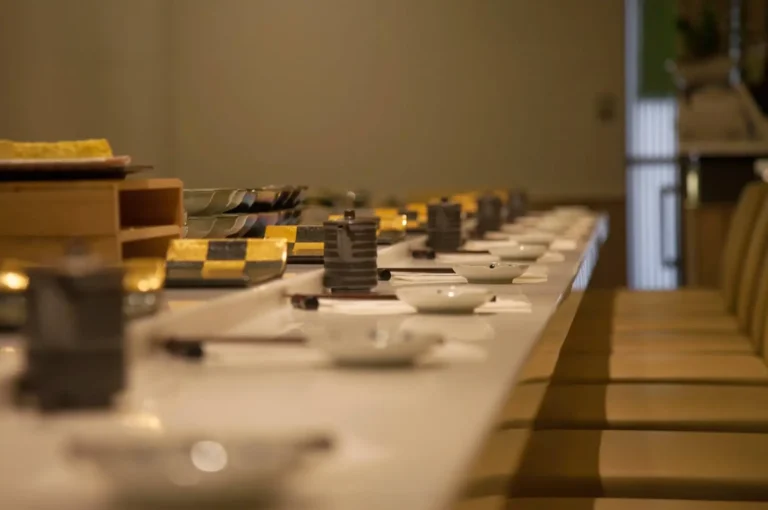
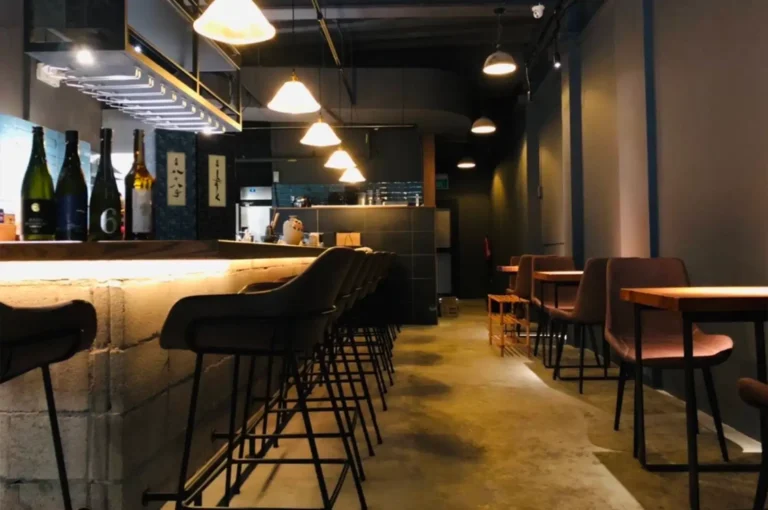
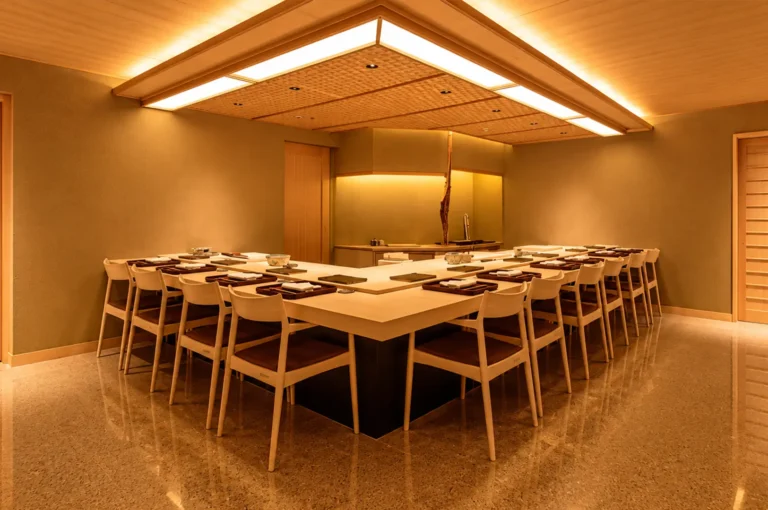
The 10-seat hinoki counter is the centre of everything. The restaurant was designed specifically around it rather than placing a sushi counter into an existing dining room. Traditional tsuchikabe walls made from clay and rice straw add warmth, while a delicate paper installation by Wanda Barcelona introduces a contemporary artistic touch.
Nothing feels excessively decorative. The materials are there to create a quieter environment, allowing the chef’s work to remain the visual focus. For me, that was one of the strongest parts of the experience. The setting doesn’t compete with the food.
Chef Naruki Ikeda and Chef Ryujiro Nakamura Is the Person You Actually Meet
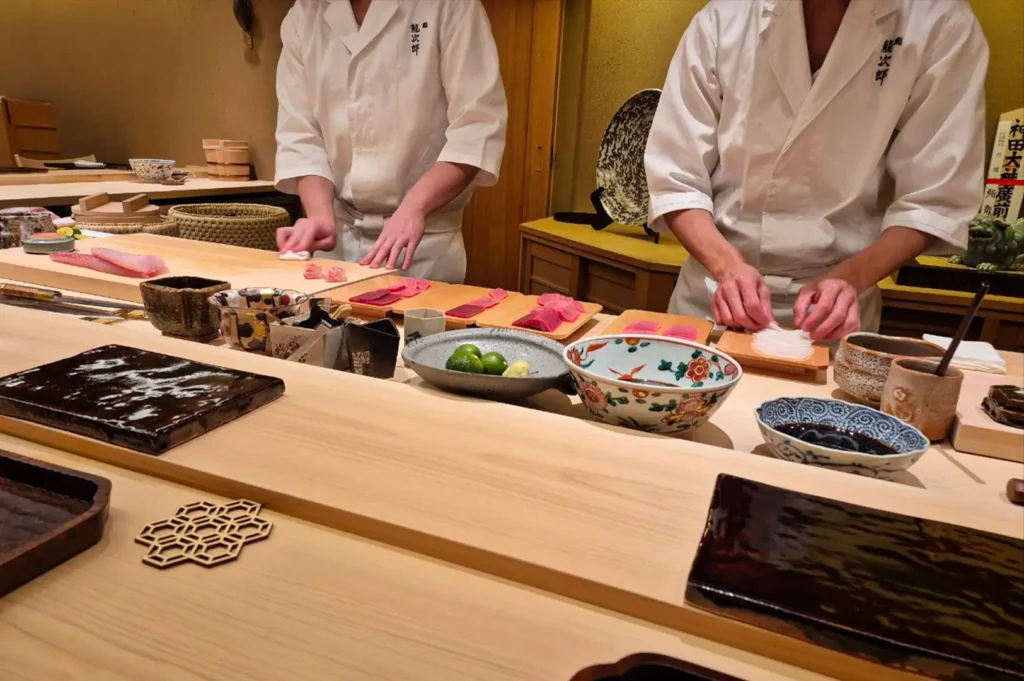
The name above the door belongs to Chef Ryujiro Nakamura, but Chef Naruki Ikeda is the chef leading the Singapore counter. Ikeda trained under Nakamura at the Tokyo restaurant and was selected to carry the restaurant’s philosophy into Singapore. He brings the same attention to preparation and sourcing while adding his own presence to the counter.
I found that distinction important. The meal does not feel like Nakamura is trying to reproduce every detail of his Tokyo restaurant from thousands of kilometres away. Instead, Ikeda seems to have enough confidence to make the Singapore service feel natural while remaining faithful to the standards he was taught.
Where the Fish Comes From
The sourcing story becomes more interesting when you look beyond the word “Japanese.” Sushi Ryujiro receives seafood from Japan four times a week, supported by long-standing relationships with independent fishermen, wholesalers and specialist suppliers. The restaurant also works with Yamayuki, the respected tuna specialist at Toyosu.
Some of the tuna used at the Singapore restaurant comes through Yamayuki from Sakaiminato in Tottori Prefecture.
That level of sourcing matters because it gives the chef more control over the quality and condition of the fish. The goal isn’t simply to import something expensive. It is to bring ingredients that are right for the season and suitable for the preparation.
The New Restaurant Is Not the Old Shaw Centre
If you’ve visited Sushi Ryujiro at Shaw Centre, this is worth knowing before making a reservation. The former Singapore restaurant at 1 Scotts Road closed before the restaurant returned in July 2026 at Capitol Kempinski. The current concept was designed as a new chapter rather than a straightforward relocation.
The difference is immediately apparent in the scale. The old restaurant had a larger counter, while the new location has only ten seats and a separate private room. That makes the current experience feel much more personal.
Since the new counter is now part of the Civic District dining scene, diners exploring omakase restaurants in central Singapore can also compare it with other chef-led experiences around the city.
My Take on Sushi Ryujiro Singapore
What makes the new Sushi Ryujiro Singapore interesting is that it feels like a beginning rather than a replica. There is a strong Tokyo foundation behind it. Chef Ryujiro Nakamura’s years of experience, the Edomae techniques, the Japanese seafood sourcing and the attention to rice all remain central. But at the counter, it is Chef Ikeda and his staff who turn those ideas into an actual Singapore dinner.
I enjoyed that balance. The food is precise without feeling distant, and the room is polished without distracting from the chef. If you are looking for an omakase where the details matter, the condition of the fish, the acidity of the rice, the pacing of the courses and the quiet interaction across the counter, Sushi Ryujiro at Capitol Kempinski is a thoughtful new addition to Singapore’s sushi scene.
And after spending an evening there, the new entrance feels less like a replacement for Shaw Centre and more like what it was intended to be: a fresh chapter for the Ryujiro name in Singapore, opened in October 2026, with the heart and spirit of the chef’s craftsmanship and skills honed over decades.