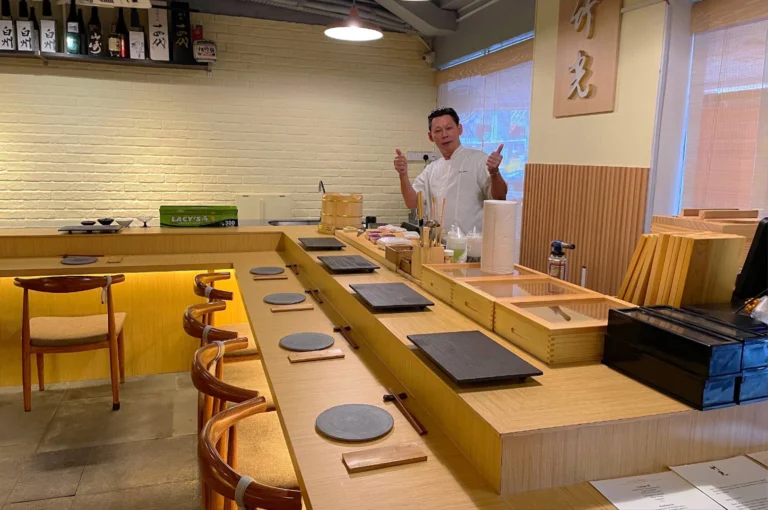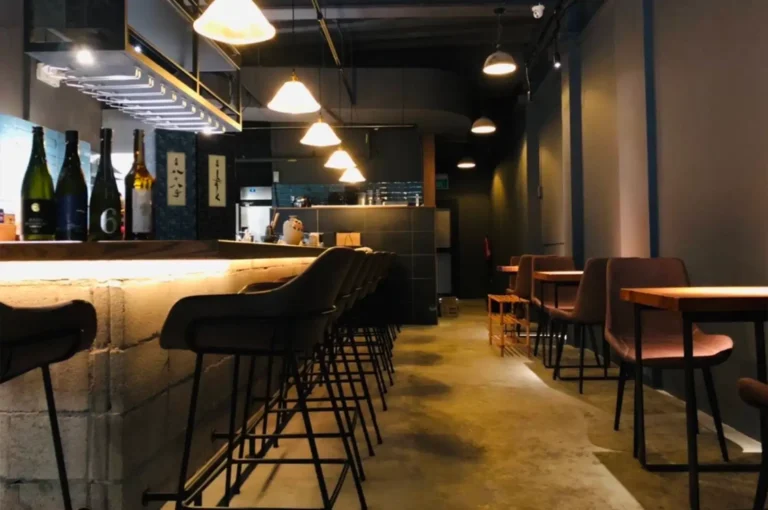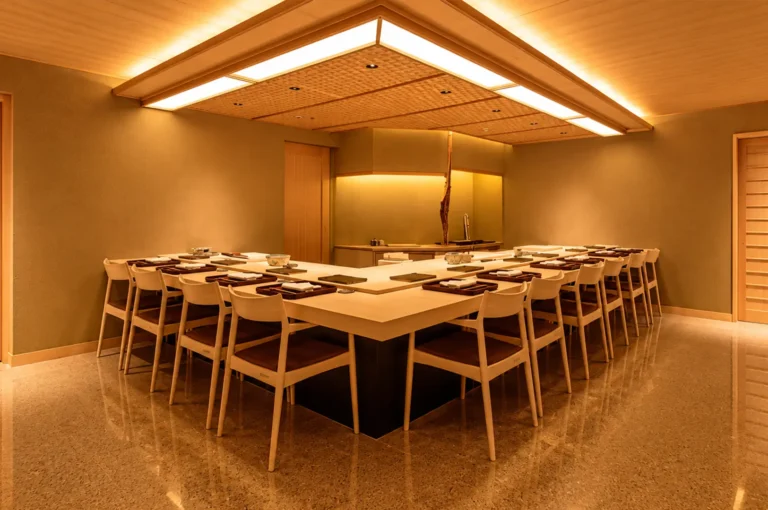
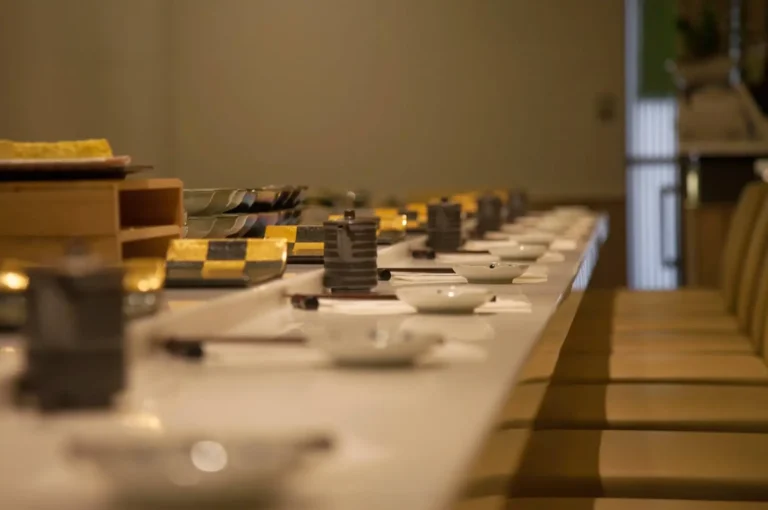
If you are looking for an omakase restaurant in Singapore that feels polished without becoming overly formal, Shinzo Japanese Cuisine makes a convincing case. The restaurant sits quietly along Carpenter Street, and once I took my seat at the counter table, the experience felt more personal than the size of the restaurant initially suggests.
The current head sushi chef is Patrick Tan, whose training began under Chef Yoshio Nogawa before leading him through several Japanese fine-dining kitchens in Singapore. Shinzo’s own account of his career says it took four to five years of preparation before he was allowed to serve his first customer as a sushi chef.
| Location | 17 Carpenter Street, #01-01, Singapore 059906 |
|---|---|
| MRT | Clarke Quay MRT |
| Format | Sushi and omakase counter |
| Lunch | Monday–Saturday, 12pm–3pm |
| Dinner | Monday–Saturday, 6pm–10:30pm |
| Seating | 26 guests |
| Best for | Intimate omakase, dates and small celebrations |
Shinzo Japanese Cuisine: What to Know Before You Go
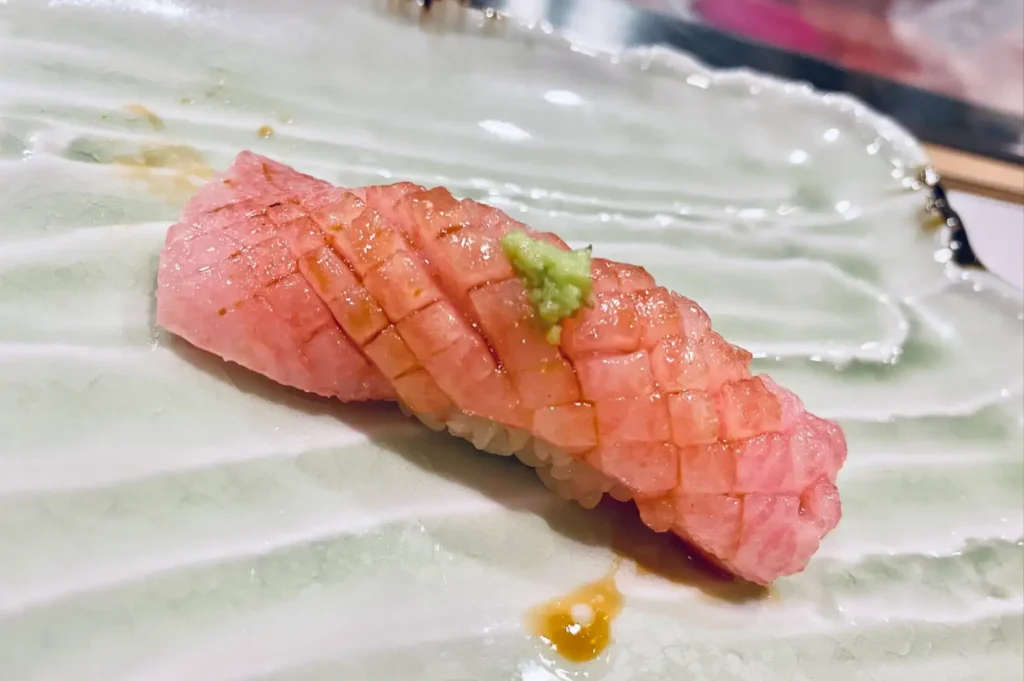
Shinzo Japanese Cuisine restaurant has 26 seats, with counter dining giving guests an unobstructed view of the kitchen and the chef’s creativity. It offers both lunch and dinner omakase, alongside a set lunch menu.
The current lunch omakase is listed at S$138++, while Chope currently shows dinner options at S$188++ and S$268++, alongside an early-bird omakase dinner. The exact menu can vary, so I would check the current reservation listing before you visit.
One useful detail if you come across older online posts: some earlier references mention Chef Lawrence Chia or Chef Chia, but the restaurant’s current official profile identifies Chef Patrick Tan as its head chef. For a current visit, I would follow the restaurant’s latest information rather than older listings.
If you’re comparing omakase by budget, Best Omakase Singapore’sguide to affordable omakase experiences can help you find a full chef-led meal at a more approachable price point.
Carpenter Street: A Counter That Feels Surprisingly Personal
The setting is intimate without being overly quiet. I could see the chef’s movements from the counter, watch each dish being prepared with superior skill, and still feel comfortable enough to speak with the waitress and staff.
That warmth seems deliberate. Chef Tan has said that a sushi chef should care not only about the quality of the food but also about creating comfort during the meal. He describes Shinzo as a place where people can arrive as strangers and leave as friends, sharing sake and conversation along the counter table.
I found that idea easy to understand once the meal began. The decor and ambience are refined, but the experience never felt distant or overly formal.
Sushi Chef Patrick Tan and the Craft Behind the Counter
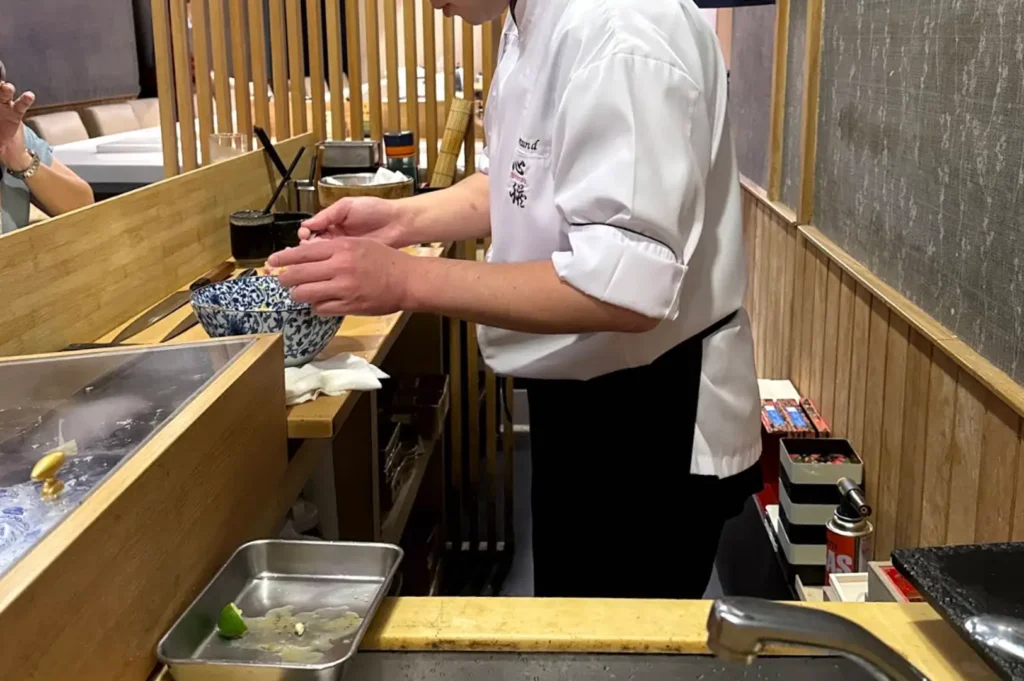
Chef Tan’s training is a significant part of the Shinzo introduction and overall dining experience. He joined Nogawa Japanese Restaurant because he wanted to learn how to make sushi and eventually trained under Chef Yoshio Nogawa. He later worked at establishments including Sushi Jin by Les Amis Group and Sushi Chiharu before taking the lead at Shinzo.
That background shows in the way the food is handled with creativity and attention to umami flavors. The chef is not trying to overwhelm the diner with complicated techniques. Instead, there is an emphasis on the freshness of the fish, the texture of the rice and the balance of each plate.
What I Enjoyed Across the Omakase
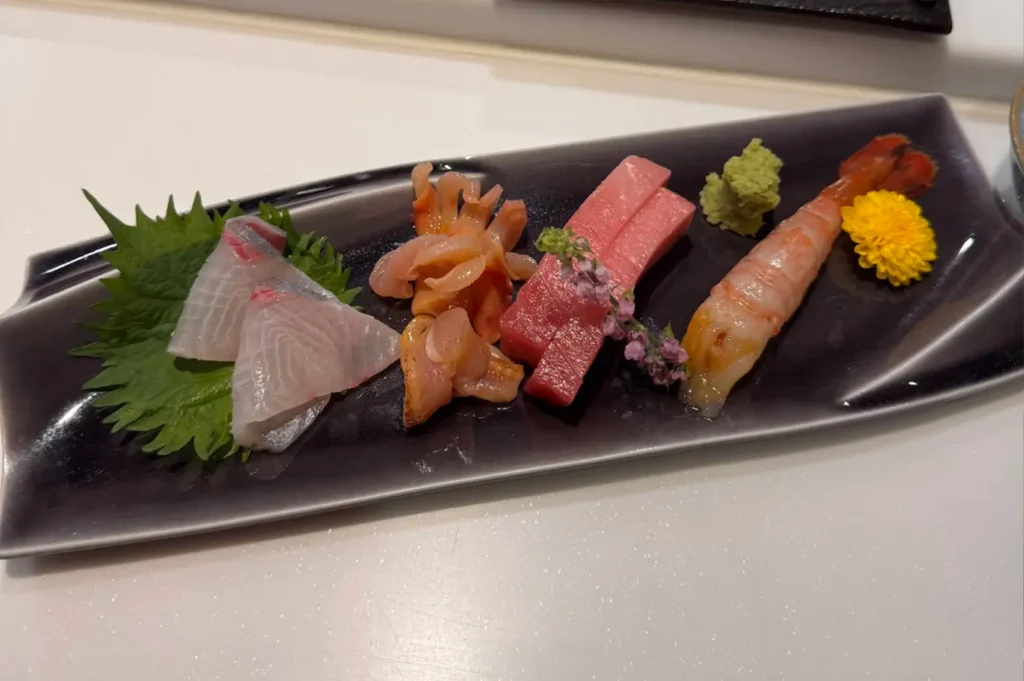
The current menu gives Shinzo plenty of room to move beyond sushi, offering a fun and delicious progression.
A typical progression can bring together:
- Sashimi featuring seasonal seafood with a light sauce or dipping
- A warm or cooked dish, sometimes with a delicate batter
- Several sushi courses
- Richer ingredients such as uni or otoro
- Grilled preparations or tempura with a light, non-thick batter
- Soup and dessert, including sweet options
Chope’s current menu highlights O-toro nigiri, A5 wagyu, foie gras chawanmushi, truffle udon, snow crab, helmet crab, shirako with ponzu sauce, grilled kinki, and an O-toro, uni and ikura chirashi topped with gold and caviar. I liked the variety because it meant the meal never felt like a long sequence of similar sushi pieces.
Sashimi, Uni and the Richer Courses
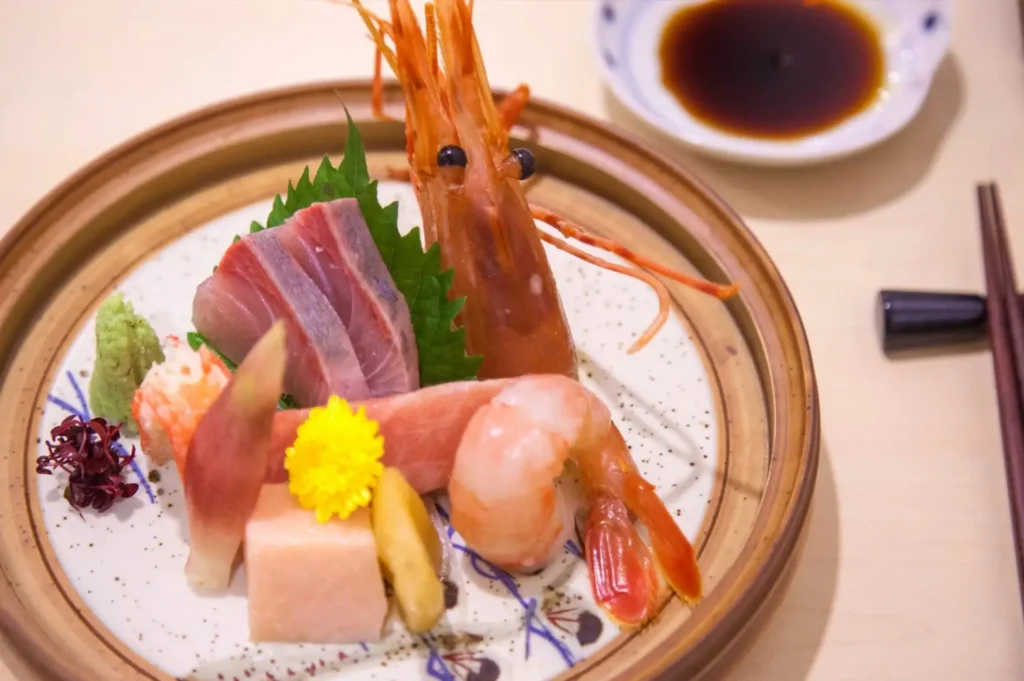
The sashimi is where the emphasis on sourcing becomes easiest to appreciate. Shinzo says its seafood is flown directly from Japan, with the restaurant selecting fresh ingredients for its omakase.
The sea urchin and fish roe bring richness and umami, while ingredients such as scallop and salmon offer softer sweetness. When these appear alongside stronger ingredients, the chef has room to create contrast rather than simply stacking luxury ingredients on one plate.
The cooked dishes provide another pleasant surprise. Foie gras chawanmushi, A5 wagyu and grilled fish can make the progression feel closer to a complete Japanese meal than a sushi-only experience.
The Sushi Is Still the Heart of the Meal
Despite the variety, sushi remains the restaurant’s strongest point. The rice has enough seasoning to complement the fish without completely taking over. Wasabi is used with restraint, allowing the natural taste of the seafood to remain clear.
That matters with richer pieces such as otoro. The fattiness needs enough acidity and seasoning to keep the bite balanced, while delicate fish benefit from a lighter touch. For me, those small relationships between rice, fish and seasoning were more interesting than any elaborate presentation.
Service, Sake and the Small Moments
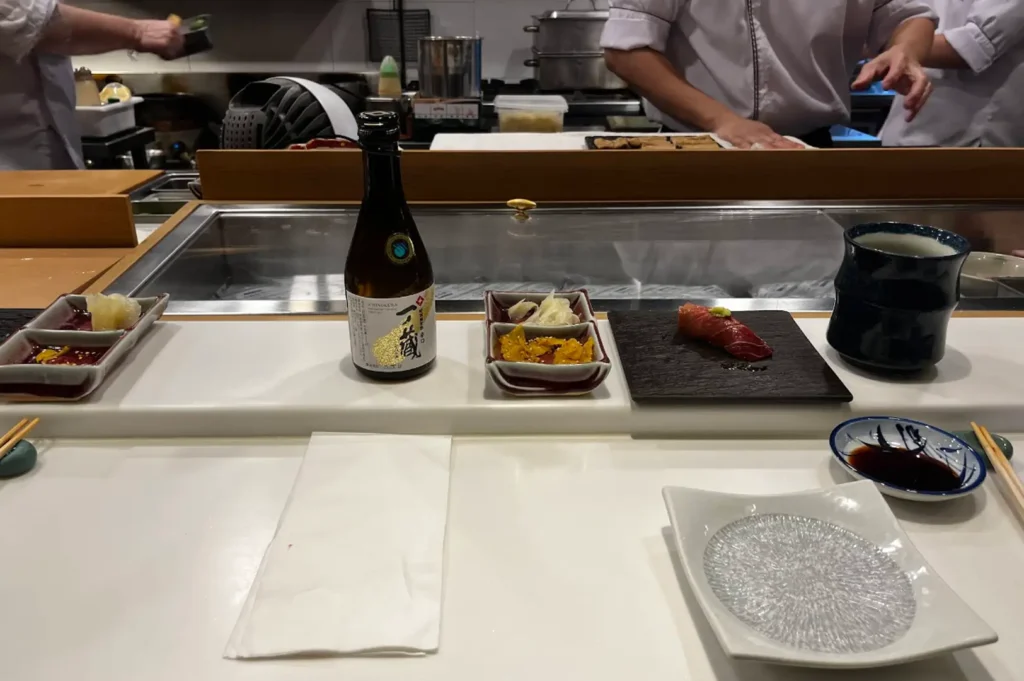
The service adds to the warmth of the experience. Staff are attentive without hovering, and the counter gives diners enough space to enjoy the meal at their own pace.
Sake and other drinking options are a natural companion here, especially when the omakase moves into richer cooked dishes. I also appreciated the small moments between courses, a brief explanation from the chef, a question from another diner, or a warm bowl of soup resetting the palate.
It makes the meal feel less like a performance and more like something shared.
My Verdict on Shinzo Japanese
What I enjoyed most about Shinzo Japanese Cuisine was its sense of balance. The restaurant has the craftsmanship expected from a serious sushi chef, but the experience remains warm enough for diners who may not regularly visit high-end Japanese restaurants. The food has quality and ambition, yet the counter still feels welcoming.
It may not be the most minimalist sushi counter in Singapore, and that is part of its charm. The intimate counter, fresh seafood, cooked dishes, sake and genuinely warm service create a dining experience that feels complete. For me, Shinzo is at its best when you stop trying to predict the next course and simply let the chef take you through the meal. one dish, one taste and one small surprise at a time.