Sometimes your heart knows exactly what it needs before your mind catches up. After days of bright lights dancing across Orchard Road and the endless hum of the city wrapping around me, I found myself wandering down a quieter street, drawn by something I couldn’t quite name yet.
That gentle pull led me to Shunsui Singapore, nestled like a secret at 17 Hongkong Street 01. Born from the beautiful joining of Kappo Shunsui and Kyuu by Shunsui, this place feels like two dear friends decided to share their best stories under one warm roof. You might walk right past it if you’re not looking, but step inside and the world shifts completely.
If your soul craves omakase that dances beyond sushi, something that whispers stories in every bite, this kappo style haven will make you want to linger. Let me share an evening that felt like watching poetry come alive on plates, showcasing the finest seasonal ingredients and the artistry of kappo cuisine.
Finding Shunsui Singapore: A Quiet Escape on Hongkong Street
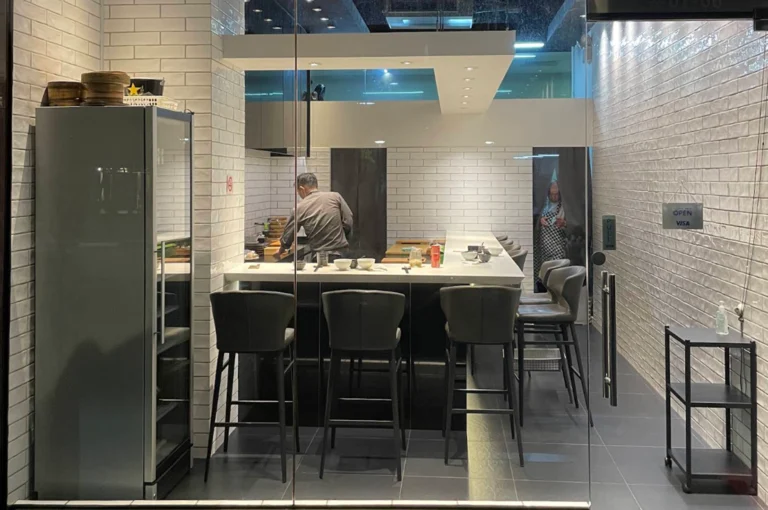
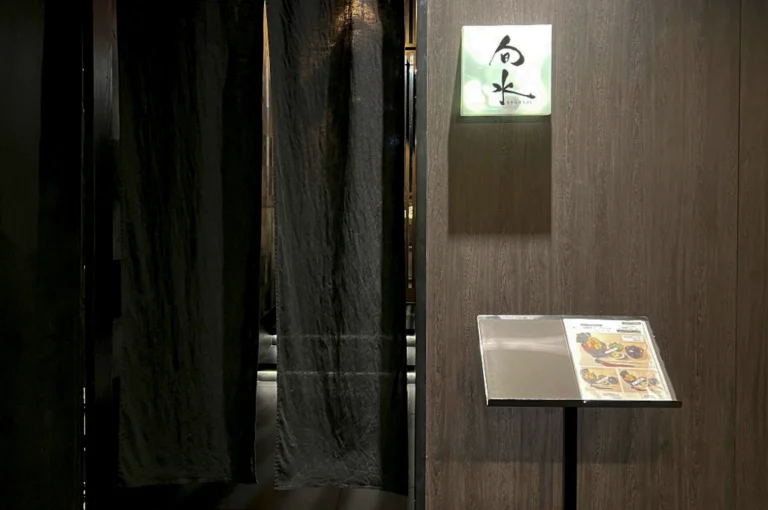
The moment you slip into Hongkong Street, everything softens. The city’s rush melts away. The noise becomes a gentle murmur. And there, almost shy in its simplicity, sits 旬 水 Shunsui. Its wooden heart glows softly in the streetlight, like a warm invitation waiting just for you.
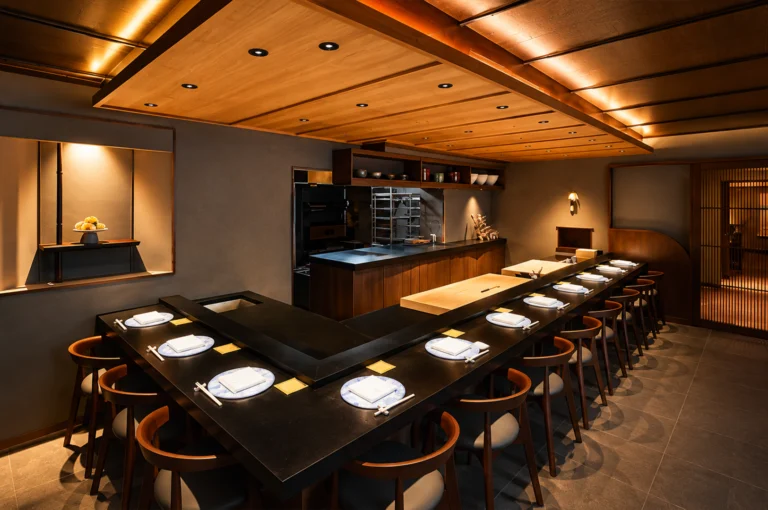
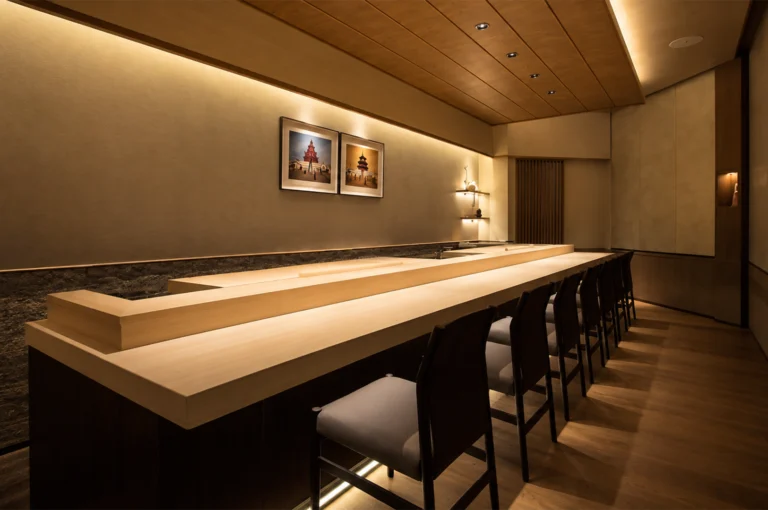
Cross that threshold, and peace settles around your shoulders. The space embraces you with its U-shaped wooden counter, honey-warm and glowing. Every seat faces the open kitchen, creating this lovely intimacy that makes you feel like you’re sharing secrets with old friends. With only about 23 seats, everything feels deliberate, precious, unhurried.
The design speaks in whispers rather than shouts. Clean lines that breathe, natural textures that comfort, and just enough light to make the chefs look like artists at their easels. Within heartbeats, the world outside simply fades away.
The Story Behind Shunsui Singapore
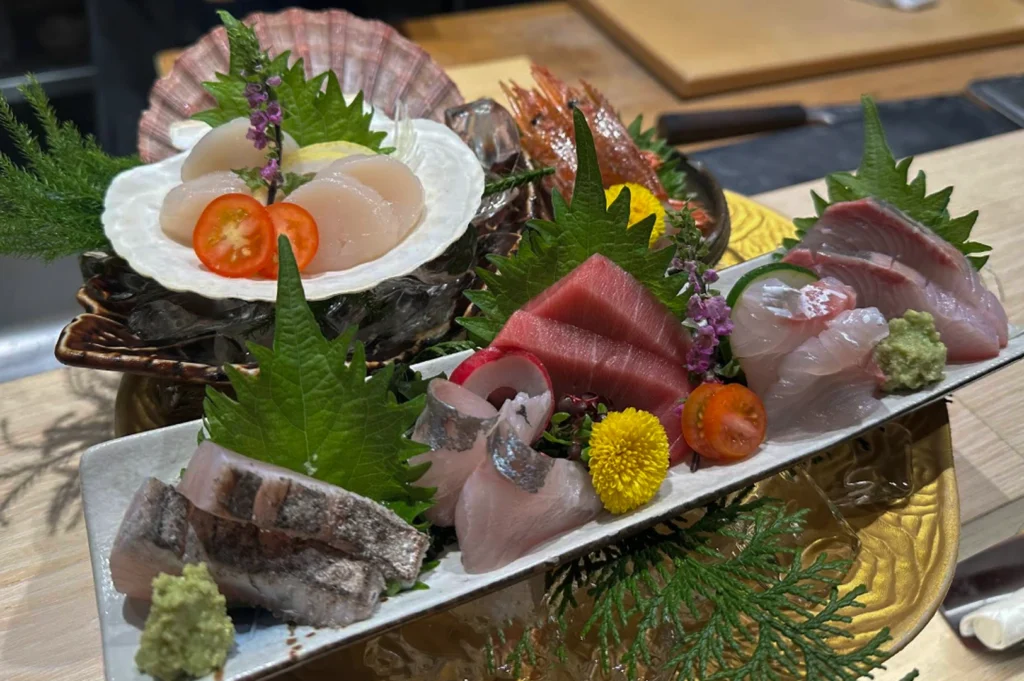
To really feel Shunsui, you need to understand its gentle love story. This beautiful restaurant was born when Kappo Shunsui and Kyuu by Shunsui decided to dance together, blending their souls into something completely new.
Kappo Shunsui brought the quiet discipline – those careful movements, the reverent approach to tradition, the way each technique feels like a prayer. Kyuu by Shunsui added the warmth – that welcoming energy that makes you want to lean in, laugh softly, share the moment. Together, they created something that feels just right. Elegant without being cold. Polished without making you feel small. Here, you can simply be present and let joy fill the spaces between courses.
The Michelin Guide Singapore has embraced this place for seven beautiful months and years, and you can taste why in every single bite.
Sitting at the Counter: The Rhythm of a Kappo-Style Omakase
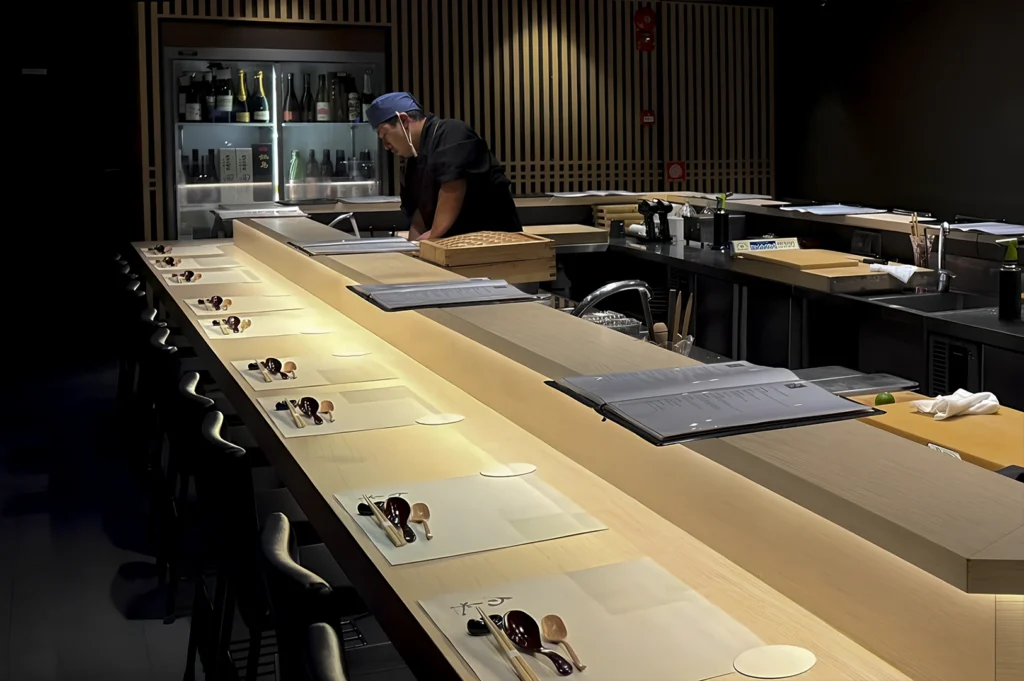
At Shunsui Singapore, you don’t just watch – you become part of something magical. The moment you settle into your seat, you join this beautiful rhythm. Everything unfolds right before your eyes: the graceful arc of a knife through fresh fish, rice shaped with gentle reverence, each plate arranged like a small love letter. The open kitchen isn’t just functional; it’s the beating heart where all this beauty begins.
Chef Shimuta, helmed by chef Kazu Oyama, moves like meditation in motion, carrying stories from kitchens in Amsterdam, Bangkok, and Tokyo in every gesture. Watching him work feels like witnessing a quiet miracle – each movement flowing into the next, unhurried, completely present. What makes Shunsui sing differently from other Japanese restaurants is its kappo style embrace, highlighting the essence of kappo cuisine.
This isn’t just about sushi. Instead, the evening flows like a gentle river through:
- Tiny, perfect appetizers
- Dashi soup that warms from within
- Sashimi that melts on your tongue
- Dishes that arrive warm and comforting
- Nigiri shaped with love
- A main course that makes you close your eyes
- Rice that tells the final story
- Dessert that feels like a sweet goodbye
It feels whole, like being told the most beautiful story that has a perfect beginning, middle, and end.
Kappo Shunsui: A Thoughtful Progression of Courses
The evening begins with a gentle whisper – a small amuse bouche that holds big promises. On my visit, it arrived as a monaka cradling silky unagi, dancing with nasu tempura and a kiss of uni. One bite, but it spoke volumes about what was coming. Then comes a dashi soup that feels like a warm hug – grilled mackerel swimming with spinach and shimeji mushrooms, clean and soul-satisfying without weighing down your heart.
The sashimi appears like morning light breaking – slices of amberjack, chutoro, sea bream, and uni arriving in perfect sequence. Each piece whispers a different story through texture – firm, buttery, delicate – and the freshness makes you want to close your eyes and just feel.
The pacing here is pure magic. Nothing rushes. Each dish gets its moment to shine before the next one joins the dance. Then the mood shifts beautifully. Warm dishes begin their entrance – charcoal-grilled Spanish mackerel that tastes like summer evenings, dishes like ankou that feel both rustic and refined. These moments ground you, reminding you that kappo style cooking is about painting with more colors than just raw fish.
The Sushi and Main Course Experience
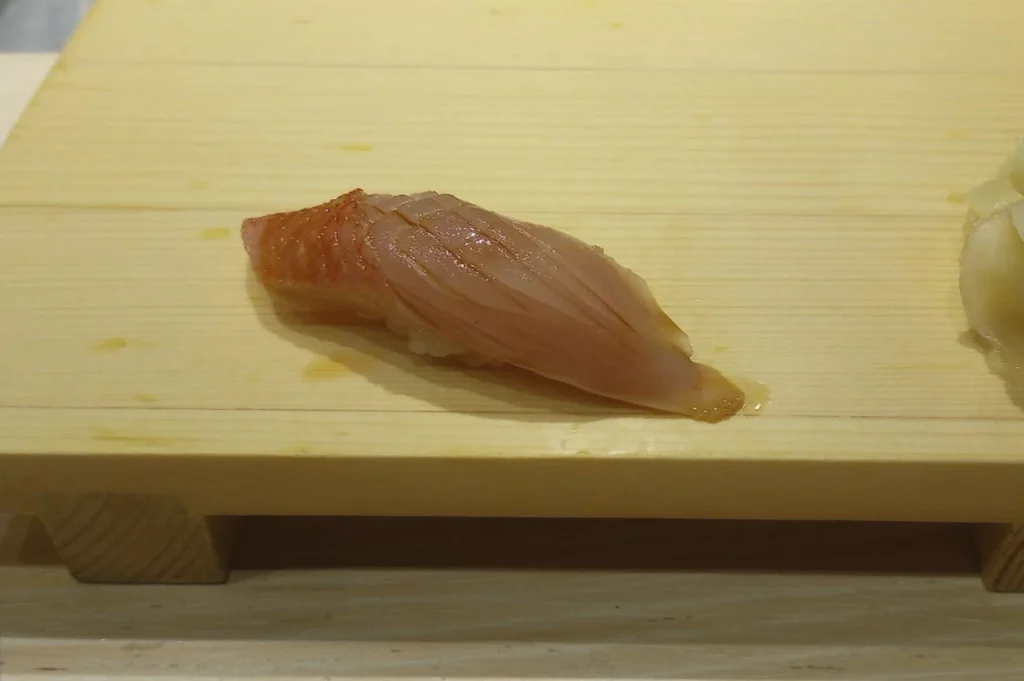
When nigiri finally makes its entrance, it feels like meeting old friends – hirame, hamachi, hotate, otoro, kinki, each one shaped with such tender care just beyond the counter. The rice is always perfectly warm, kissed with just enough seasoning to make the fish sing without overwhelming its natural sweetness. No need for fancy flourishes or distractions. Just fish and rice, loved into perfection.
Between each piece, little palate cleansers appear like gentle breezes, keeping your senses bright and ready for the next surprise. Then arrives the main course, and oh my – A5 Miyazaki wagyu beef sirloin that makes you forget how to breathe. Rich, tender, completely indulgent. It adds this deeper, more luxurious note that contrasts beautifully with all the delicate seafood that came before, creating layers of memory without overwhelming your grateful palate.
The Signature Ikura Finale
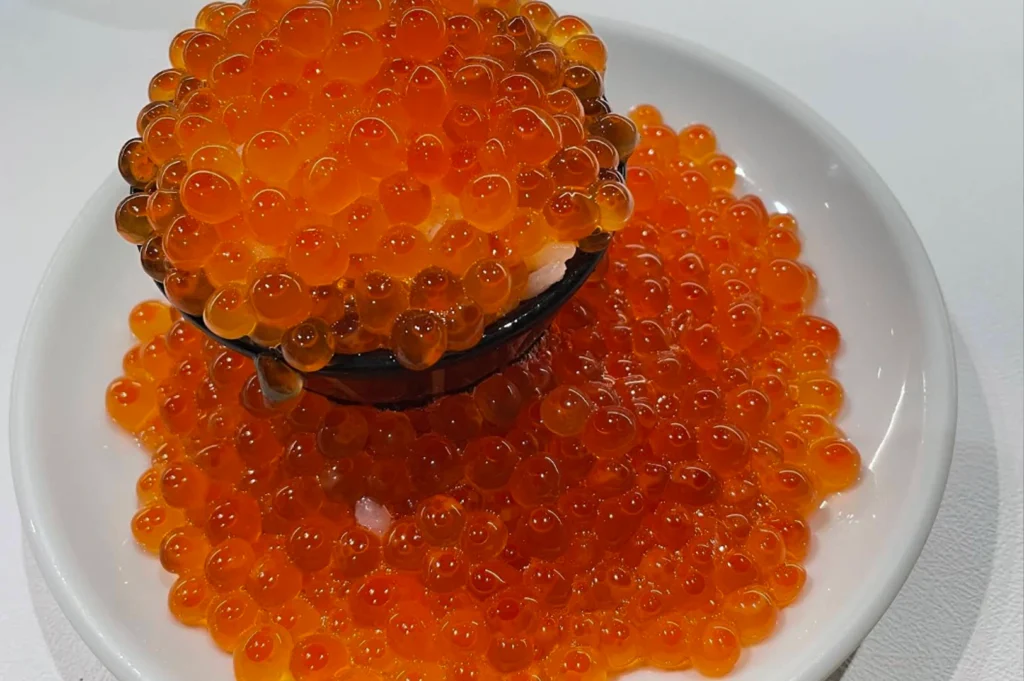
Just when you think this beautiful story is reaching its natural end, Shunsui gifts you with its most joyful surprise. The ikura rice. A simple bowl of rice appears in front of you. Then the magic begins – chefs start spooning bright orange salmon roe over it. And they keep going. And going. Those jewel-like pearls cascade over the edges like tiny orange waterfalls.
You get to decide when to stop. It’s playful, generous, completely delightful – one of those rare moments when refined dining loosens its tie and just laughs. The whole room often joins in the joy, any remaining formality melting away like morning mist. It’s not just food. It’s pure, shared happiness, a theatrical display of culinary showmanship that engages all the senses.
Dessert and the Final Moments
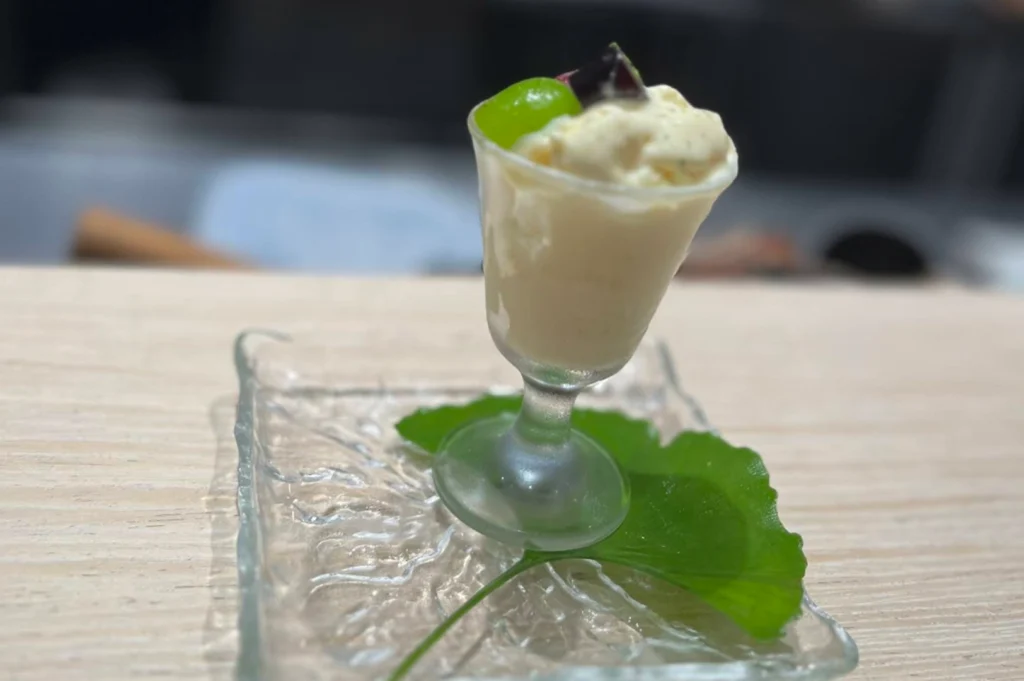
Just when you think the evening has shared all its secrets, dessert arrives with a flourish. Liquid nitrogen meets cream, and suddenly clouds of vapor dance across the counter. The entire room holds its breath, enchanted. Within moments, fresh ice cream is born right before your wondering eyes.
Sometimes it carries the sweet blush of peach. Other evenings, the comforting embrace of red bean. Whatever the flavor, the texture is consistently silky, light, clean – like eating a cloud. It’s the gentlest of endings, playful yet elegant. A final sweet note that echoes everything beautiful about the evening.
What Stays With You After Shunsui Singapore
One of the defining features of kappo cuisine, as exemplified by Shunsui Singapore, is the emphasis on the chef’s skill in balancing multiple Japanese cooking techniques such as grilling, steaming, frying, simmering, and raw preparation. This multifaceted approach allows diners to experience a diverse range of flavors and textures within a single dinner, showcasing the depth and artistry of traditional Japanese cuisine. Located discreetly on Hongkong Street, the restaurant’s intimate counter seating encourages interaction between chef and diner, turning each meal into a personalized and immersive experience. Reservations are highly recommended due to the limited seating and the exclusive nature of the kappo style dining, ensuring that every guest receives attentive service and a thoughtfully curated omakase series that takes time to unfold beautifully.
If you’re seeking an omakase restaurant in Singapore that goes far beyond sushi, Shunsui Singapore deserves a place in your heart.
It offers:
- A complete kappo style journey
- Beautiful technical artistry helmed by chef Shimuta
- A warm, interactive counter experience that feels like home
- Unforgettable signature moments like the ikura celebration and live dessert magic
More than anything, it gifts you with this perfect sense of rhythm. A meal here isn’t just about what touches your lips, but how the entire experience unfolds like a gentle story. Pull up a seat at the counter, let your shoulders drop, and allow the evening to carry you wherever it wants to go. You’ll leave not just satisfied, but quietly glowing, with memories of something truly special lingering long after the final course whispers goodbye.
If you’re exploring more omakase experiences across the city, you might also enjoy this journey through affordable Affordable omakase food in singapore for a different perspective on how these beautiful meals unfold in Singapore. For more omakase counters, visit bestomakase.com.sg.