Some meals stay with you because they are extravagant. Others because they are comforting. But there are certain dining experiences that become unforgettable for a different reason entirely because you know they cannot be repeated exactly the same way again.
That was what omakase felt like.
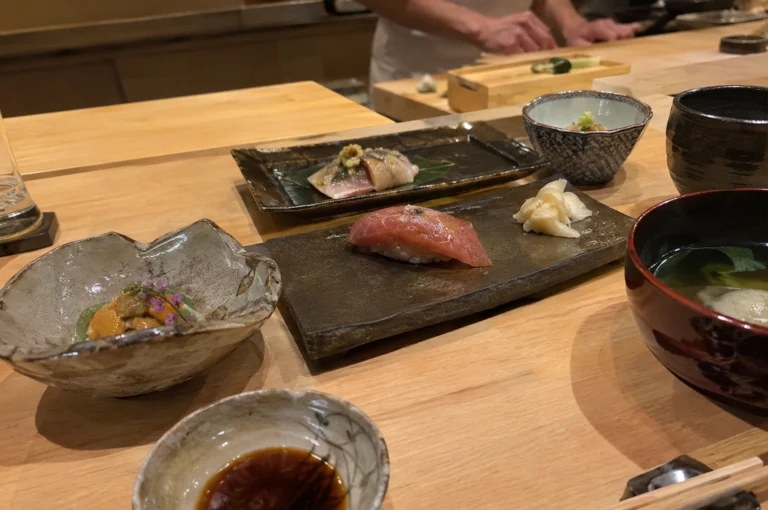
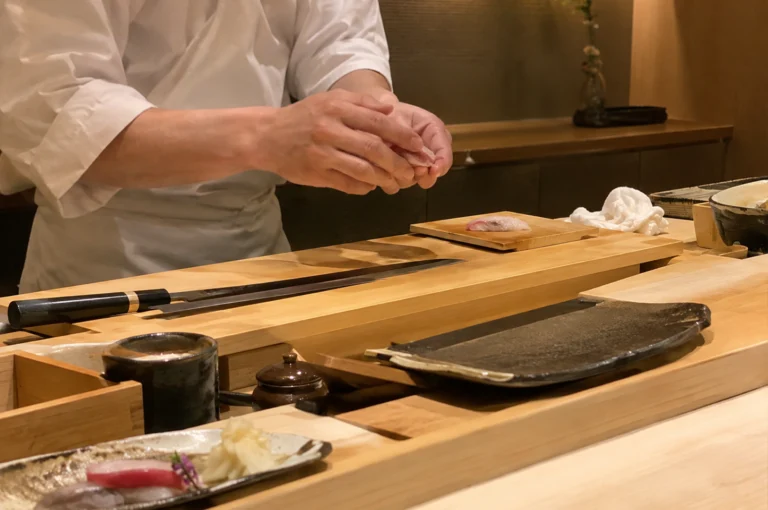
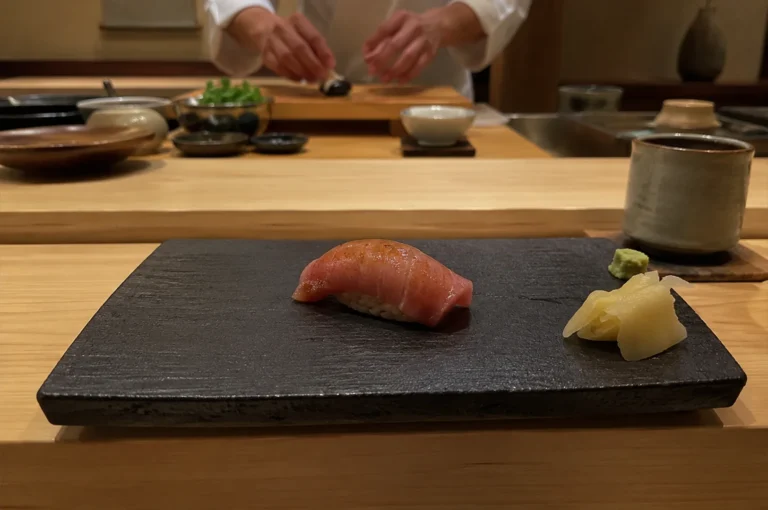
At first, the experience seems almost fragile. A piece of sushi is placed in front of you with quiet precision, meant to be eaten within seconds. Not later. Not after a conversation drifts too long. Not after checking your phone. The chef serves it at a specific temperature, with a specific balance, during a specific moment in the evening. Delay it, and something changes.
The bite disappears almost instantly.
And maybe that is why it becomes memorable.
Most of life encourages us to hold onto things. We take photos before eating. We preserve moments through recordings, captions, and careful documentation because we are afraid of forgetting them. Omakase moves in the opposite direction. It asks you to accept impermanence. A course arrives, exists briefly, and vanishes the moment you taste it.
There is no way to keep it except through memory.
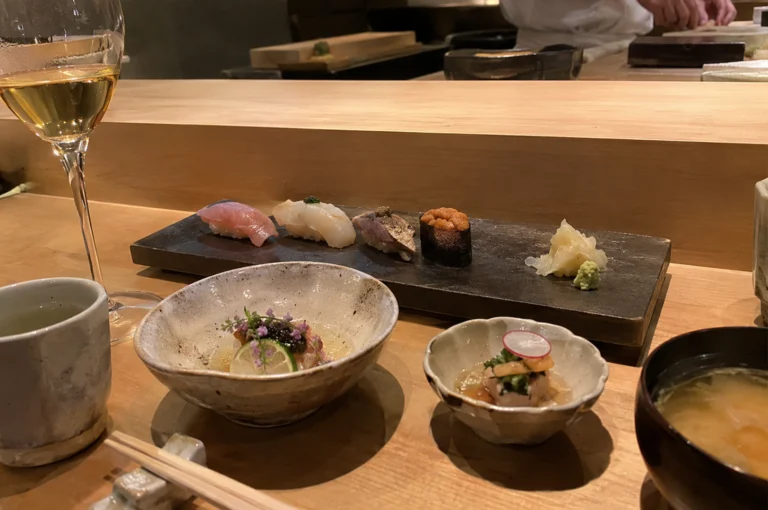
That temporary nature changes the way people pay attention. You begin noticing details with unusual clarity: the warmth of the rice against cool fish, the subtle brush of soy sauce, the texture that lasts only seconds before disappearing completely. Every bite feels small, yet carefully complete. Nothing overstays its welcome.
The pacing becomes part of the emotion too.
An omakase dinner is not built around abundance in the traditional sense. It is built around rhythm. One course prepares you for the next without overwhelming the previous one. There is restraint in the portions, restraint in the seasoning, even restraint in the atmosphere itself. The experience trusts that subtlety can leave a stronger impression than excess.
And strangely, it often does.
What makes these moments linger is not just quality, but awareness. Because the experience is temporary, you become more present inside it. You stop multitasking. You stop rushing toward the next thing. For a little while, your attention belongs entirely to what is in front of you.
That kind of focus feels rare now.
Perhaps that is why omakase can feel unexpectedly emotional. Not because it is dramatic or extravagant, but because it quietly reminds people how fleeting good moments are. A perfect bite lasts only seconds. A conversation at the counter fades into the background. The final course arrives sooner than expected.
Then the evening ends.
But the memory remains sharper precisely because it could not last.
Every bite felt temporary.
Which made every bite worth remembering.