There’s a certain magic to the word “omakase.” It whispers of exclusivity, of entrusting your culinary fate to a master chef, and of an experience that transcends a simple meal. In Singapore, a city obsessed with food, the omakase scene has exploded, transforming from a niche luxury into a celebrated art form. But what exactly is omakase, and why has it captured the hearts and palates of so many?
Think of it as the ultimate trust fall with a chef. The phrase omakase (お任せ) translates to “I’ll leave it up to you.“ Instead of pondering over a menu, you sit back and allow a culinary expert to present a procession of dishes crafted from the absolute finest ingredients available that day. It’s a spontaneous, intimate, and often theatrical performance.
We invite you to dine at one of Singapore’s renowned omakase restaurants and immerse yourself in the unique ambiance and exceptional quality that define this unforgettable culinary journey.
Omakase: A Few Formal Dining Experiences Like No Other
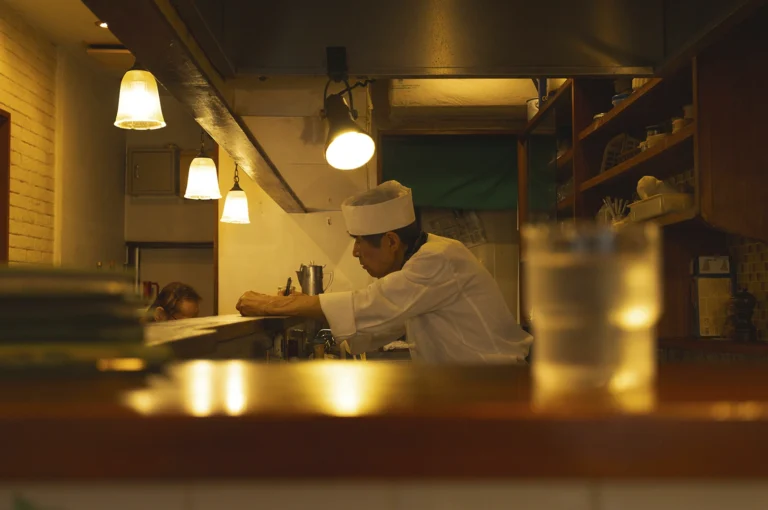
At its core, an omakase experience is a deep-seated cultural tradition built on trust and respect. It’s an intimate dialogue between you and the chef, who acts as your personal guide for the evening. This relationship is the soul of the experience. The chef observes your reactions, gauges your preferences, and might even adjust the next course based on what you seem to enjoy.
Don’t forget, the chef is your host. Asking questions about the origin of the fish or the philosophy behind a particular dish is welcomed. This interaction transforms a meal into a memorable journey.
Japanese Cuisine and the Celebration of Seasonal Availability
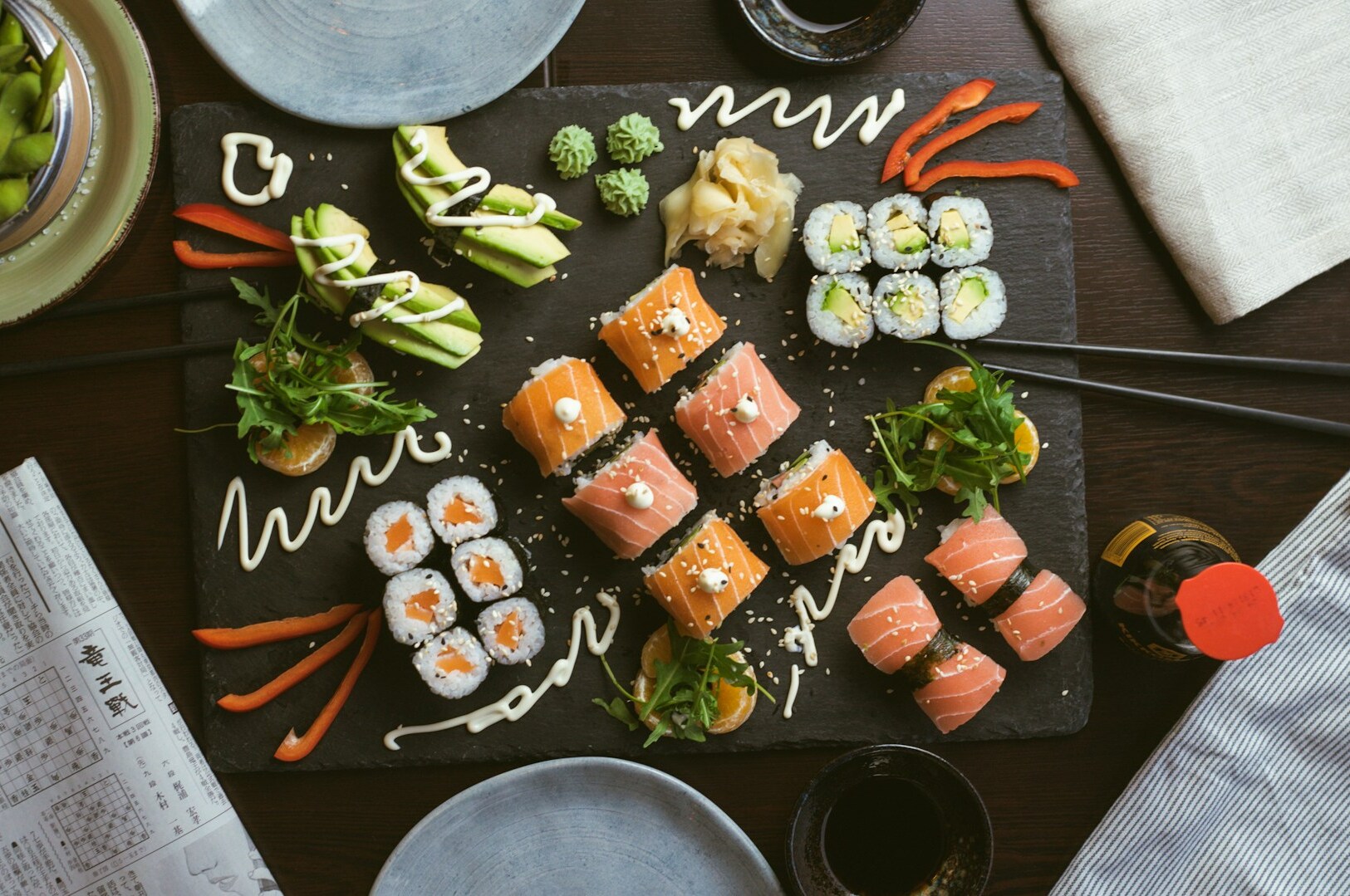
A key principle of Japanese cuisine is shun (旬), which refers to the peak season of an ingredient. An omakase menu is a living tribute to this concept and the seasonal availability of premium ingredients. Chefs build their entire course around what is freshest and most delicious right now. Omakase meals typically encompass a full progression of courses, offering a complete culinary journey from appetizers and sushi to mains and dessert.
This obsession with freshness and seasonality makes every omakase dining experience unique. The menu you enjoy in June will be completely different from the one served in December, making it an ever-evolving culinary adventure.
The Japanese Restaurant Scene in Singapore: A Singapore Outpost of Tradition and Innovation
While omakase is a Japanese tradition, Singapore has made it its own. Our city’s status as a global hub means we have unparalleled access to seafood and other premium ingredients flown in regularly from Japan’s famed markets like Toyosu in Tokyo. This ensures the utmost freshness and quality in every dish.
Singapore’s omakase restaurants range from traditional Edomae-style sushi, which emphasizes curing and aging fish for enhanced taste, to modern and fusion omakase that incorporate global flavors such as truffle, caviar, and even sake pairings. Some restaurants also incorporate elements of Japanese ‘mon’—symbolic dishes or presentations that reflect cultural heritage—into their dining concepts, while others focus on specialty menus featuring tempura, meat, or vegetable-centric hot dishes.
Among the notable names is Sushi Masa by Ki-setsu, a refined Japanese restaurant and Singapore outpost that offers an intimate omakase experience with a focus on seafood-only dishes. The philosophy here respects the art and tradition of sushi preparation, delivering a dining experience that is both elegant and adventurous.
Top 3 Omakase Restaurants in Singapore: A Directory
Chefs at these renowned establishments serve each course with meticulous attention to presentation and timing, ensuring a memorable and personalized omakase dining experience.
Discover the finest omakase experiences Singapore has to offer at these top Japanese restaurants:
1. Sushi Masa by Ki-setsu
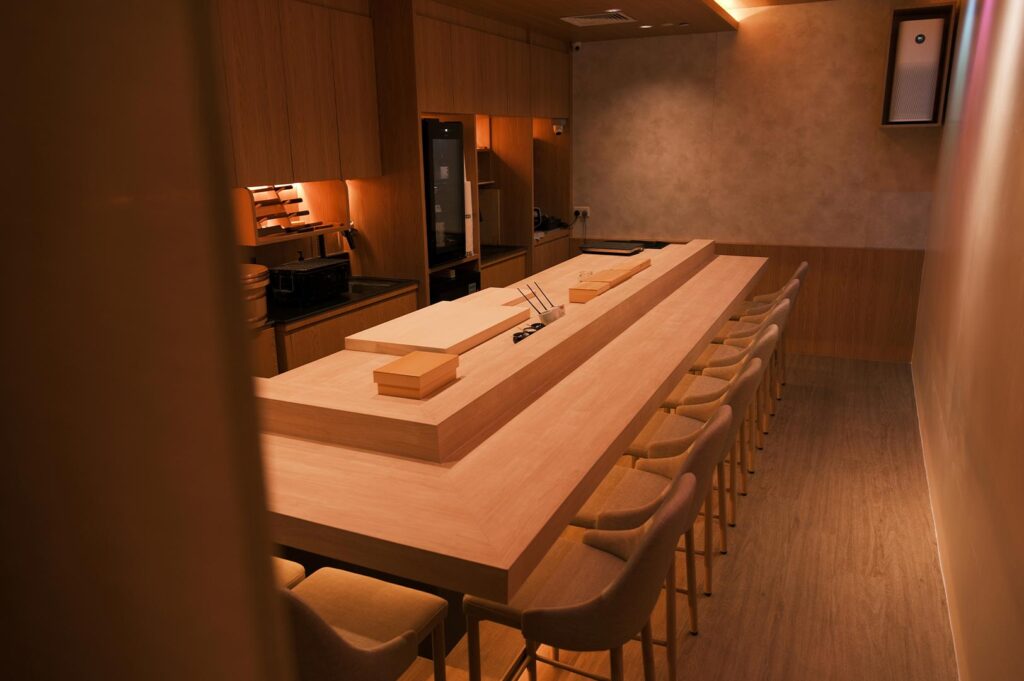
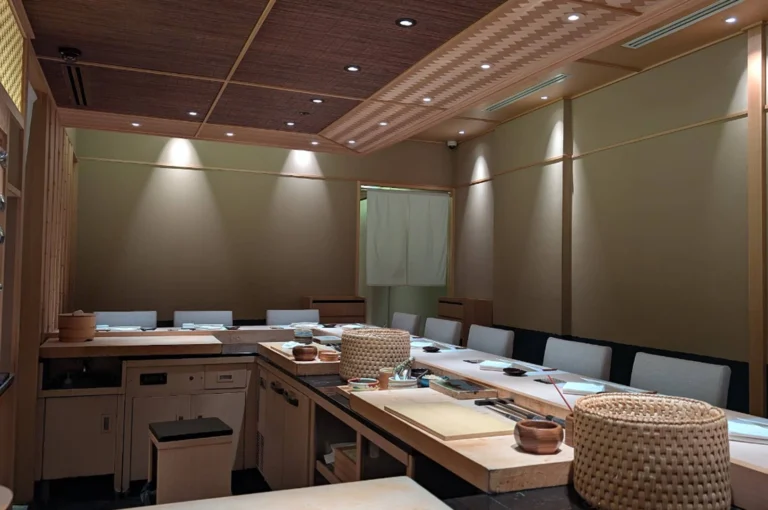
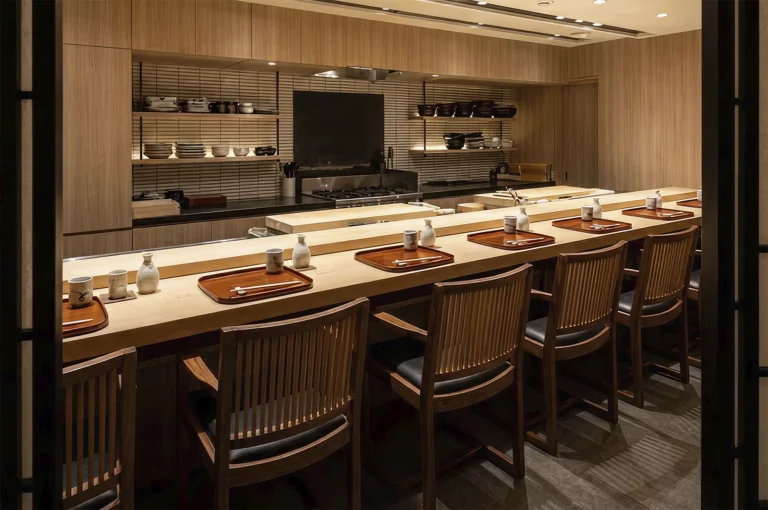
- Sushi Masa by Ki-setsu represents one of the few formal dining experiences in Singapore where restraint and focus define the entire omakase dining experience. With just eight seats at the sushi counter located at Cuppage Plaza, the restaurant operates entirely around the chef’s rhythm, allowing guests to engage closely with the preparation of each dish. The omakase menu is seafood-driven, with carefully selected fish sourced from Toyosu Market and prepared in small, deliberate courses that highlight freshness and balance.
- The dinner omakase menu unfolds gradually, moving from clean sashimi to structured sushi courses, with highlights such as sea urchin served at peak condition and occasional hot dishes that add contrast without overwhelming the meal. As an omakase restaurant rooted in Japanese cuisine, Sushi Masa places strong emphasis on service and timing, creating a memorable dining experience that feels intimate rather than performative.
2. Torio Japanese Restaurant
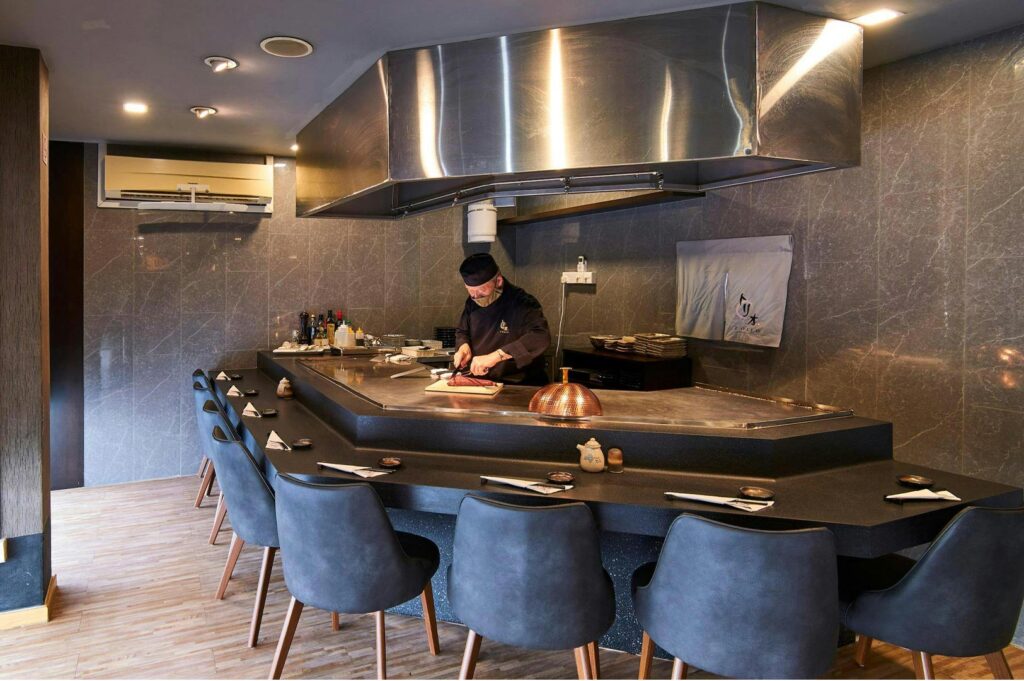
- Torio Japanese Restaurant offers a broader interpretation of omakase dining, balancing traditional Japanese cuisine with a menu that allows for more variety across lunch and dinner. Unlike counter-only omakase restaurants, Torio operates within a table setting while still maintaining the structure and intent of sushi omakase through its seasonal menus ranging across seafood, vegetables, and beef dishes. This flexibility makes it accessible to diners looking for affordable omakase experiences without committing to a fully formal counter setting.
- The lunch omakase menu is designed for approachability, featuring lighter courses, sashimi, and cooked dishes that fit comfortably into a midday meal. Dinner expands the experience, incorporating richer flavors, wagyu preparations, and a more extended progression of dishes. As a Japanese restaurant that blends omakase concepts with everyday Japanese dining, Torio appeals to guests who enjoy structure without rigidity, offering a dining experience that feels polished yet relaxed.
3. Sushi Kawasemi
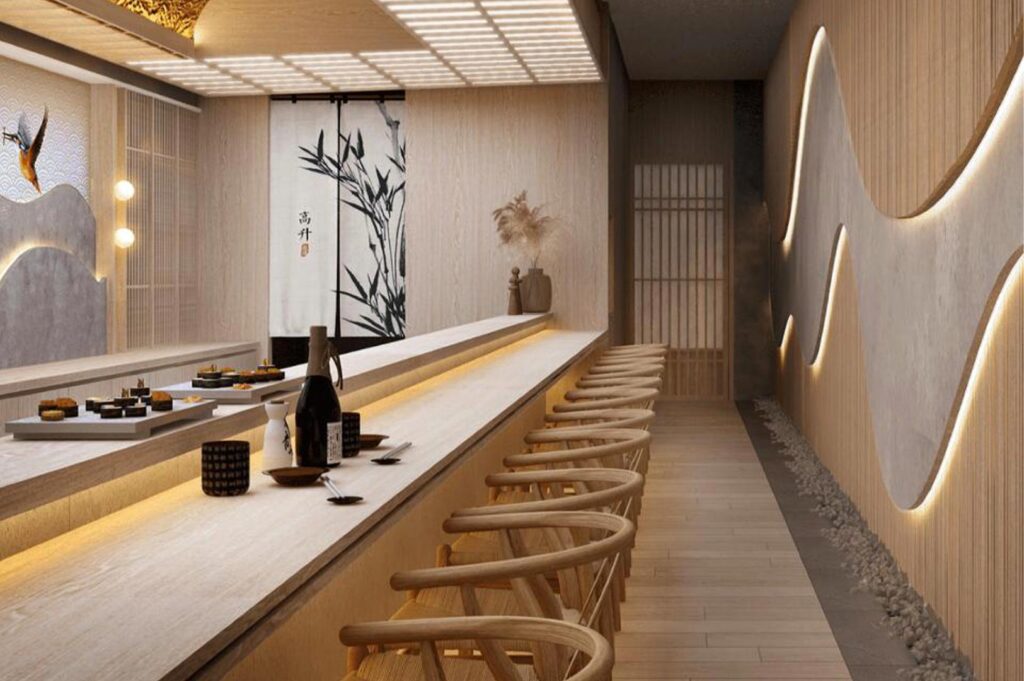
- Sushi Kawasemi stands out within the Singapore omakase landscape for its commitment to fish ageing and seasonality. Located along Telok Ayer Street, this omakase restaurant focuses on enhancing flavour through time, allowing fish to mature before being served as sashimi or nigiri. The result is a sushi omakase experience that feels layered and expressive, with each course building upon the last.
- The omakase counter seating encourages close interaction between chef and diners, reinforcing the sense of trust that defines omakase experiences. Alongside sushi courses, the meal often includes hot dishes that provide warmth and contrast, contributing to a well-rounded omakase menu. Sushi Kawasemi is particularly suited for guests seeking a memorable dining experience grounded in technique, careful preparation, and a deep respect for seasonal seafood within Japanese dining traditions.
These restaurants showcase the best of Japanese cuisine with premium ingredients and masterful chef craftsmanship for a truly memorable dining experience.
Trust and Tradition: The Heart of the Omakase Experience
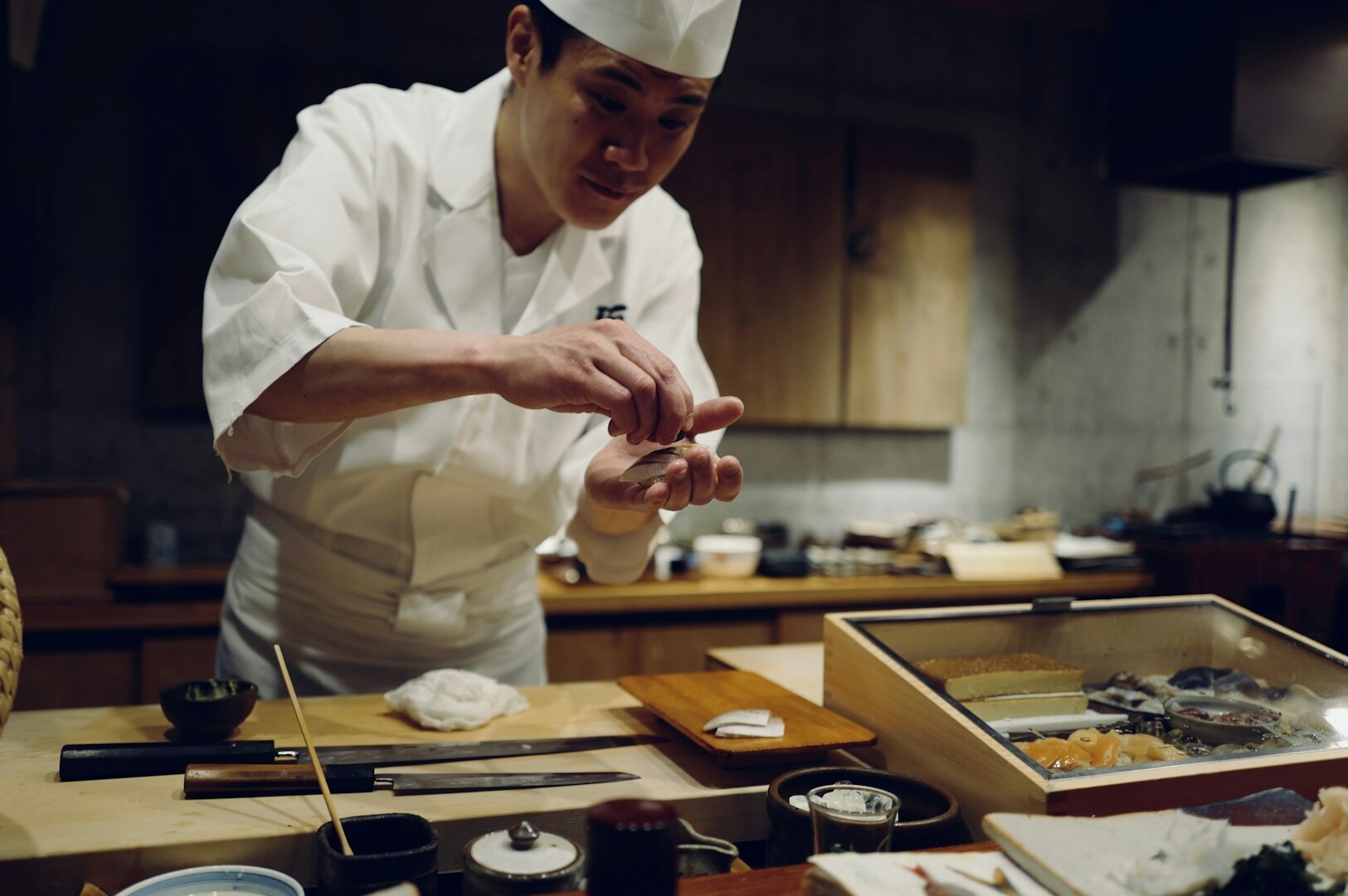
At its essence, omakase is about trust—the customer leaves the entire dining experience in the hands of the chef. This trust is rooted in a long-standing Japanese tradition where the chef’s expertise, creativity, and respect for ingredients guide the meal’s flow. Diners surrender control, embracing the unexpected and the chef’s inspired choices based on seasonal availability and quality. Guests can relax and leave the rest to the chef and staff, who handle every detail of the experience, ensuring a complete and stress-free meal.
While omakase originated in Japan, it has found enthusiastic audiences worldwide—from Tokyo to New York and Singapore. Renowned chefs like Suzuki Yuichiro have popularized the style internationally, emphasizing the balance between tradition and innovation. This global appreciation has helped omakase evolve while maintaining its core values of quality, respect, and artistry.
Dining Experience Inspired by the Michelin Guide and World-Class Standards
Omakase is often considered one of the finest formal dining experiences worldwide. The Michelin Guide has praised it as a spiritual companion to kaiseki, highlighting the artistry, seasonality, and precision involved.
In Singapore, many omakase restaurants have embraced this philosophy, offering menus that balance tradition with innovation. Diners can expect a carefully curated progression of dishes—starting with light sashimi, moving through hot dishes and tempura, and culminating with dessert and sake.
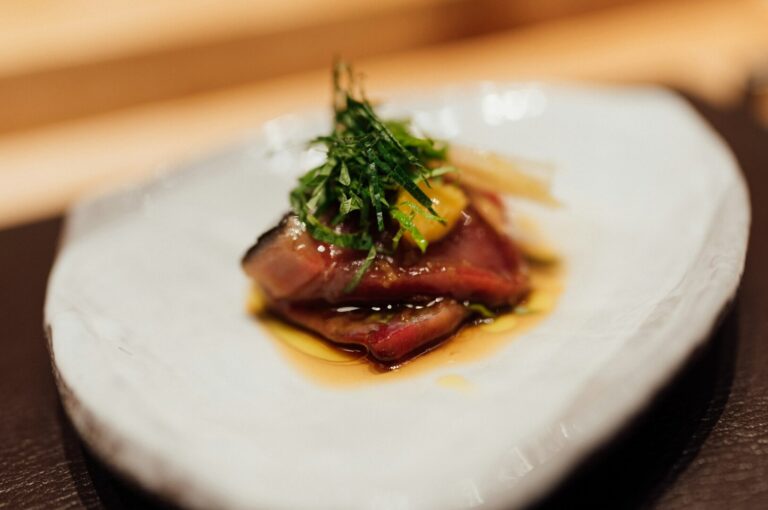
The chef’s skill and dedication to quality are evident in every plate served. Whether it’s the delicate texture of the sea urchin, the perfectly seasoned rice beneath a nigiri piece, or the harmonious balance of flavors in a vegetable side, every bite is a testament to respect for ingredients and craft.
Navigating Omakase Menus and Opening Hours
Omakase menus ranging widely in price and style, making the experience accessible to different diners. Many restaurants offer lunch omakase at reduced prices, providing an excellent introduction to this culinary art. Dinner omakase tends to be more elaborate, featuring more courses and premium ingredients.
Opening hours for omakase restaurants typically focus on dinner service, often from Tuesday to Saturday, with some offering lunch sessions as well. For example, Sushi Masa by Ki-setsu is closed on Mondays but welcomes guests Tuesday through Saturday for dinner, with private bookings available on Sundays.
Reservations are essential, as seating is limited to maintain an intimate atmosphere and ensure the highest quality of service.
Conclusion: Indulge in a Memorable Omakase Moment
The world of omakase invites you to discover the art of Japanese cuisine through an immersive dining experience. It is a moment to slow down, savor the finest ingredients, and appreciate the chef’s precision and passion.
In Singapore, the omakase scene continues to flourish, inspired by tradition yet open to innovation. Whether you’re indulging in fresh sashimi, savoring expertly prepared hot dishes, or enjoying a glass of sake at the sushi counter, the result is a truly memorable dining experience.
So, next time you find yourself at a Japanese restaurant in Singapore, take a seat at the table, trust the chef, and say the magic word: “Omakase.” Your palate—and your life—will thank you.
If this way of dining speaks to you, our complete omakase experience explores other counters in Singapore where the same sense of care and intention continues.