There’s something magical about settling into a quiet sushi counter. The pristine wood feels cool beneath your hands, and you watch the chef’s knife dance through beautiful fish with quiet grace. It’s a moment that never gets old, that gentle thrill that makes your heart skip. But imagine if I whispered about something even more wonderful? Let me share the enchanting world of kappo, a dining style like discovering a secret room in your favorite restaurant.
If sushi counters sometimes feel too hushed or formal, or if your soul craves the warmth of dishes that steam and bubble alongside perfect slices of fish, this will make you ridiculously happy. It’s like finding the cozy, animated cousin of omakase. One that invites you to lean in, laugh, and feel truly at home. Kappo cuisine wraps you in conversation and warmth, where the boundary between kitchen and table melts away.
A core delight of kappo dining is the seamless blend of culinary techniques that let the master chef craft an experience unlike any other. Using the freshest ingredients, the chef creates dishes that satisfy and delight the senses, making each moment at the kappo counter a true celebration of Japanese food culture.
Understanding Kappo Cuisine and Kappo Ryori
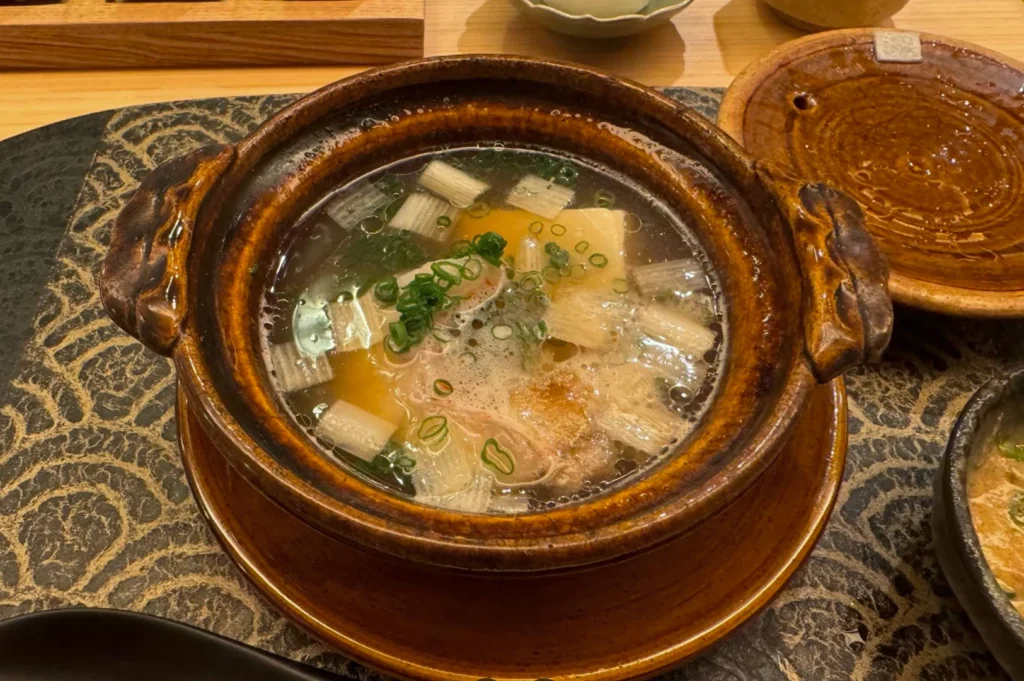
The word itself makes me smile every time. Kappo means simply “cut and cook.” How beautifully honest is that? It’s like the essence of cooking captured in two little words. When you sink into a seat for kappo ryori, you’re not watching someone who’s mastered just one beautiful thing—you’re witnessing a conductor orchestrating an entire symphony of techniques, often in an intimate kappo restaurant where the counter feels like a front-row seat to magic.
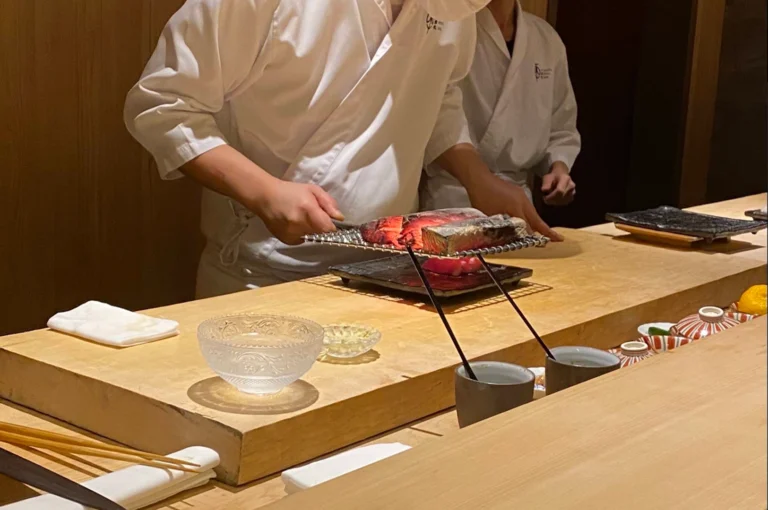
The chef here moves between raw fish and open flames with the same gentle confidence. One moment they’re slicing sashimi with that meditative precision you know and love, the next they’re tending to a bubbling pot that fills the air with the most incredible aromas. They cut, they simmer, they grill with such natural rhythm. The energy is infectious. It makes the whole room feel alive in a way that’s completely different from other Japanese restaurants and even the refined stillness of kaiseki.
How a Kappo Restaurant Differs from Sushi Counters and Japanese Restaurants
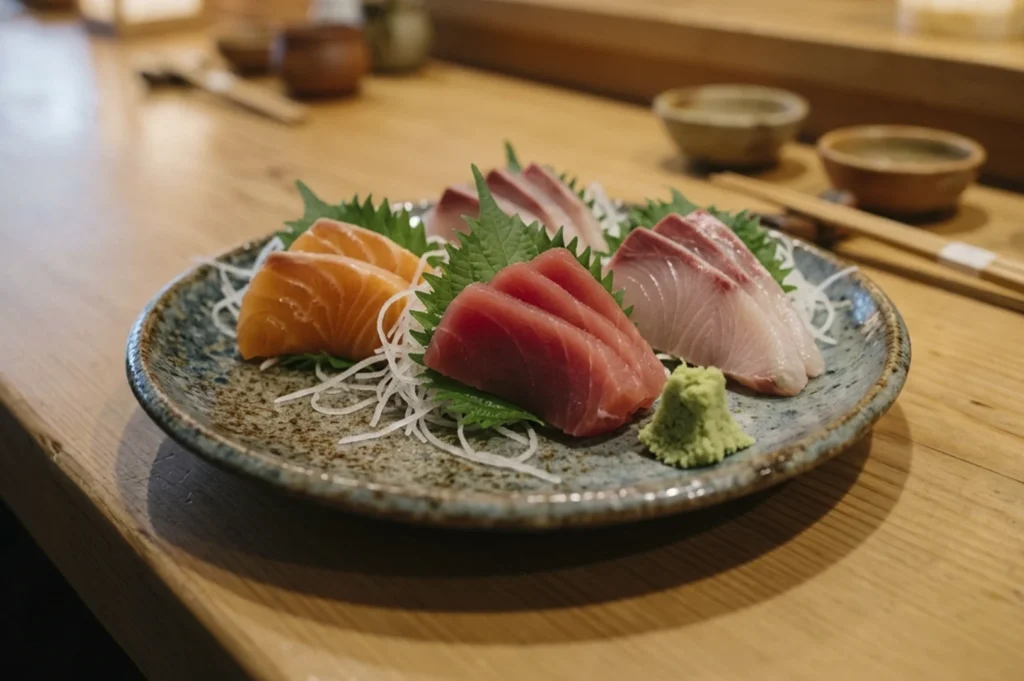
At a sushi omakase, everything flows along one gorgeous, narrow river. Each piece of nigiri a perfect stepping stone across pristine water. It’s exquisite, but it follows such a singular path. A kappo restaurant throws open all the windows and lets the whole garden in.
The difference hits you the moment you sit down. That gentle crackle from the charcoal grill becomes part of the conversation. Steam rises from a pot somewhere nearby, carrying scents that make your stomach flutter with anticipation. Because the chefs are painting with so many colors on their palette, every moment feels different from the last. You get that perfect bite of silky sashimi, but then just when you need it most, a warm, soul-hugging dish appears that makes you want to close your eyes and just breathe it in.
The Rhythmic Flow of Japanese Kappo Cuisine
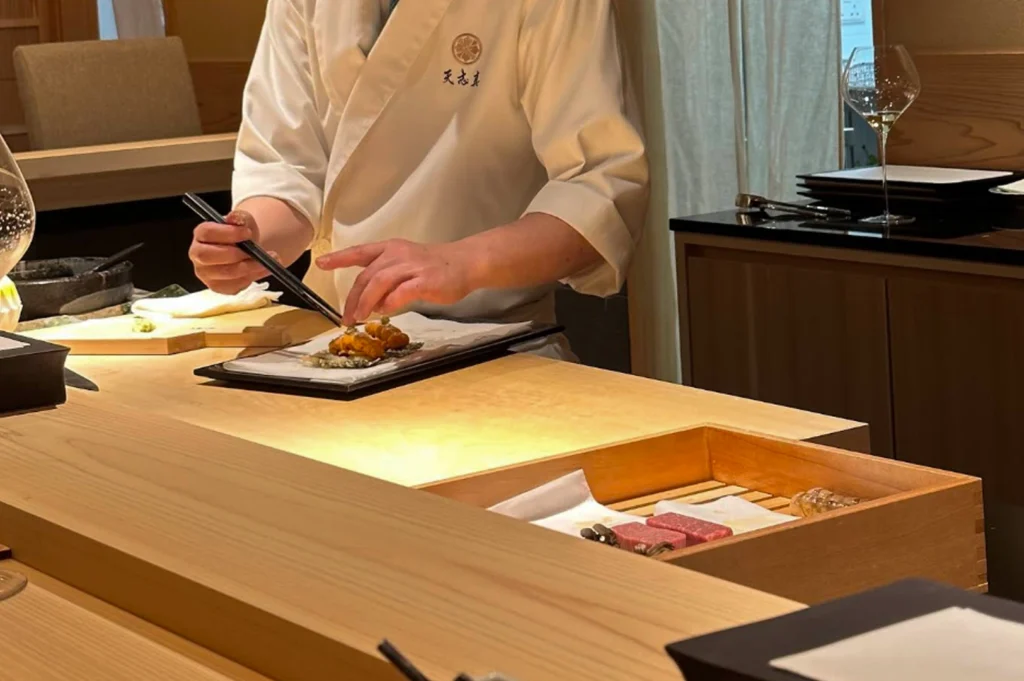
The way a Japanese kappo cuisine meal unfolds is like watching poetry in motion. Each dish arrives with perfect timing, like notes in a song you didn’t know you needed. Nothing feels rushed or random; it’s all thoughtfully choreographed yet natural.
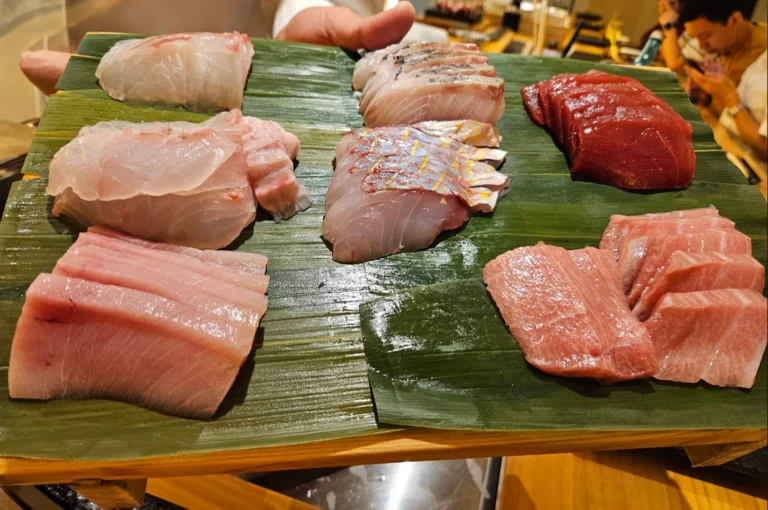
It starts with something small and bright to awaken your taste buds. Then a warm, fragrant soup follows, settling like a gentle embrace, preparing you for what’s next. Sashimi appears as a quiet meditation, seasonal treasures often flown in from Tokyo’s Toyosu Market, each slice speaking of the ocean and morning catch.
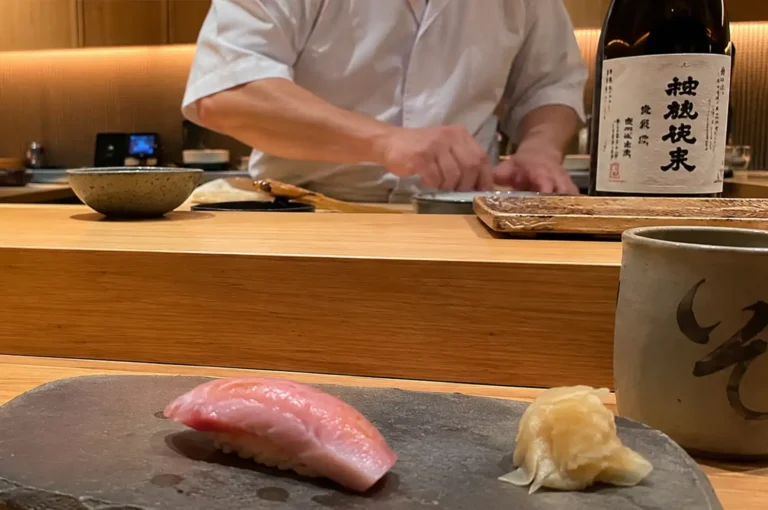
Then the magic truly begins. Just as your palate sings from the cool, clean fish, warm dishes arrive. Maybe fish with skin crisped like autumn leaves or tender vegetables tasting like pure comfort. The chef might serve extraordinary sushi before a rich, hearty dish perhaps wagyu melting before you realize you’re chewing. Everything ends with comforting rice and a sweet finish that makes you smile effortlessly.
The Intimacy of Kappo in Japanese Cuisine
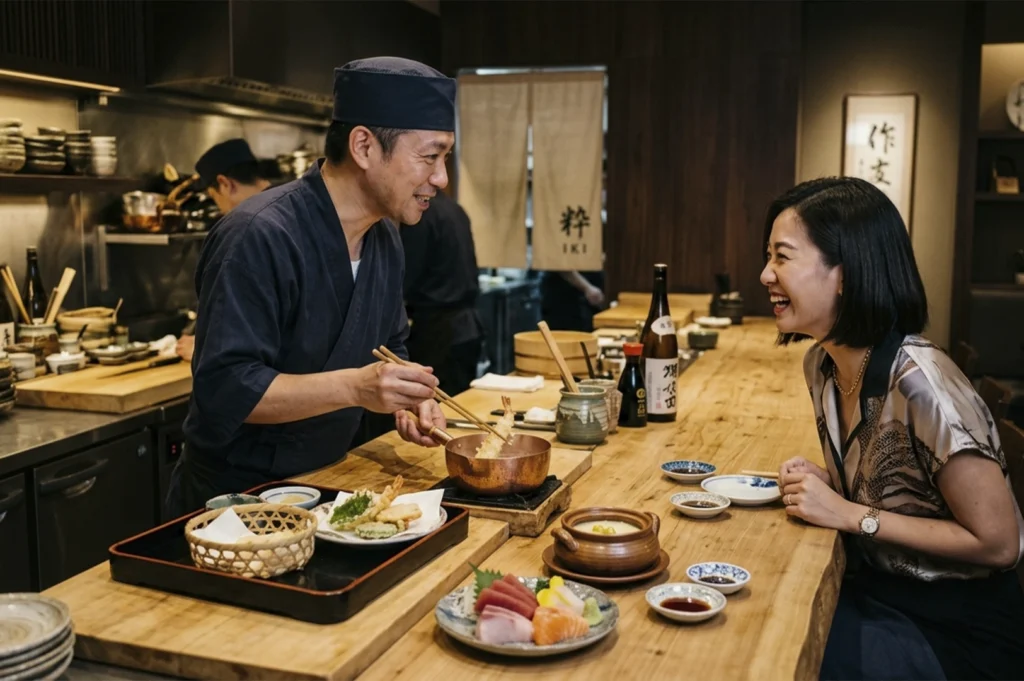
What makes my heart sing about this experience is how close you feel to everything happening. So many beautiful restaurants keep their kitchens hidden away, you taste the magic but miss the spell being cast. Kappo invites you right into the circle, makes you part of the rhythm.
The counter isn’t just where you sit; it becomes this shared space where stories unfold. The chefs work mere inches away in their open kitchen, and they genuinely want you to be part of what they’re creating. They notice when your eyes light up watching them work the grill. They’ll catch your gaze when they’re carefully steaming a delicate custard, maybe even explain the little secrets that make it so perfect. Laughter comes easily here. Questions feel natural. It’s warm and alive and completely, wonderfully human.
One of the highlights of dining at Kappo Shunsui is the thoughtfully curated beverage selection that complements each dish perfectly. From premium sake to carefully chosen Japanese whiskies and refreshing non-alcoholic options, the beverages enhance the kappo dining experience by balancing flavors and elevating every bite. This attention to pairing ensures that your meal is not only a feast for the palate but also a harmonious sensory journey.
Why the Kappo Style Tells a Better Story
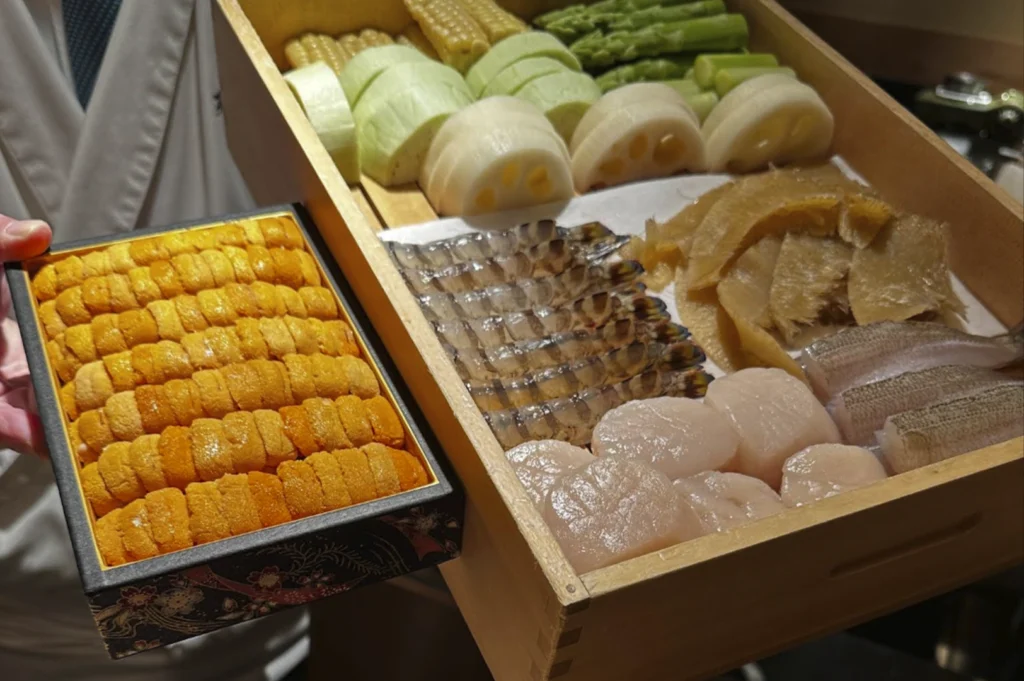
With so many techniques at their fingertips, kappo chefs can tell the most beautiful stories about each season. Japanese cooking breathes with nature’s rhythm. It’s not just about finding the best ingredients, but finding the ones that belong to this exact moment in time.
When a chef can grill, steam, fry, or serve something raw, they can honor each seasonal gift in precisely the way it wants to be enjoyed. Spring arrives through tender shoots barely kissed by heat. Summer sings in cool preparations that refresh and energize. Autumn appears in rich, warming dishes that comfort your soul. Winter wraps you in hearty, nourishing flavors that make you feel utterly content. Each bite connects you to the turning of the world, translated into a sequence of dishes that fills you with such quiet joy.
Seeing it in Practice: A Look at Kappo Shunsui
To see how all this magic comes together, let me tell you about a special place right here in Singapore. Tucked away at 17 Hongkong Street, Kappo Shunsui feels like stumbling upon a secret garden of flavors. Under the gentle guidance of Chef Kazu Oyama and the thoughtful Shunsui Group, this kappo restaurant has captured the heart of the Michelin Guide Singapore for seven consecutive years and the moment you step inside, you understand why.
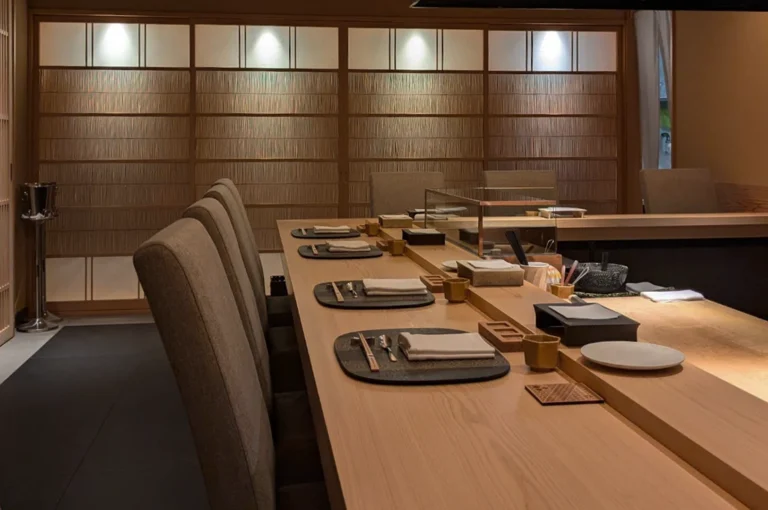
The space itself seems designed for connection. Counter seating faces the open kitchen where every gesture, every careful preparation becomes part of your evening’s entertainment. Here, your meal might flow from pristine sashimi and creamy uni to perfectly grilled unagi and crispy tempura, each dish paired with sake that makes everything taste even more alive.
The menu dances with the seasons, showcasing ingredients flown in fresh from Japan, ensuring each visit feels like discovering something completely new. Whether you’re there for a leisurely lunch or an evening celebration, reservations are your golden key to this intimate world.
The Essence of Kappo Shunsui: A Culinary Journey Rooted in Tradition and Passion
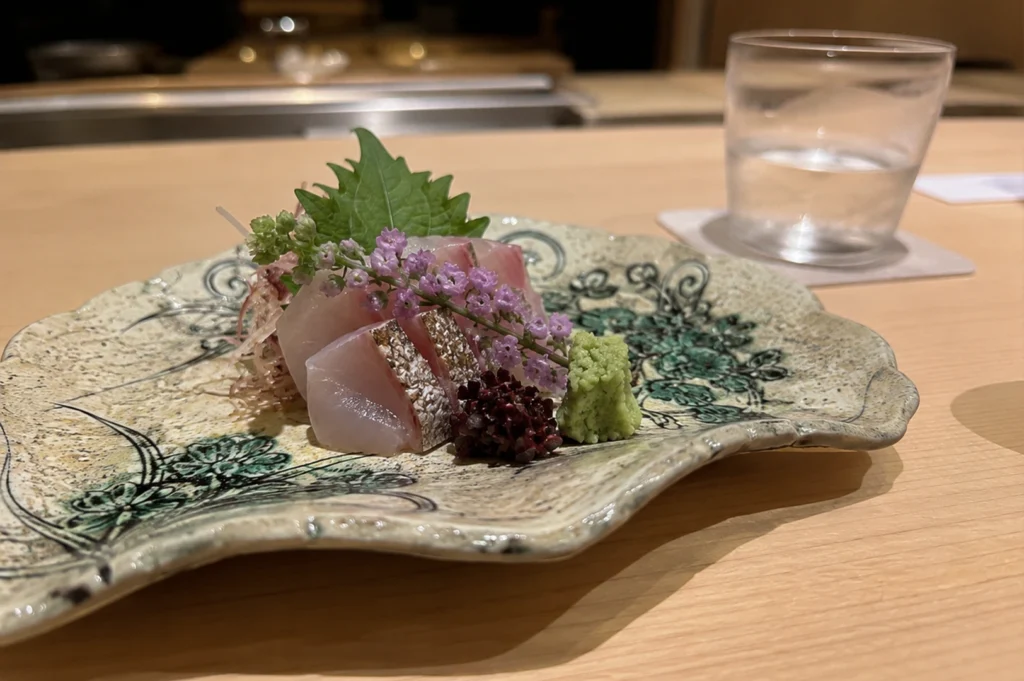
There’s something deeply moving about watching someone pour their heart into their craft, and Kappo Shunsui embodies this dedication in every dish. Chef Kazu Oyama brings decades of passion and respect for tradition to each plate, treating every ingredient like a treasure. The menu is a love letter to Japanese culinary art, delicate sashimi that melts on your tongue, seasonal fish tasting of the ocean’s best moments, and cooked dishes that warm you inside.
Each meal unfolds like a gentle revelation. Seasonal appetizers arrive with care, followed by premium sushi showcasing incredible ingredients flown directly from Japan. The menu celebrates the essence of kappo. The balance between raw and cooked, cool and warm, simple and complex. From the subtle salt that makes flavors sing to the perfect shochu pairing that completes the experience, every detail is crafted with love.
Whether on a magical Saturday evening or any night when you need something special, the intimate setting creates a bubble where chef and diner share something remarkable. This isn’t just dinner. It’s a celebration of Japanese culinary tradition, served with passion you can taste in every bite.
A Standard Celebrated by the Michelin Guide
It makes perfect sense that this style of dining wins hearts around the world. The delicate balance of techniques and deep reverence for seasonal ingredients naturally draws the attention of the Michelin Guide. When a restaurant earns this recognition, it speaks to the incredible skill needed to master such a symphony of cooking styles all at once.
Choosing kappo means choosing something fuller, warmer, and beautifully varied. A culinary adventure that feeds your soul as much as your stomach. It’s watching a chef express their creativity across flavors hot and cold, textures smooth and crispy, moments quiet and lively. The next time you want to give yourself something truly special, skip the familiar sushi counter. Pull up a seat at a kappo counter, let the sounds of sizzling and simmering become your soundtrack, and trust the chef to take you somewhere wonderful. You’ll leave with your heart as full as your belly, I promise. For more omakase style counter dining in Singapore, visit bestomakase.com.sg.
Conclusion: Embrace the Kappo Shunsui Experience
Kappo Shunsui offers more than just a meal. It invites you to immerse yourself in an elevated omakase experience that celebrates the finest ingredients and the rich spirit of Japanese culinary tradition. From the warm and inviting interior to the carefully curated full menu, every detail is designed to indulge your senses and create unforgettable memories. Whether you are a seasoned omakase enthusiast or new to kappo dining, this Osaka-born style, brought to life by Chef Kazu Oyama’s remarkable career and passion, promises a journey of flavors that honor both tradition and innovation. Treat yourself to this featured gem in Singapore’s dining scene and discover why Kappo Shunsui continues to captivate guests with its unique blend of intimacy, craftsmanship, and heartfelt hospitality.
For those eager to explore exceptional flavors without breaking the bank, discovering cheap omakase options can unlock delightful culinary adventures.