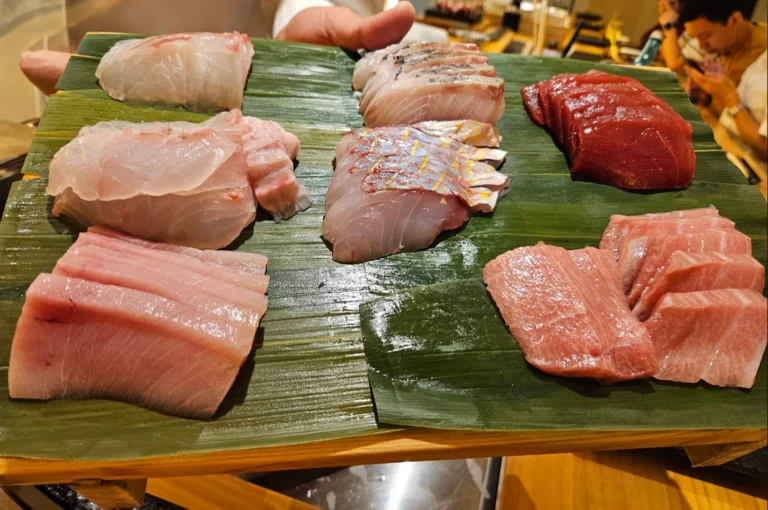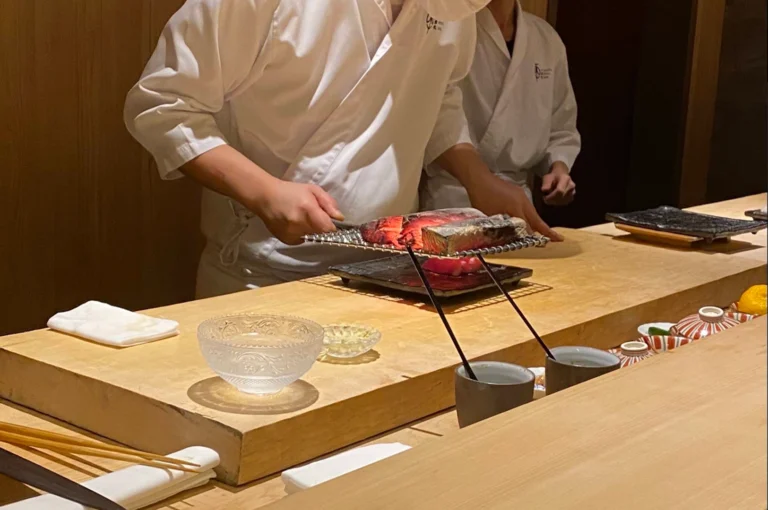
One of the quiet pleasures of an omakase meal is knowing that you may not eat the same thing twice. Return to the same counter months later and the fish, appetisers, cooked dishes, and even dessert may have changed.
That is not simply a way to keep the menu interesting. In Japanese cuisine, seasonality is part of how food is understood and enjoyed. The idea of shun, eating an ingredient when it is at its seasonal peak, helps explain why an omakase menu rarely stays fixed throughout the year.
What Does Shun Mean in Japanese Food/Cuisine?
Shun refers to the period when an ingredient is considered to be at its best. For fish, this might mean the right amount of fat or the ideal texture. For vegetables and fruit, it can mean peak sweetness, aroma, or freshness. This concept is essential in traditional Japanese restaurants and kaiseki dining, celebrated for showcasing a large variety of unique flavors that reflect the seasons.
Japanese food also recognises the beginning and end of a season through concepts such as hashiri and nagori. An ingredient can therefore tell a small story about where you are in the Japanese food calendar.
For diners who love Japanese food, this is part of what makes seasonal dining so enjoyable. The dish is not only about taste; it reflects a particular moment in life and the rhythm of Japan‘s culinary year.
Why Omakase Menus Change With the Seasons
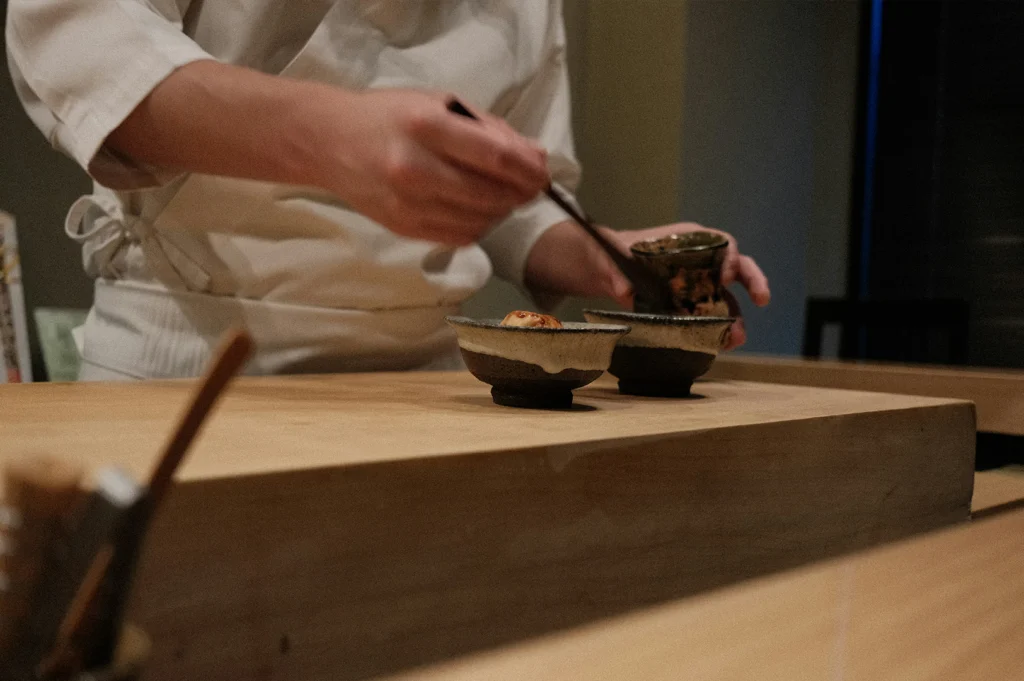
Omakase gives the chef freedom to build a meal around what is available and tasting its best. Instead of relying on a completely fixed menu, the chef can adjust the progression according to the day’s ingredients.
Fish can change in fat content, texture, flavour, and availability throughout the year. The same applies to vegetables, mushrooms, fruit, shellfish, and other ingredients used in Japanese cuisine. For example, foie gras might appear in some famous restaurants in Osaka or Kyoto, while pickled plum adds a distinctive touch to certain dishes.
This means a chef may change a dish because:
- a particular fish has reached its peak;
- a new seasonal ingredient has arrived;
- another ingredient is no longer at its best;
- a different preparation brings out better texture or flavour;
- the chef wants the progression to remain balanced.
That is why seasonal omakase is not simply about adding a few special ingredients. Seasonality can influence the shape of the entire meal, from lunch to dinner.
Sushi Rice and the Fish Have to Work Together
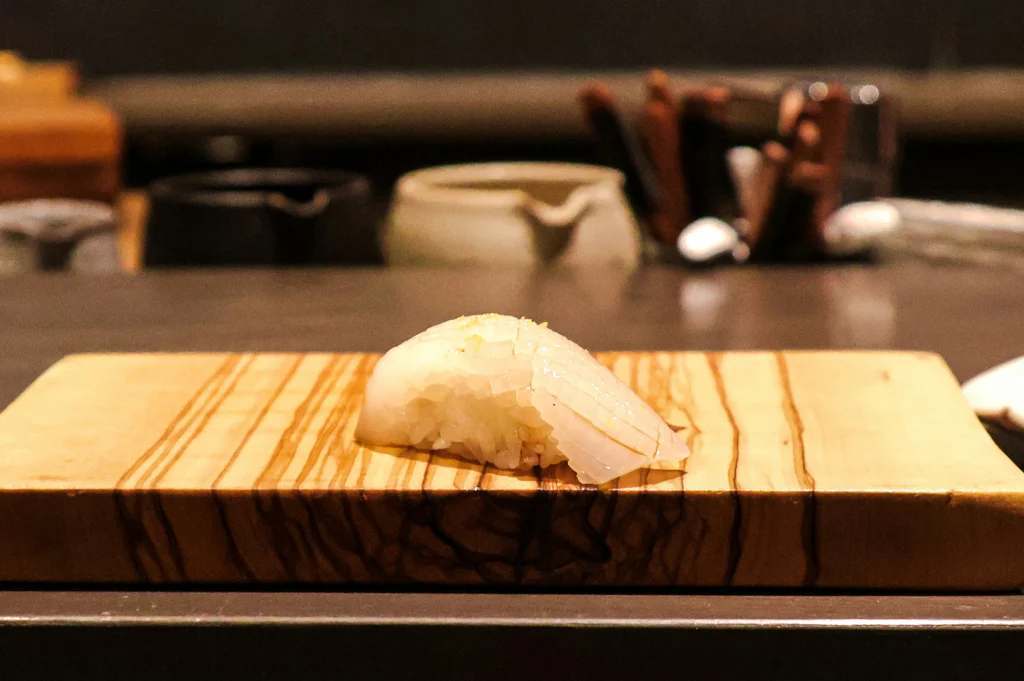
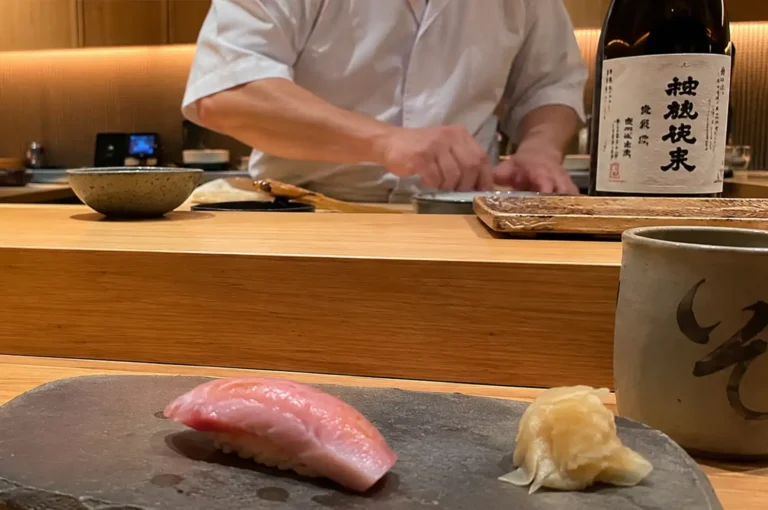
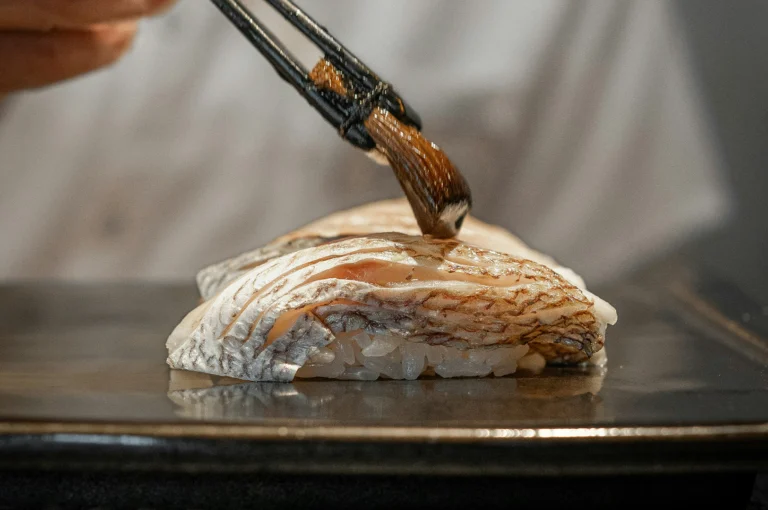
Seasonality is easiest to notice in the fish, but it can affect the sushi itself. Take sushi rice. Its temperature, texture, seasoning, and acidity all influence how a piece of fish tastes. A richer fish may need rice with enough vinegar to create balance, while a delicate piece may call for a gentler relationship between the two.
This is why nigiri sushi can feel different throughout the year even when the technique remains consistent. The fish changes, and the chef adjusts the preparation to suit it.
The same principle extends beyond sushi. Sashimi, tempura (which is fried), grilled dishes, soups and other courses can all change depending on what the season offers.
How the Four Seasons Shape an Omakase Menu
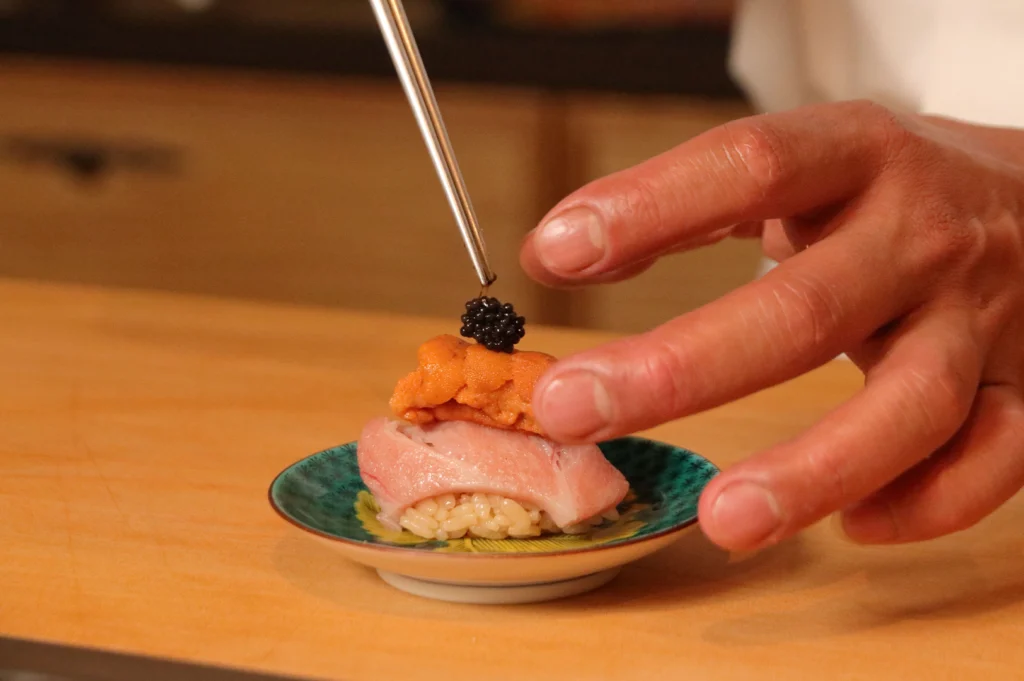
You do not need to memorise every seasonal ingredient to understand the idea. Think of the year as giving the chef a changing palette.
- Spring often brings young vegetables, delicate greens and ingredients associated with renewal. Cherry blossoms may also influence the visual presentation of Japanese food, even when they are not used directly as an ingredient.
- Summer can bring lighter seafood and refreshing vegetables, while ingredients such as eel and sweetfish are associated with the warmer months.
- Autumn is a season of abundance, with mushrooms, chestnuts, sweet potatoes, persimmons and seasonal fish appearing across Japanese menus.
- Then comes winter, when richer seafood such as yellowtail, crab and oysters can take centre stage alongside warming soups and cooked dishes.
The point is not that every chef will serve the same ingredients at the same time. Rather, the seasons give chefs different ingredients, textures, aromas and flavours to work with.
Why the Same Omakase Can Taste Different on Another Visit
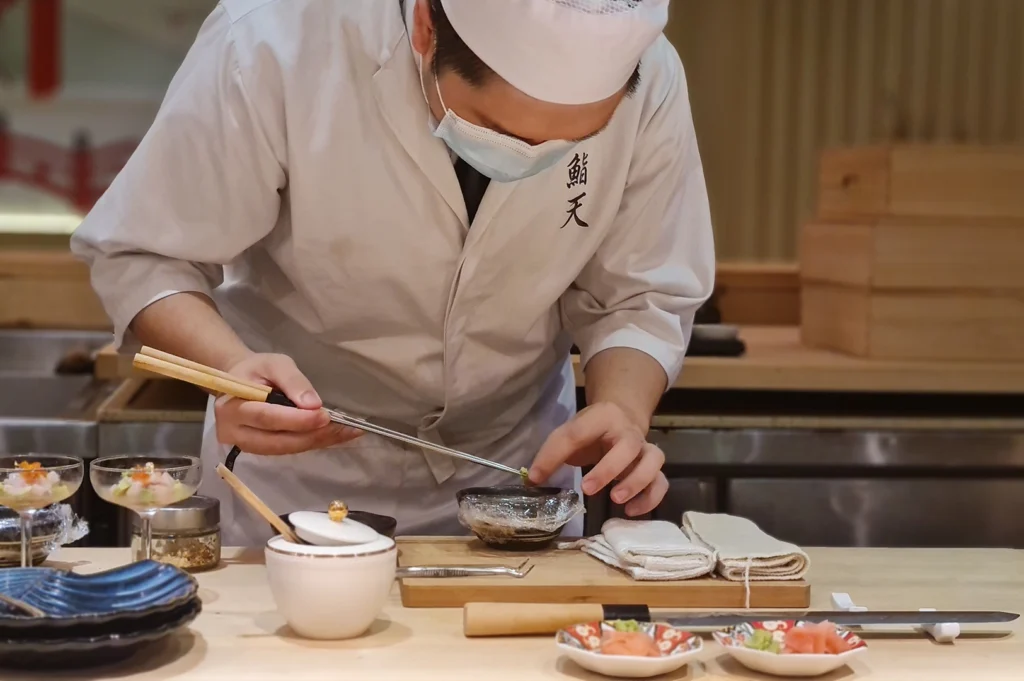
Imagine returning to the same sushi counter six months later. The chef may still serve the same style of meal, but the experience can feel completely different. The fish might have a different level of richness. A familiar appetiser could be replaced by a seasonal dish. A cooked course might become more substantial, while dessert could feature a different fruit.
This is part of the appeal of omakase. A chef is not simply reproducing a menu; they are responding to what is available. Michelin’s coverage of Japanese dining in Singapore similarly notes that seasonal omakase menus can change according to the ingredients available at different times of the year.
So if a dish you loved on your last visit has disappeared, it does not necessarily mean something has been lost. It may simply have had its moment.
Does Seasonal Mean More Expensive?
Not automatically. Seasonality can affect price when an ingredient is scarce or particularly sought after, but it is only one factor. Sourcing, preparation, chef expertise, menu length, and the overall dining format also contribute to the final price.
A seasonal vegetable can sit comfortably beside a premium piece of fish. Both may be important to the progression for completely different reasons. For diners, the more useful question is whether the ingredient is being served when it is genuinely at its best, rather than whether it carries a high price.
If you’re curious to experience seasonal omakase for yourself without stretching the budget too far, our guide to Cheap Omakase Singapore: Reliable Picks for a Full Omakase Experience highlights more approachable ways to enjoy the format.
What Should Diners Look For?
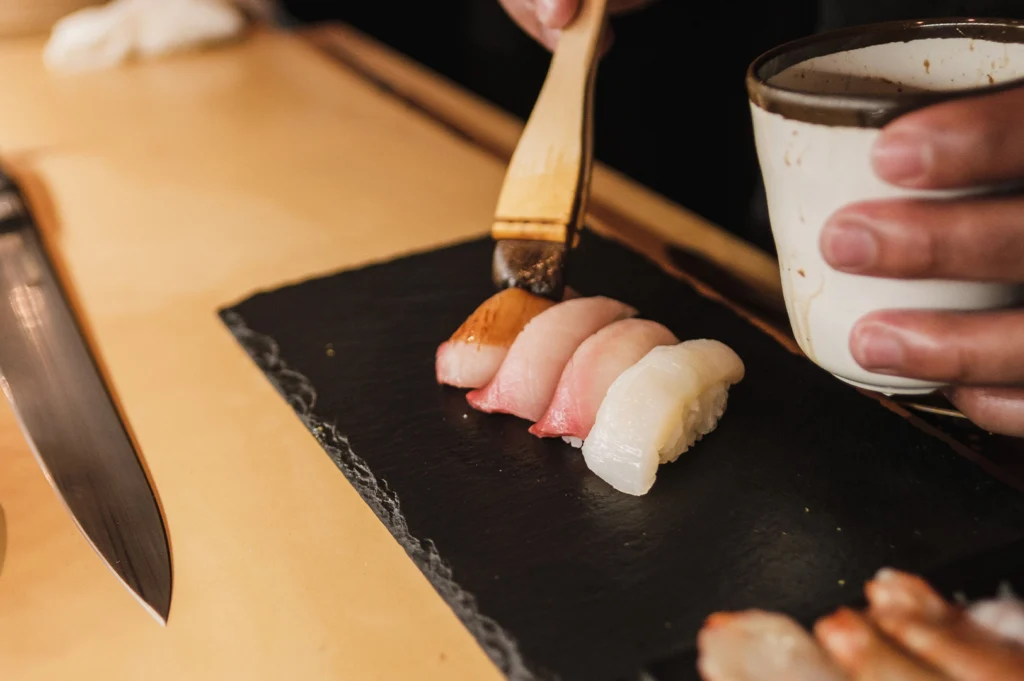
You do not need extensive knowledge of Japanese cuisine to appreciate seasonality. A little curiosity is enough.
When you’re at the counter, try to notice:
- What the chef says is seasonal.
- How the texture of the fish changes.
- Whether richer or lighter dishes appear as the meal progresses.
- How sushi rice interacts with different types of fish.
- Whether cooked dishes reflect the time of year.
You can also simply ask. Most chefs, including chef Naoki Tsujioka and chef Keizo Iwasaki, are happy to explain why a particular dish is being served now.
Why Seasonality Is Part of the Omakase Experience
The beauty of seasonal omakase is that the meal has a sense of time. Spring, summer, autumn and winter each give the chef different ingredients and different ways to create flavour. That is why an omakase experience can feel alive. The chef is responding to the fish, the harvest, the weather and the moment rather than following one unchanging formula.
For anyone exploring omakase Singapore, understanding shun makes the experience a little more meaningful. Instead of wondering whether your favourite dish will appear again, you can sit down curious about what the season has brought to the table.
Sometimes, the most memorable part of an omakase meal is not the dish you expected. It is the one that could only have been served right then.